
Shopping Cart
 English
 Français
Are you going to drive this winter? Here are some tips for you.
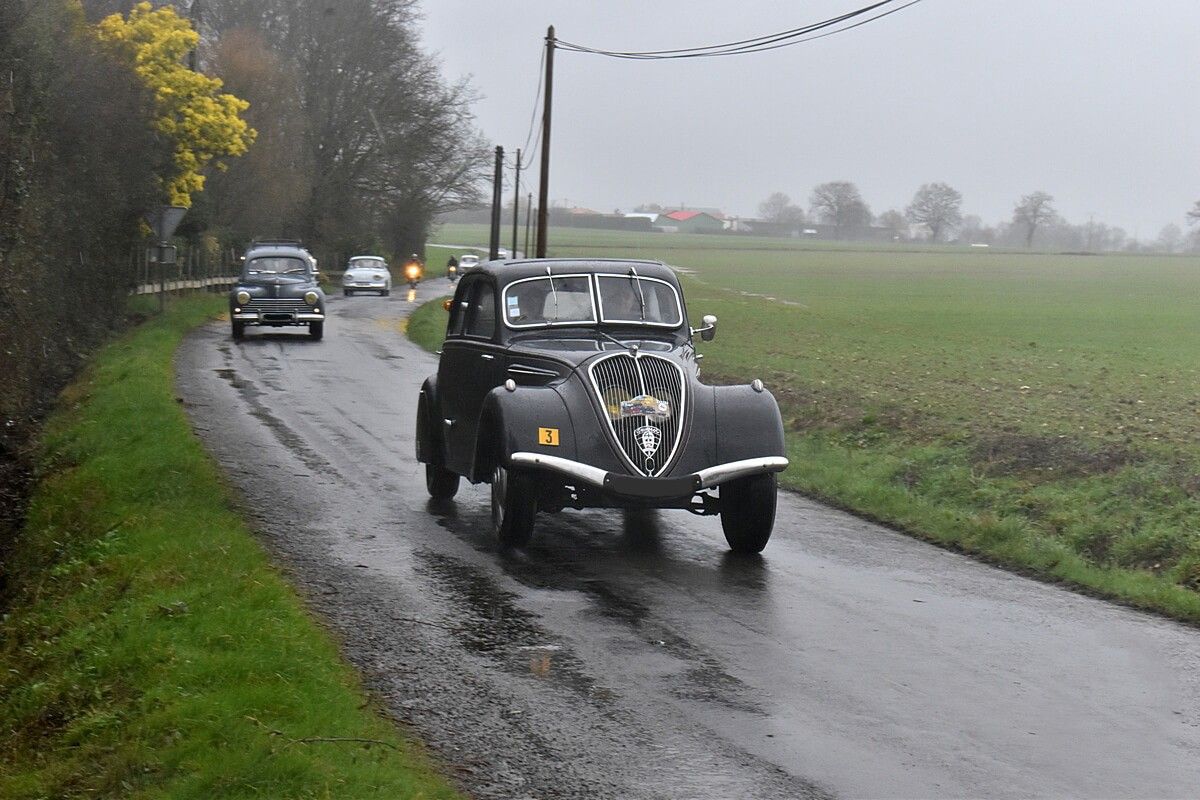
The sun has decided to take a vacation. And with events being canceled one after another, opportunities to take out our classic cars are becoming increasingly rare. Yes, it's simply that winter is approaching. And unlike your everyday car, your classic car might require some attention before storing it away... or using it in particular conditions.
An old one rolls in any weather. And the weather and road conditions are not a concern for you. Nevertheless, take some precautions.

Remember to wash it !
Yes, it's not very pleasant to wash your old car in the winter. It's so much better in the summer wearing a t-shirt... Except that in the summer it's to make it look nice, in the winter that's not the only issue. The main enemy of the old car is corrosion. And even if you have treated the car with suitable products, Winter will be a perfect season for rust spots to form. Because in addition to the ambient humidity, roads are often salted (more often than you might think). So, make sure not to let a layer of salt attack your car's bodywork and wash the car after a long drive, especially if snow has arrived.
Start often
It is not the oil lobby asking for it, but rather common sense. The ambient temperature will particularly affect the battery and its charge. If you don't have a battery charger (which we will discuss further below), you will need to keep the charge as high as possible. Running your car is a good idea. However, there's nothing better than going for a drive with it.
Another advantage of regular starting: without a check valve, your fuel system will be "precharged" and you will start faster... and put less strain on the battery. A virtuous circle, in short.
Watch out for your tires !
The condition of your tires is important ALL THE TIME. And if you haven't yet realized that their condition is closer to soap than to tape, winter will remind you. Lower temperatures don't help their performance... and neither will the moisture or ice on the roads. In short, with older vehicles, we need to be even more careful in winter.
You are preparing for the wintering, do it well.
You may be part of that large group of collectors who fear all the pitfalls mentioned earlier. And so you prefer to keep your vintage item safe for the winter. It's a good idea to avoid damaging it, but only if you do it really well.
Beware of the tires (we repeat ourselves)
How to deteriorate your tires in your garage? Super simple: leave them under-inflated and stationary. They will gradually sag, lose their elasticity, and develop flat spots that you won't be able to fix. Easy, right !
So, what are the solutions? First, you overinflate your tires (but not too much) before parking the car. Then, either you remember to move it about twenty centimeters regularly, or you place round chocks under your tires.
Take care of your battery
Just because you won't be using it doesn't mean the battery will remain in top condition. So, you have several solutions to take care of your battery. The first is simply to remove it from your car or at least disconnect it. The second is to connect it to a charger who will ensure that the charge is maintained. That way, on the day of the restart, there will be no cold sweats, it will start up again !
Release the handbrake
Like any mechanical component that stays in place for too long, brakes can seize. This is especially true if a certain amount of force is applied to them, and the handbrake is a perfect example. If your car is parked on a flat surface, you don't really have a reason to leave the handbrake on... except for habit. At worst, engage a gear and place chocks under the wheels, and it won't move (otherwise you'll need the garage floor!).
Store it in a dry place.
It would be silly to store a car only for it to get wet anyway! So storage must be done in a dry place. To maximize your chances, consider using a cover to prevent accidental scratches. Also, plan for a suitable and breathable cover, as this will prevent water from condensing and creating rust spots.
As long as we're talking about condensation, try to choose a place where there will be little variation in temperature, as this will make things easier.
Beware of the tank
Two options to prevent the deterioration of the reservoir:
- Either you drain it, in which case you will use a suitable anti-corrosion product that will prevent the air present from condensing (especially with temperature variations).
- Either fill it up completely, always to avoid condensation. But in this case, do it with high-quality gasoline that will be less likely to deteriorate and form deposits.
There you go, you should be all set.
Do you have any additional advice? Let us know !
Published on
27-10-2020