Shopping Cart
 English
 Français
The story of a logo: the Peugeot lion
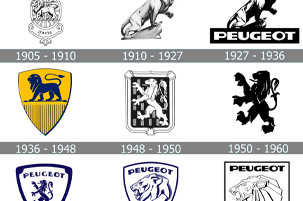
The logo may be the most important element of a car. This simple small piece conveys an entire image that manufacturers strive to shape. From the low-cost brand to the prestigious brand, each logo has its own story to tell and provides a visual identity to every car that bears it.
If I talk to you about four legs, prominent teeth, and a mane, what do you think of? No, it's not your favorite cat but the lion, an inseparable emblem of the Peugeot. Let's go back in history ofa French industrial saga and its iconic logo.
The family history of Peugeot
The history of Peugeot begins while Napoleon I was still Emperor of the French. While he was having fun playing with toy soldiers to expand his empire, a family watermill located in Doubs, in Hérimoncourt, was transformed into a steel mill, marking the creation, in 1810 of the adventure Peugeot. Initially specializing in cold rolling to produce springs for the watchmaking industry, the brothers quickly expanded their range of products (tools, umbrella ribs, corset frames...).
At that moment, the lion is still in the savanna and it was not until 1847 that it made its first appearance. Although the lion is the emblem of Franche-Comté and the city of Sochaux, the one from Peugeot does not have the same meaning. In this mid-century period, the company is thriving, and the saws it manufactures are renowned worldwide. At that time, the citizens are still mostly illiterate, and the brothers Peugeot wish to associate with this success a logo recognizable by everyone. They commission the goldsmith Justin Blazer, who will quickly adopt the king of animals to symbolize the qualities of saws Peugeot.
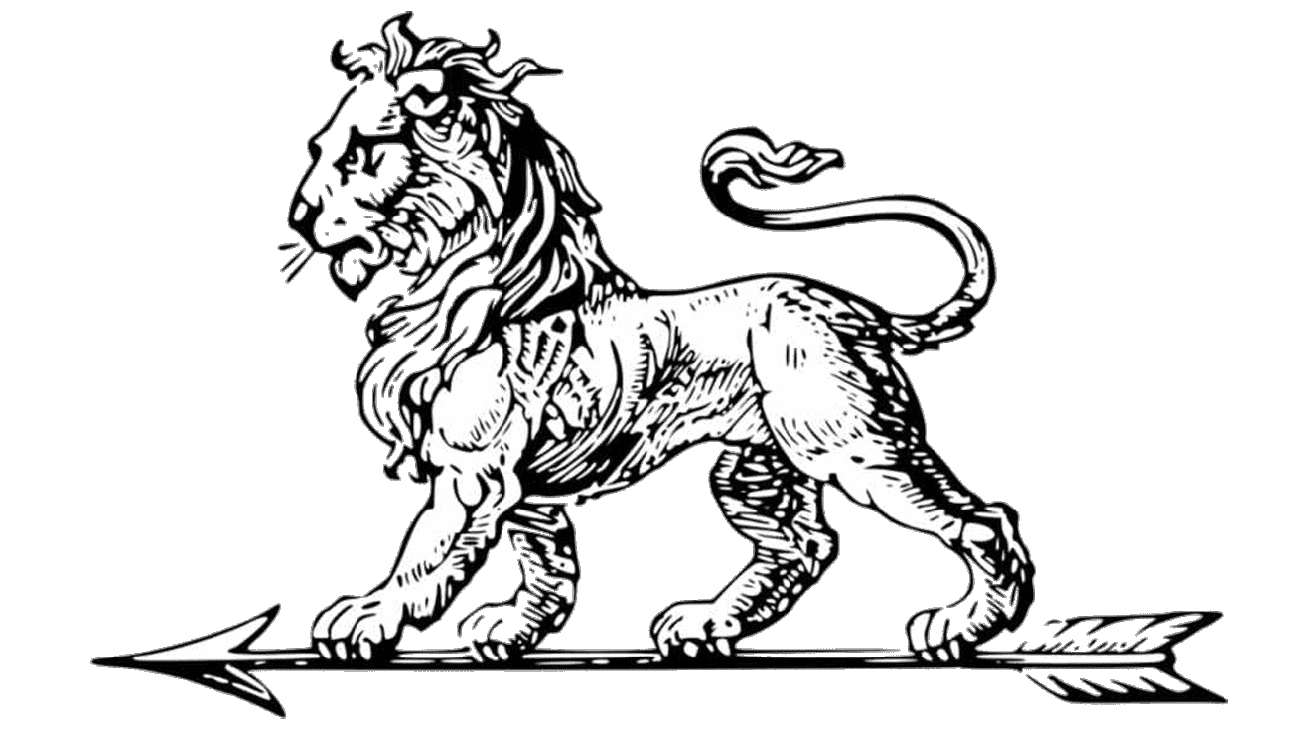
The strength of the teeth (like that of the lion), the flexibility of the blade (like that of the lion pouncing on its prey), and the speed of the cut (like that of the lion leaping onto the arrow). A symbol was born, but it was not until 1858 that it was registered at the Conservatory of Arts and Crafts, becoming a trademark.
The logo accompanied the development of activities with the manufacture of bicycles in 1886, motorcycles in 1899, and cars in 1891. Nevertheless, it was necessary to wait until 1905 to see the lion adorning the grille of a car Peugeot.
The lion in all its states
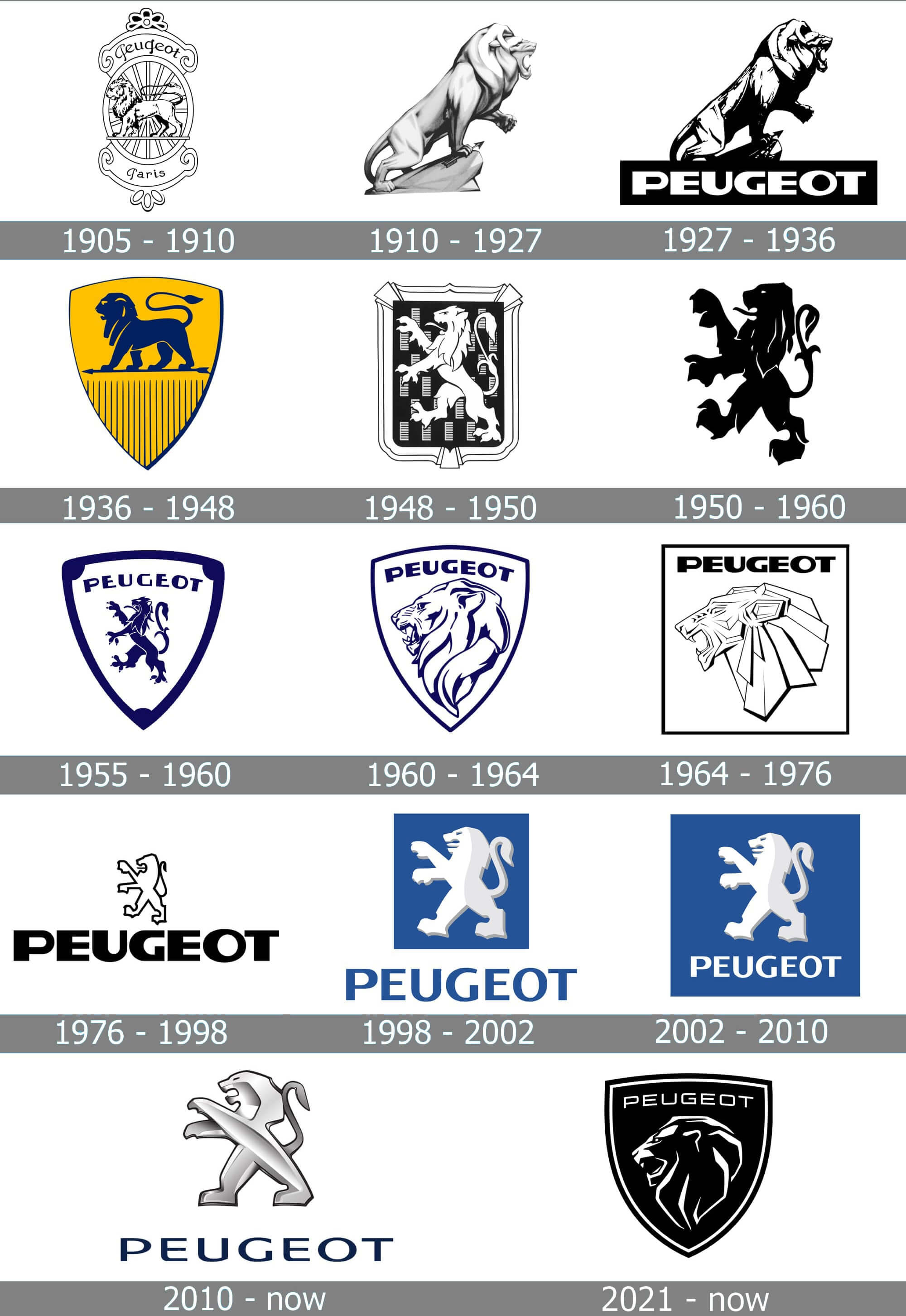
At the end of the Great War, the logo Peugeot evolves for the first time to become a standalone sculpture. At the time, "the lettering is applied Peugeot "on the grille or just above it," explains Eric Barthelat from the Museum of Adventure Peugeot "and 'we complete the whole with a sculpted radiator cap.' This is the only time the lion will take such a form, and different sculptors bring their visions, like René Baudichon or Maurice-Roger Marx."


For a few years, the evolution of the brand's official logo and the emblem placed on the cars followed a different path. With the appearance of the 300 series in the 1930s, the lion transformed by retaining only a Stylized head with four teeth which adorns the grilles of all the production.
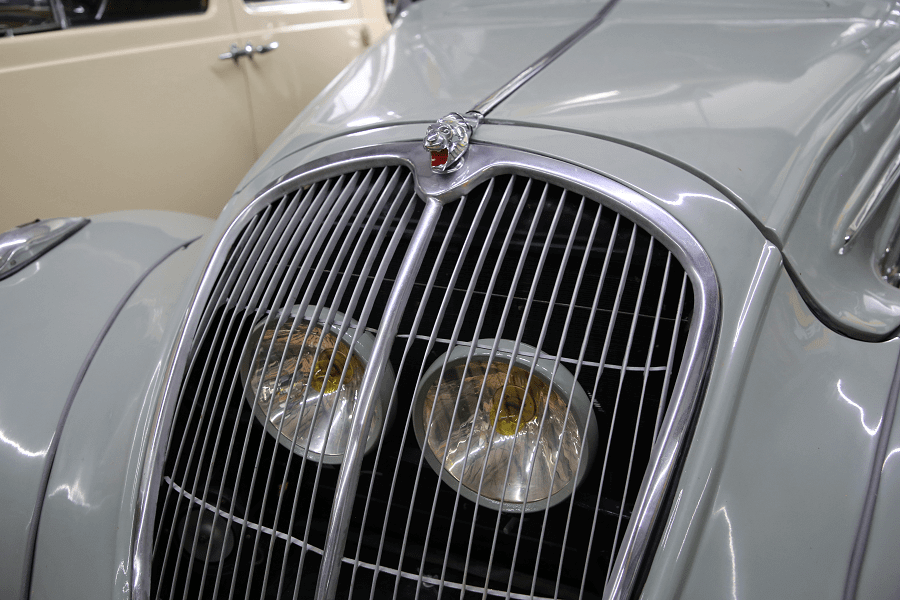
At the end of the Second World War, the Peugeot 203, , where you can find many pieces on our website, it is the only car in the catalog and marks a stylistic evolution by adopting a monocoque for the first time. The lines are inspired by American productions and abandon the large grilles. We still find the wildcat head that now sits on the hood. Below, a new logo appears featuring a lion that adopts the traits of the coat of arms of Franche-Comté to signify its connection to the region.
In September 1958, a safety law banned any protruding objects at the front of cars, as they were considered dangerous in the event of a collision with a pedestrian or cyclist. This was important to curb the so-called heroes who boasted about surviving an attack by a feline in Europe. Peugeot is forced to remove its famous mascot and only the emblem that appeared in 1955 with the 403 remains. The lion migrates for the first time into a shield. If Columbo stops by, know, dear inspector, that we have many references available for your car if it breaks down.

With the arrival of the 504 (read Peugeot 504: the commoner in an evening gown), Peugeot plays big and at the same time introduces yet another evolution of its logo and emblem. The crest disappears to make way for the golden then silver lion. We don't have an emblem in stock for your beautiful 504 yet, but you can find what you’re looking for with our already referenced parts.

The year 1975 marks yet another evolution, suggesting that the bankruptcy the brand risked was due to its investments in logos. This time, the lion becomes mysterious, revealing only its outlines. The "wire lion", as it is called, will remain in this version until 1998, when it becomes full again with a modernized and embossed form.
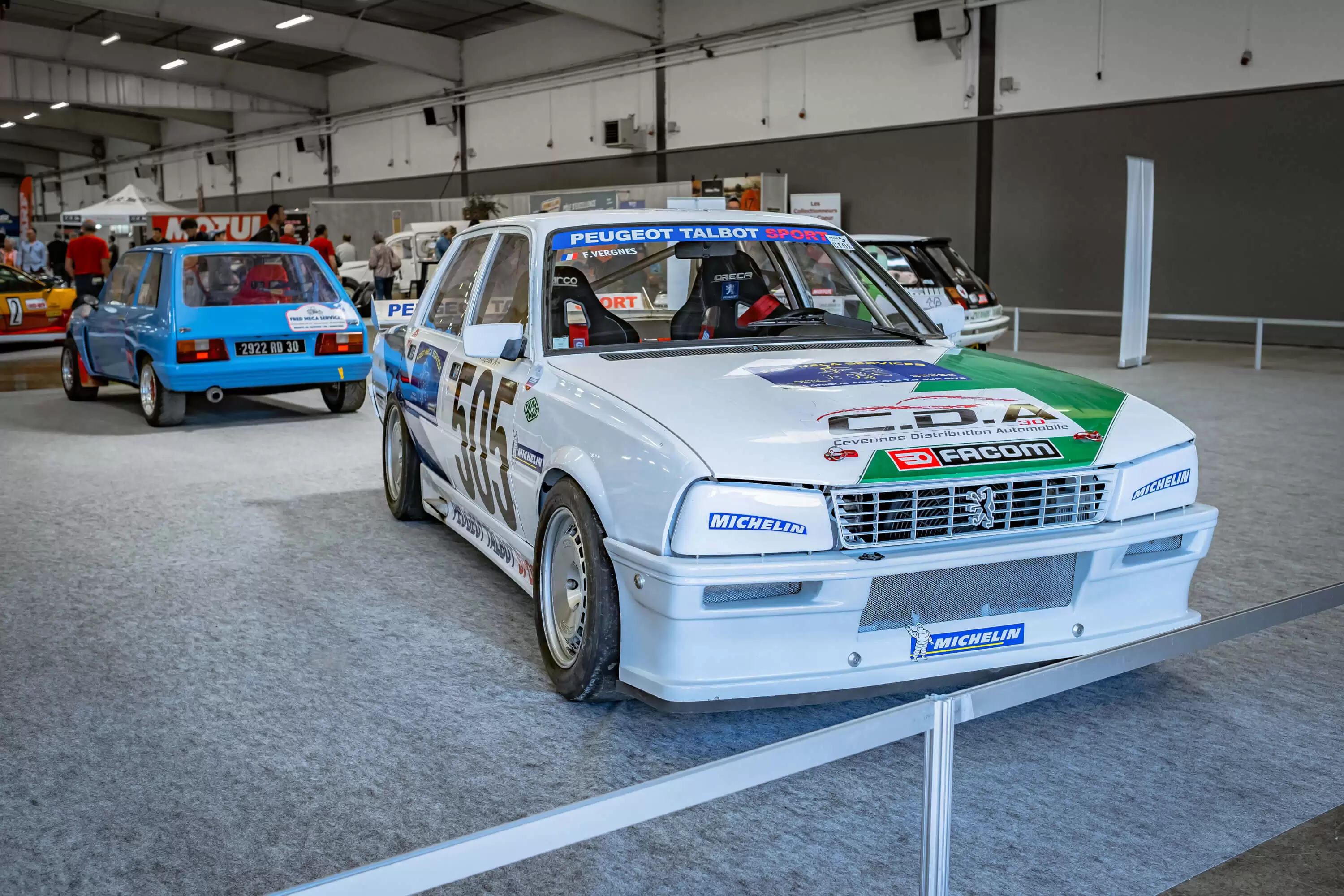
The advent of three-dimensional logos prompts the manufacturer to unveil a new identity in 2010 for the brand's bicentennial. The design aims to be more streamlined by limiting the number of edges, and the lion's paws create a relief movement. This logo also benefits from a modern dual-material treatment.
Like a return to the roots and following the favorable reception of the e-Legend concept car, Peugeot unveils a retro-futuristic logo in 2021 drawing inspiration from that of the 1960s. The lion returns to a crest to signify its move upmarket. This latest evolution marks a new era for Peugeot who wishes to connect the past and the future.
Bets are open for the date of the next change? Careful, we're not allowed to visit the local fortune teller to predict the future of the logo.
While waiting to know the future, we invite you to dive back into the past with numerous parts available to perpetuate the iconic vehicles of the Sochaux brand.
Published on
08-07-2022