Shopping Cart
 English
 Français
60th Anniversary of the 204 " Peugeot ": The Little Revolutionary Lioness
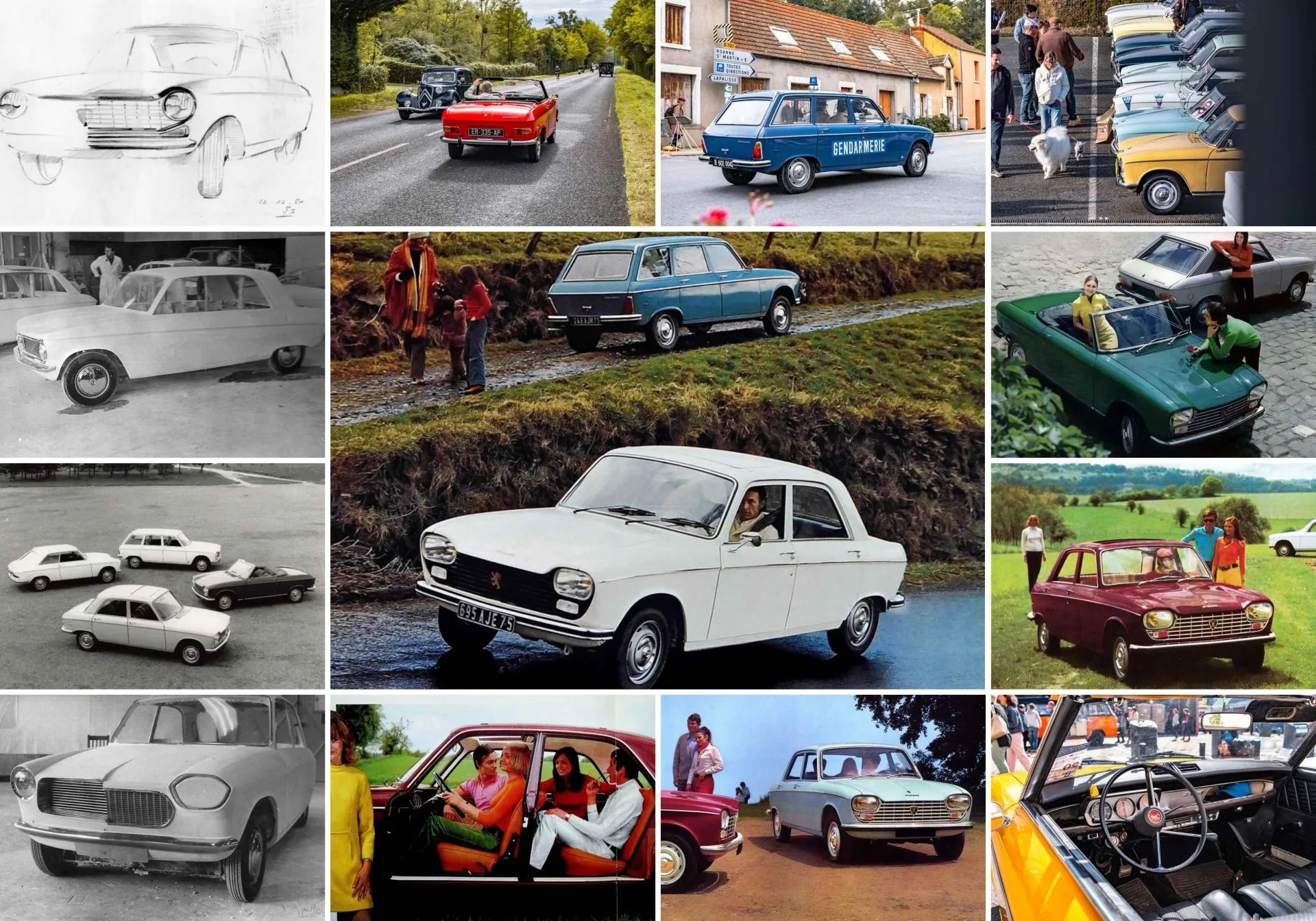
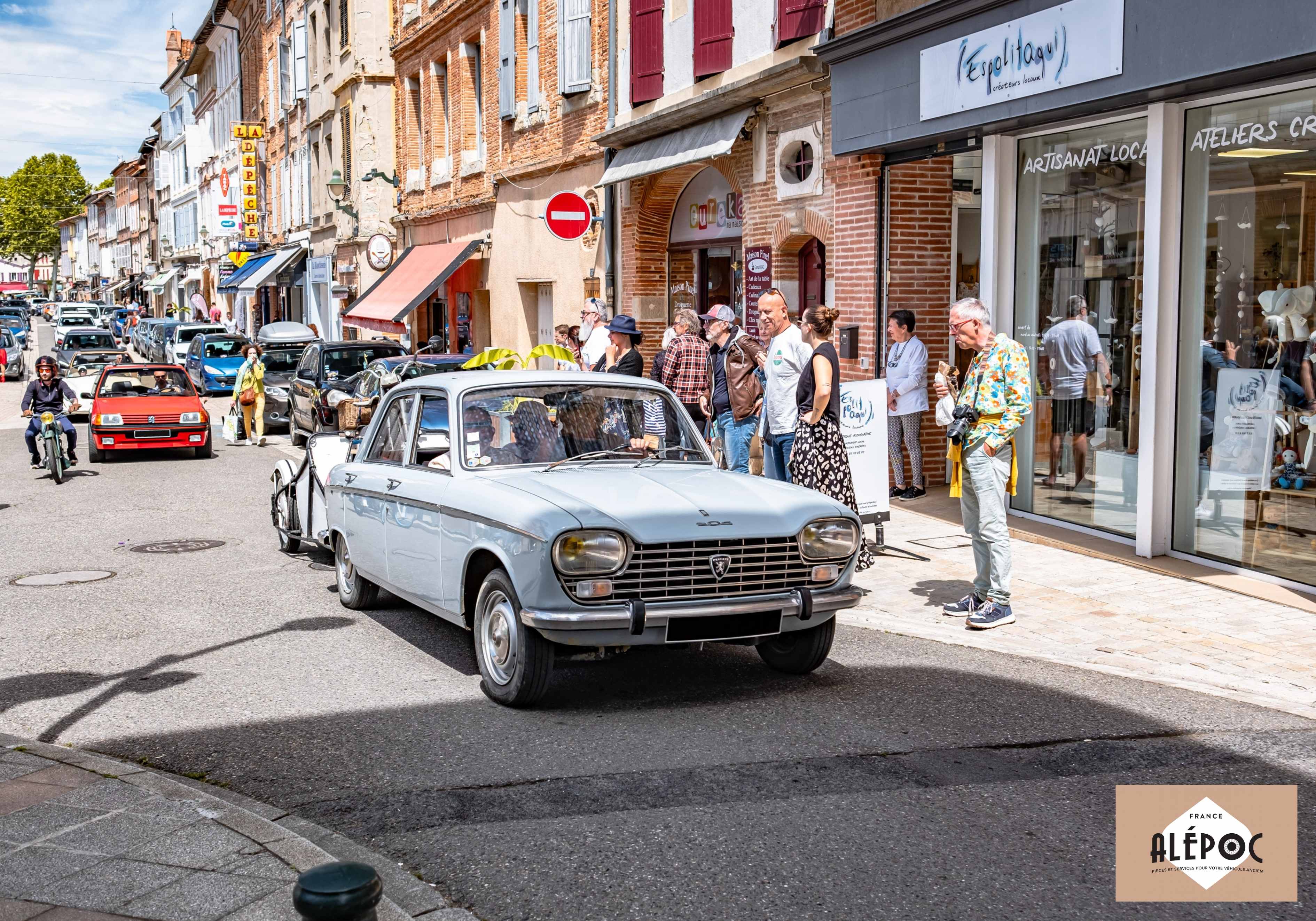
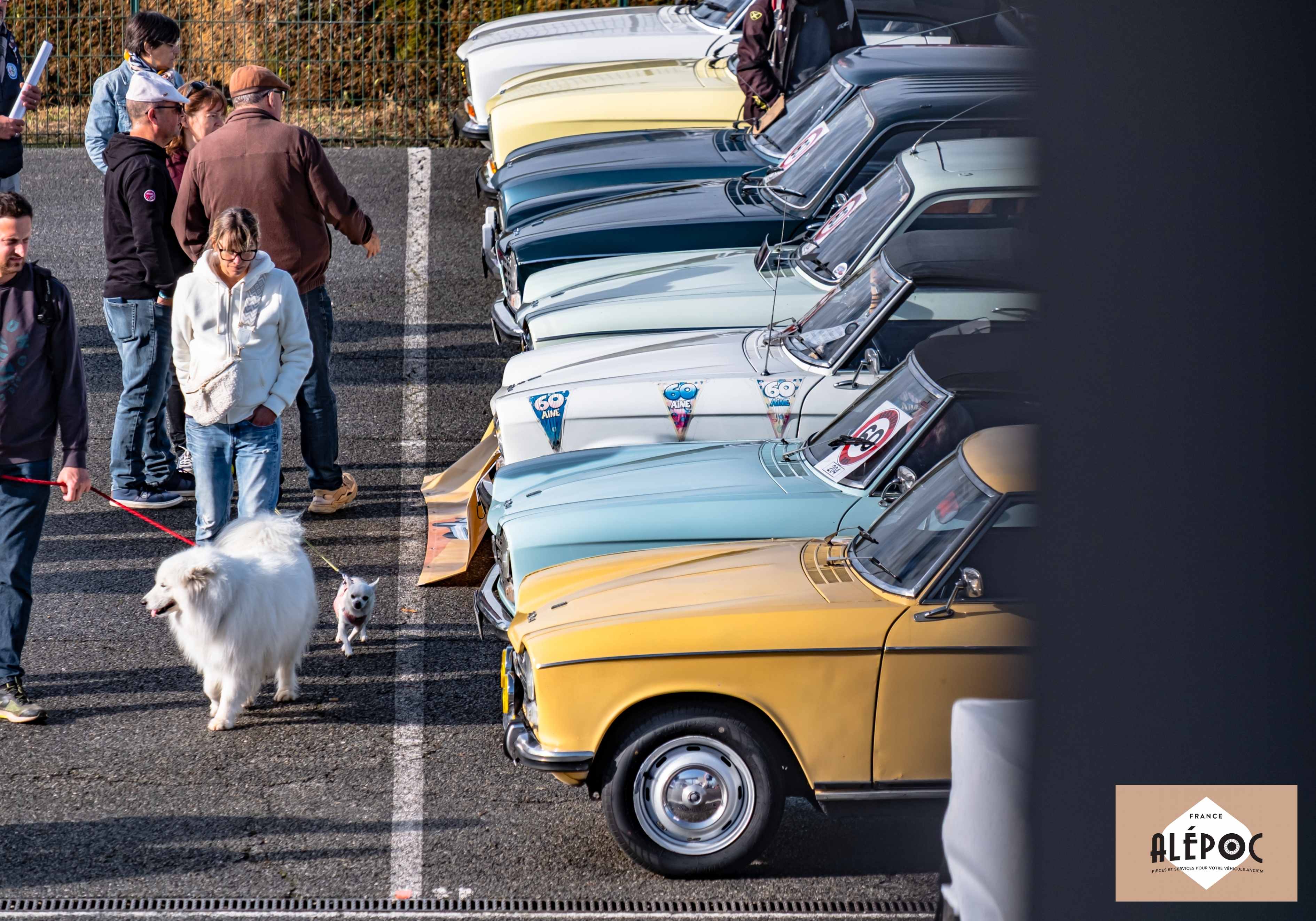
Sixty years ago, Peugeot launched a revolutionary little 6-horsepower car that would change the course of the brand’s history. Thanks to it, the Sochaux-based manufacturer moved from 4ᵉ on the 2ndᵉ ranking of French automakers in just a few years. A true technological and stylistic breakthrough, the Peugeot The 204 redefined the segment and marked the beginning of the product line's diversification Peugeot. . A look back at the history of this cultural icon.
The origins of the D10 project
Since the end of the war, Peugeot lives on the one-size-fits-all culture, guided by the Pons Plan. The cars are well-designed and appeal to a certain segment of the middle class, but they do not guarantee sufficient sales volume. These large sedans with engines over 7 horsepower are Far from the heart of the market : Two-thirds of the cars sold have less than 6 horsepower. Peugeot is only the 4thᵉ French manufacturer, behind Renault, , Citroën and Simca.
The development of a midsize sedan, a 6-horsepower engine, was then in the works. By the late 1950s, in the design studios at La Garenne-Colombes, the newly formed teams at Paul Bouvot are working on a smaller station wagon. According to documents from Car Design Archives, we can see that a Z-series was conceived—even before the Ami 6 was released in 1961—based on the same theme.
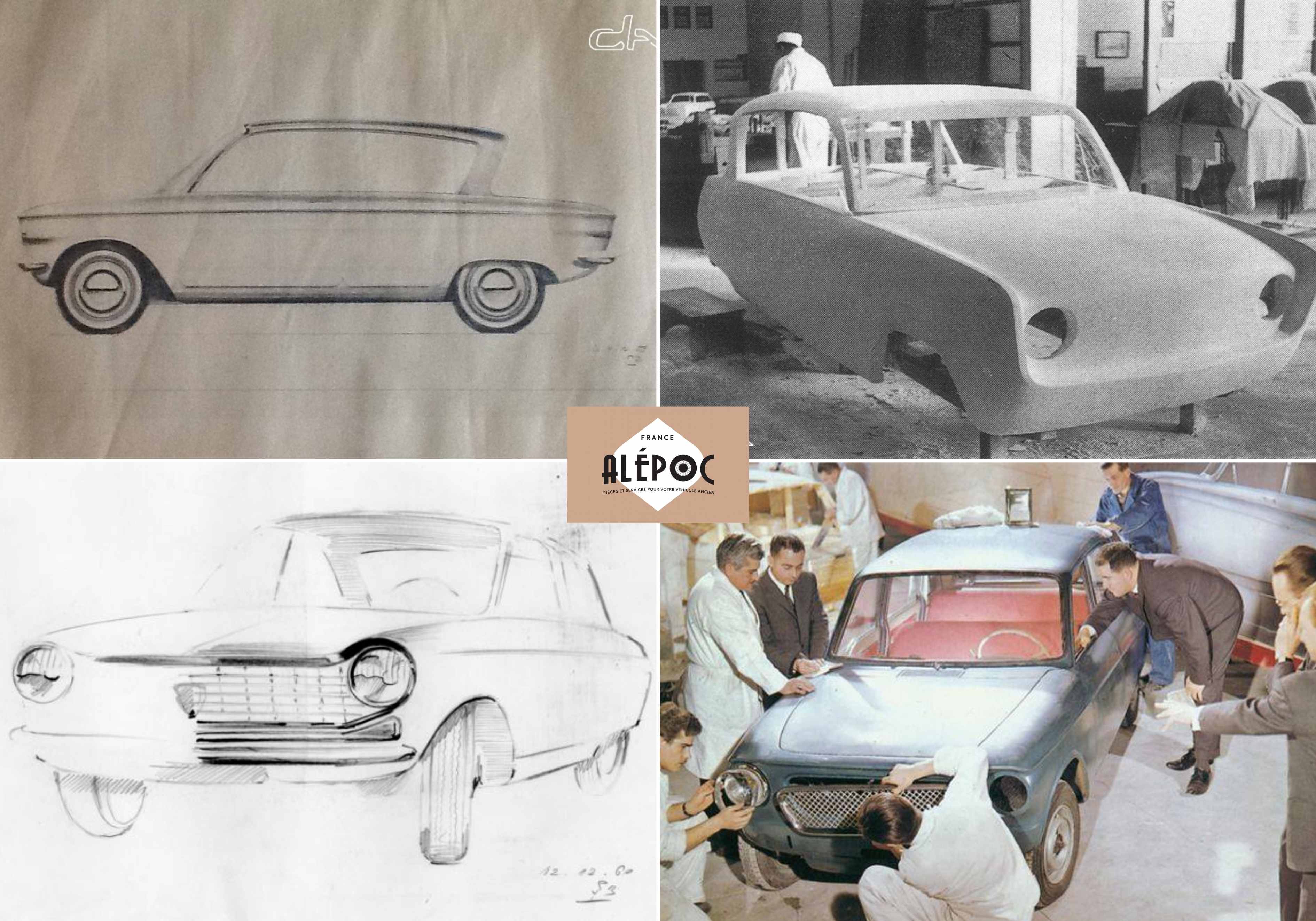
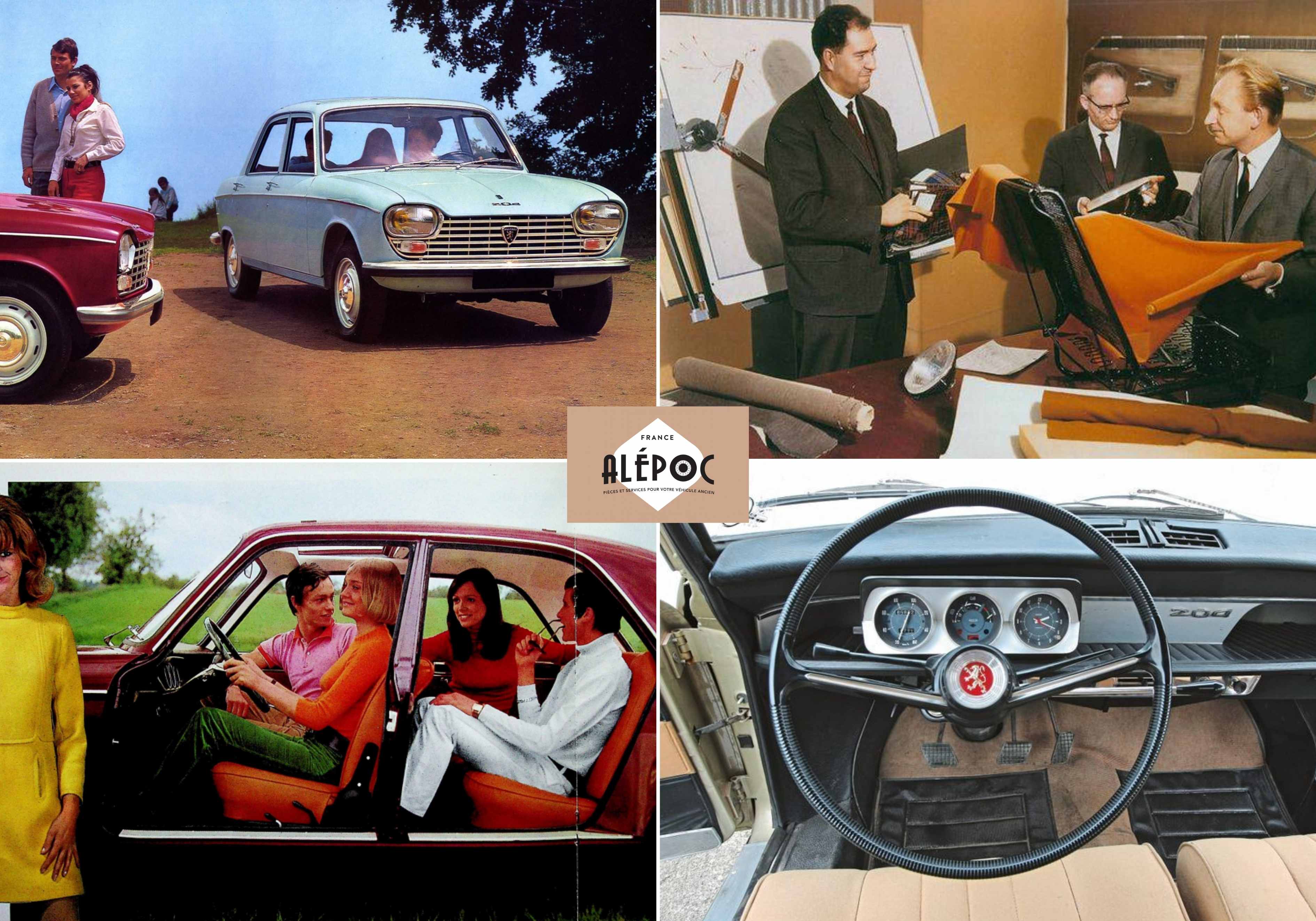
The drafts are piling up and Pininfarina is being consulted for this new D10 project. The main theme was established by the Italian coachbuilder, who would later reuse it on the Cadillac Jacqueline concept, but the in-house teams made numerous modifications, as evidenced by the many sketches. They didn’t want to upset their conservative clientele too much. A three-piece suit is then selected, with lines smooth and modern. The grille, which blends seamlessly with the headlights, is a first-of-its-kind design that would go on to inspire the front ends of many subsequent models—a design element that was also carried over to the Peugeot modern.
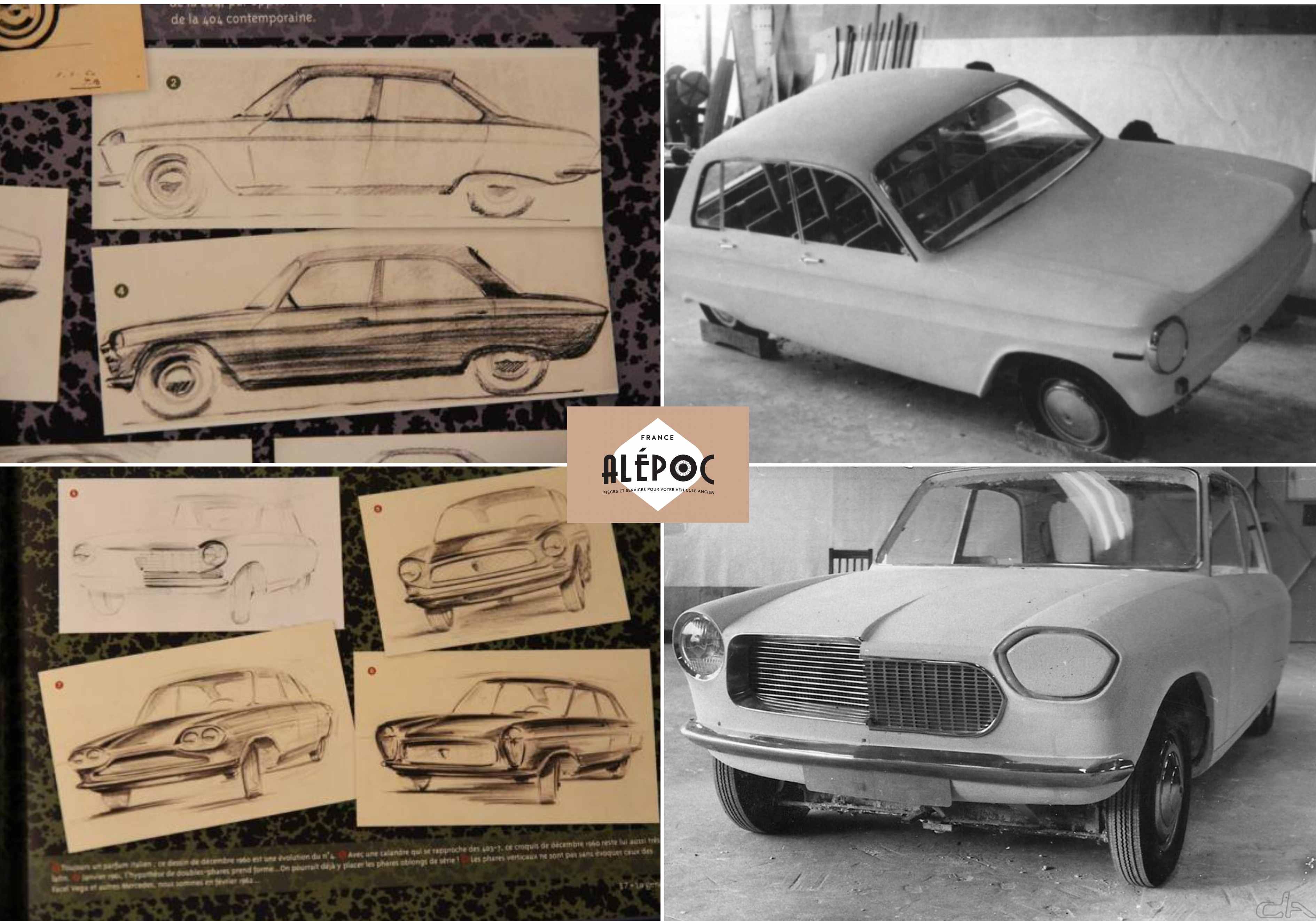
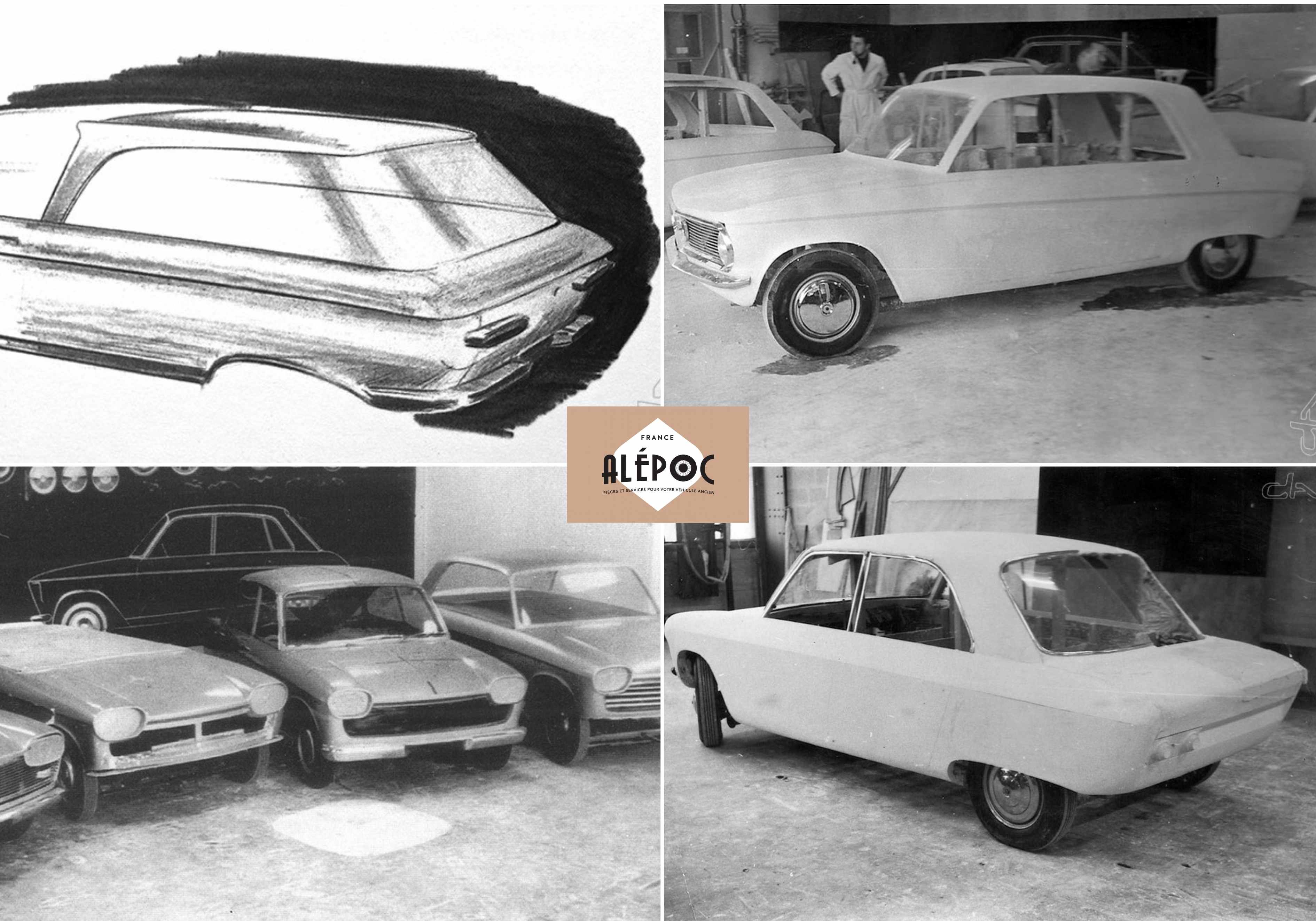
Following the first spy photos taken in December 1964, the Peugeot 204 is unveiled with great fanfare on April 23, 1965 at the Palais des Sports in Paris.
Technical innovations
The first traction Peugeot
It was while watching the technical specifications for the Peugeot 204 ...you realize just how revolutionary it is for the brand. It sets a series of firsts in the history of Peugeot :
- First front-wheel-drive car, with the exception of the D3 and D4 vans produced by Chenard & Walcker (Check out our parts for the front end of your Peugeot 204)
- Engine in a transverse position, just like on the Austin Minis
- Rigid flat-bottomed hull
- Disc brakes at the front (Check out our brake parts)
- Four independent wheels
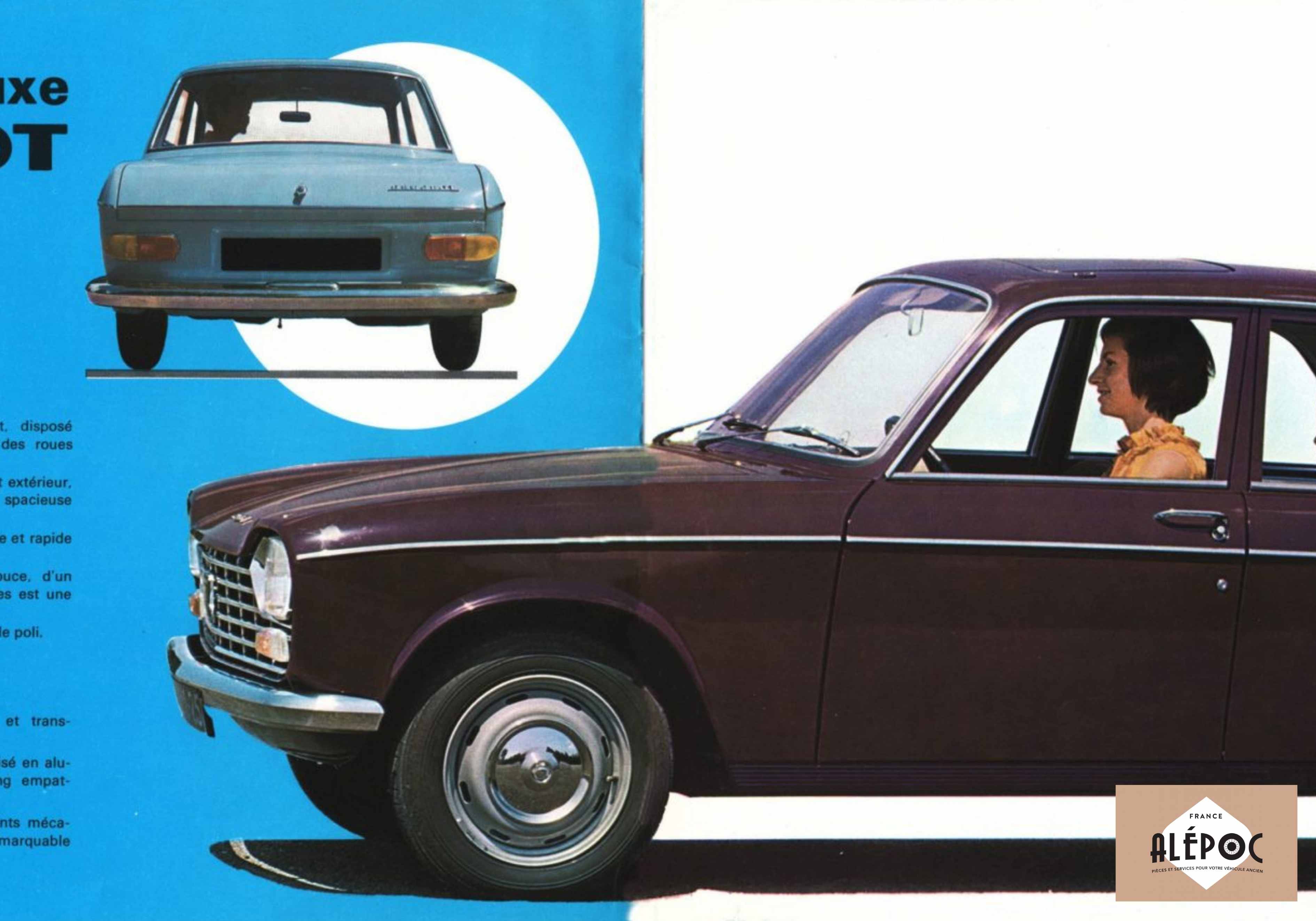
With this design, the engineers were able to achieve a spacious interior while maintaining a compact size (3,990 mm long, 1,560 mm wide, and 1,400 mm high), ideal for city driving the demanding style of the 1960s and 1970s.
A new engine
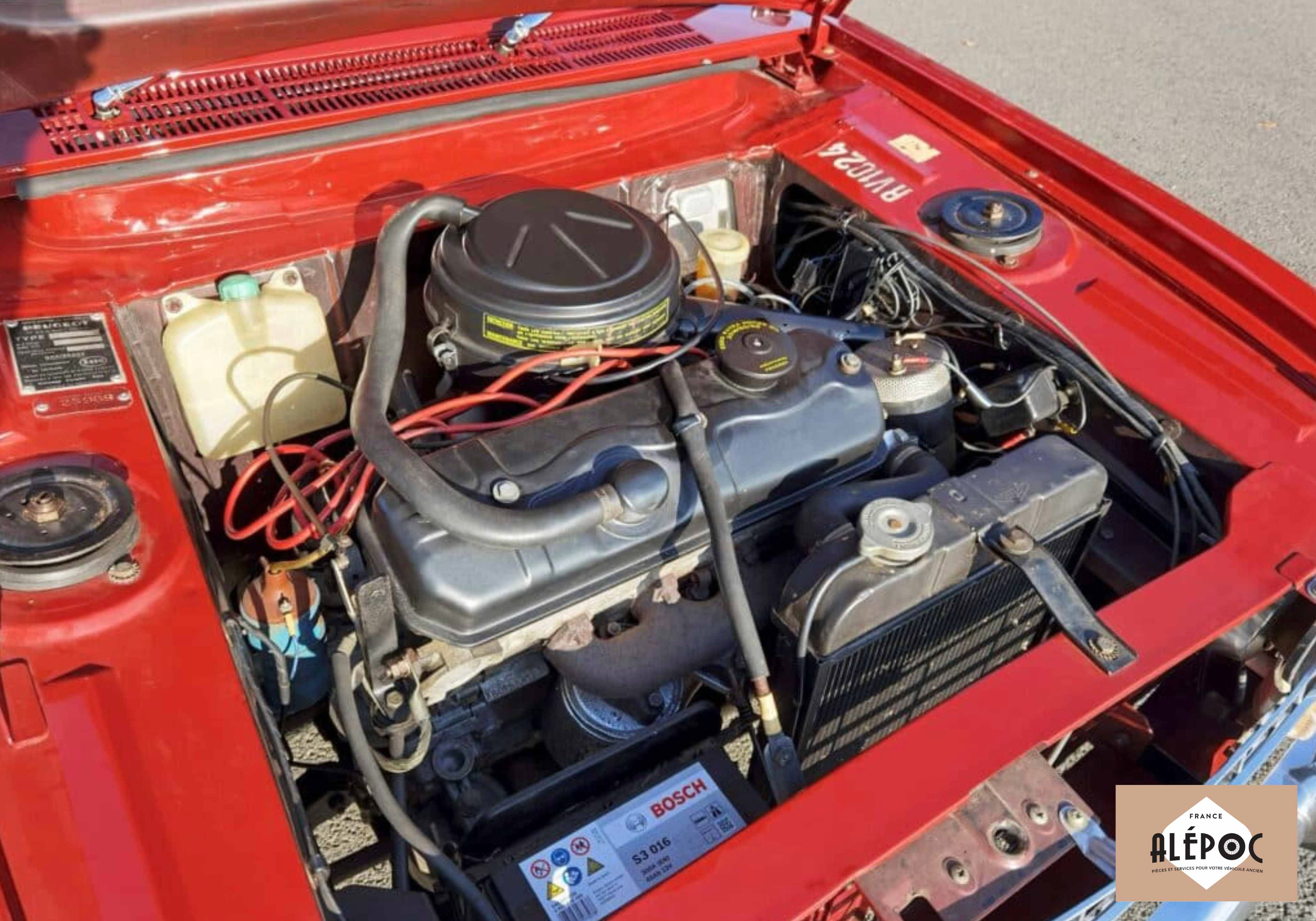
This compact design is made possible by the engine's innovative design. Named XK, this new 1,130 cc, super-square 4-cylinder engine is made entirely of aluminum.
It features modern technologies such as a forged steel overhead camshaft and an automatic electromagnetic fan clutch (patent Peugeot) on the Grand Luxe Sedan and Station Wagon (See the dedicated water pump).
The gearbox is located beneath the engine block, as in the Mini. The differential is mounted in a common housing and lubricated by the same oil as the engine.
The result: the small 4-cylinder engine delivers 53 hp for a top speed of 138 km/h. Compared to the competition, the small Peugeot It is very popular and dynamic, though it does not claim to be a true sport.
It was an instant success, thanks in large part to the many upcoming updates.
The illustrious career of the Peugeot 204
Expanding the lineup: station wagon, van, coupe, and convertible
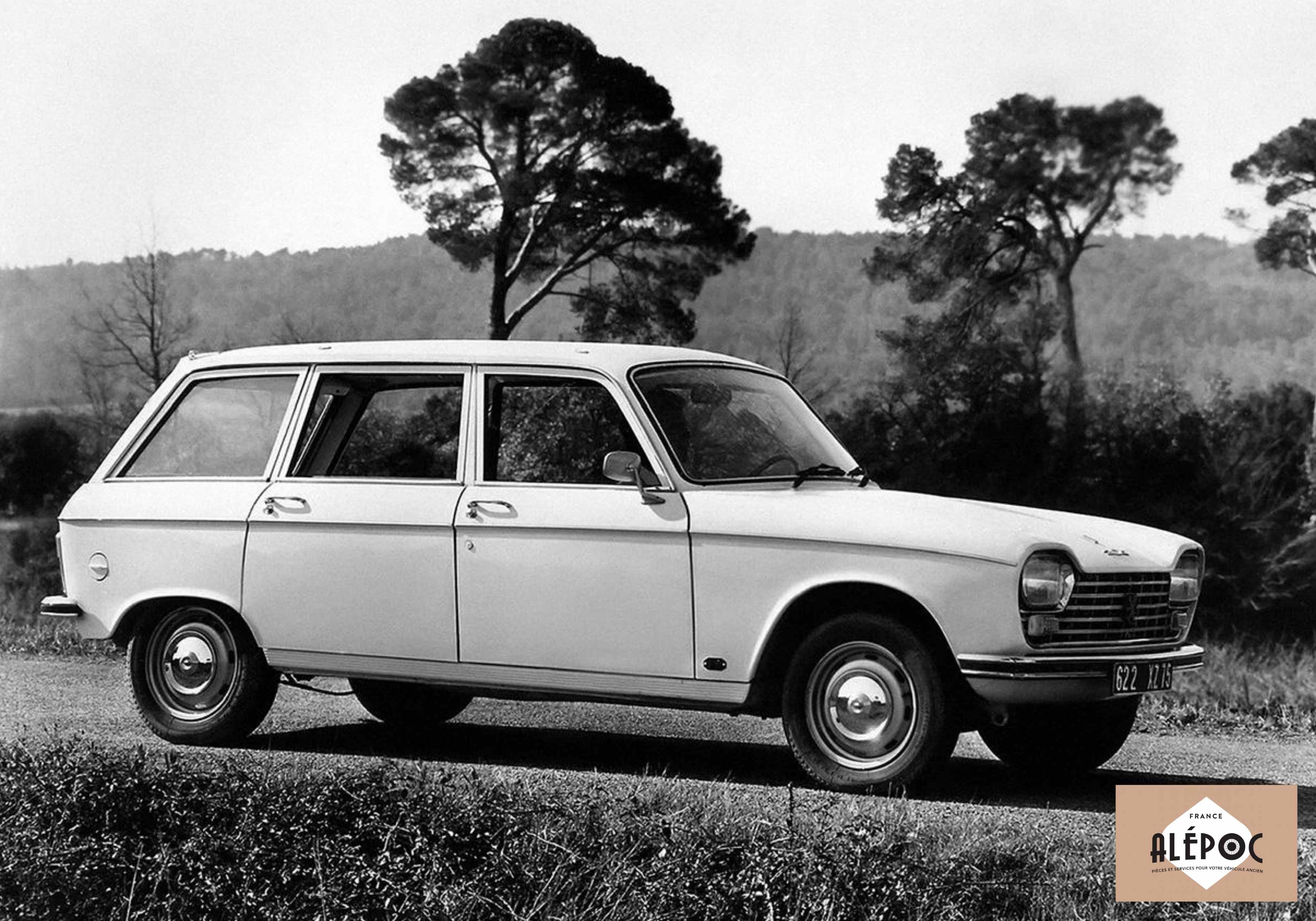
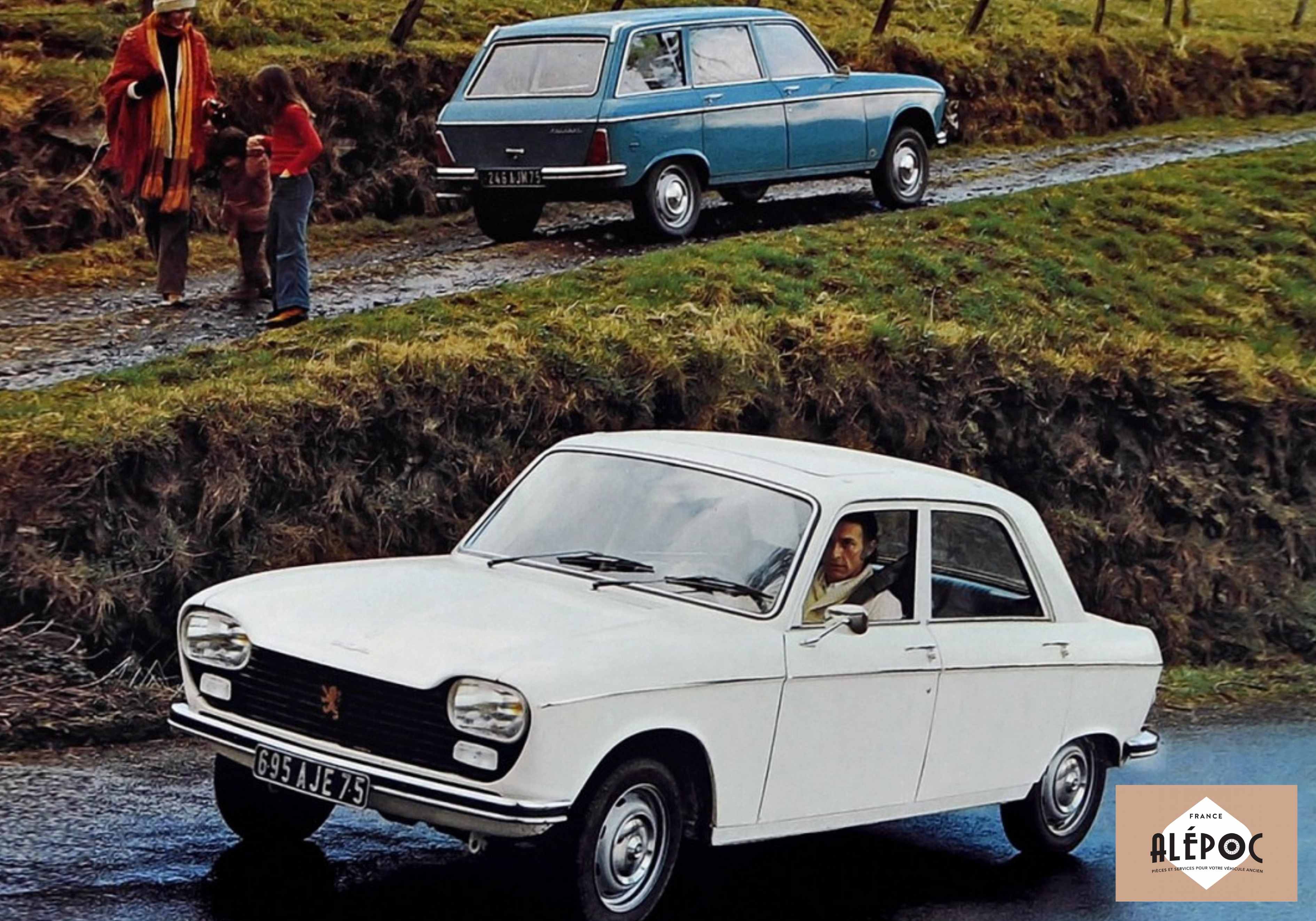
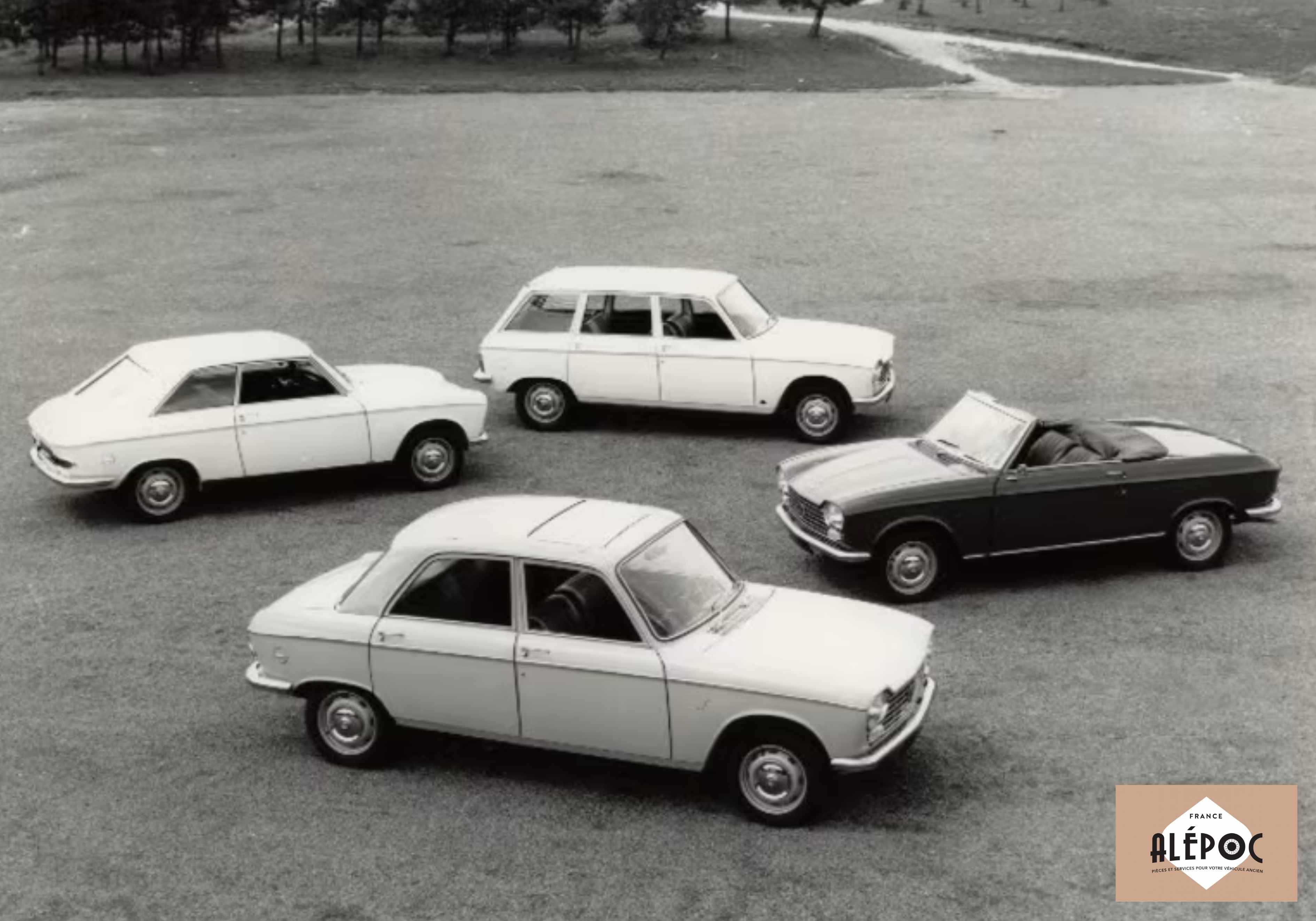
As of 1965 Paris Motor Show, the variation break (code D12) is shown. The Peugeot The 204 Break shares the same wheelbase as the sedan, with the main difference being the addition of a tailgate. It offers up to 1.48 cubic meters of cargo, a major selling point that quickly appeals to many families.
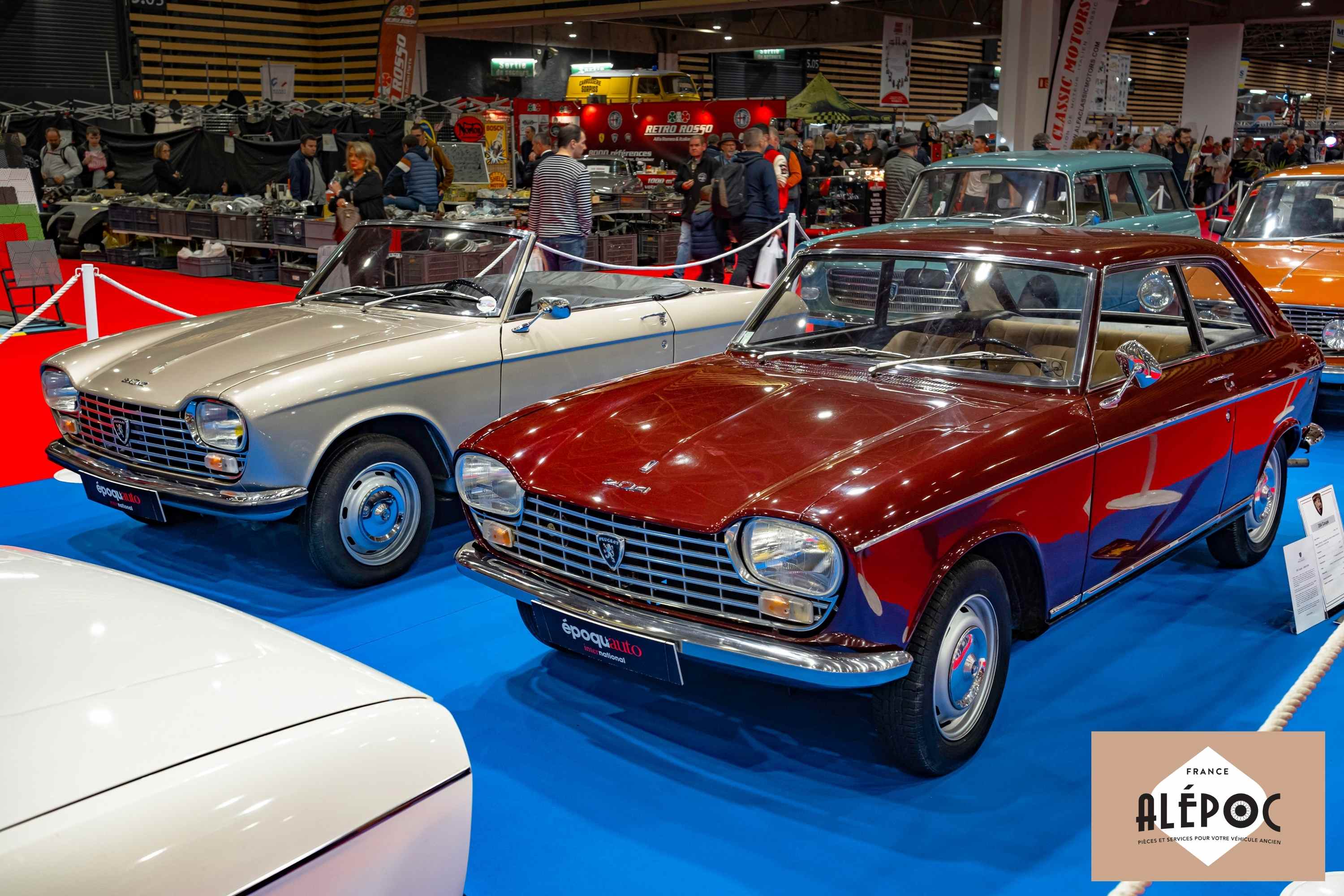
In September 1966, , Peugeot is expanding its customer base and targeting young, dynamic professionals with the arrival of 204 Coupe and Convertible (D15 and D11). Their design, developed entirely in-house, marks the beginning of new, larger taillights, which will then be rolled out across the entire lineup. The wheelbase has been shortened by 29 cm, the suspension lowered, and a third gauge has been added (See our replacement parts).
The coupe’s fastback silhouette is instantly captivating, while the convertible—especially in red—is irresistibly alluring a bit like the good life.
At the same time, Peugeot reveals the van version a variant of the station wagon, which quickly won over shopkeepers and artisans in downtown areas thanks to its practicality and compact size.
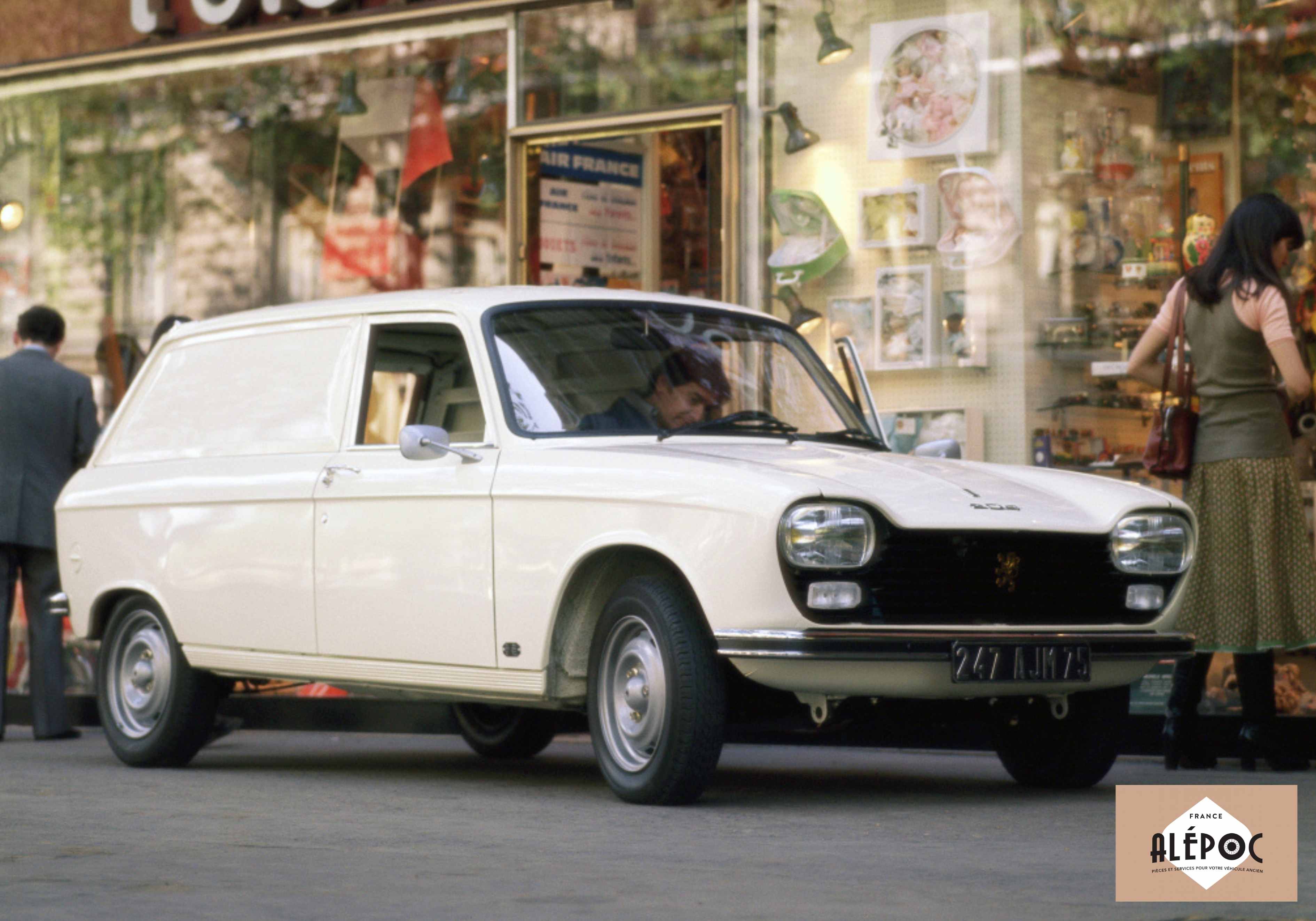
Changes to the product line Peugeot 204
Produced until 1976, the Peugeot 204 saw numerous technical and aesthetic changes throughout his career.
At 1967 Paris Motor Show, a major new feature is being introduced: the diesel engine on the station wagon version. The 4-cylinder Indenor 1,255 cc (40 DIN hp) becomes the smallest diesel engine ever installed in a production car. Although based on the gasoline engine, it has proven to be somewhat unreliable, suffering in particular from cylinder head issues and cracking.
The following year, at the 1968 Fair, the coupé and convertible adopt larger tires for better traction, while the entire range features new bumpers with rubber trim, of a new steering wheel and anti-roll bars.
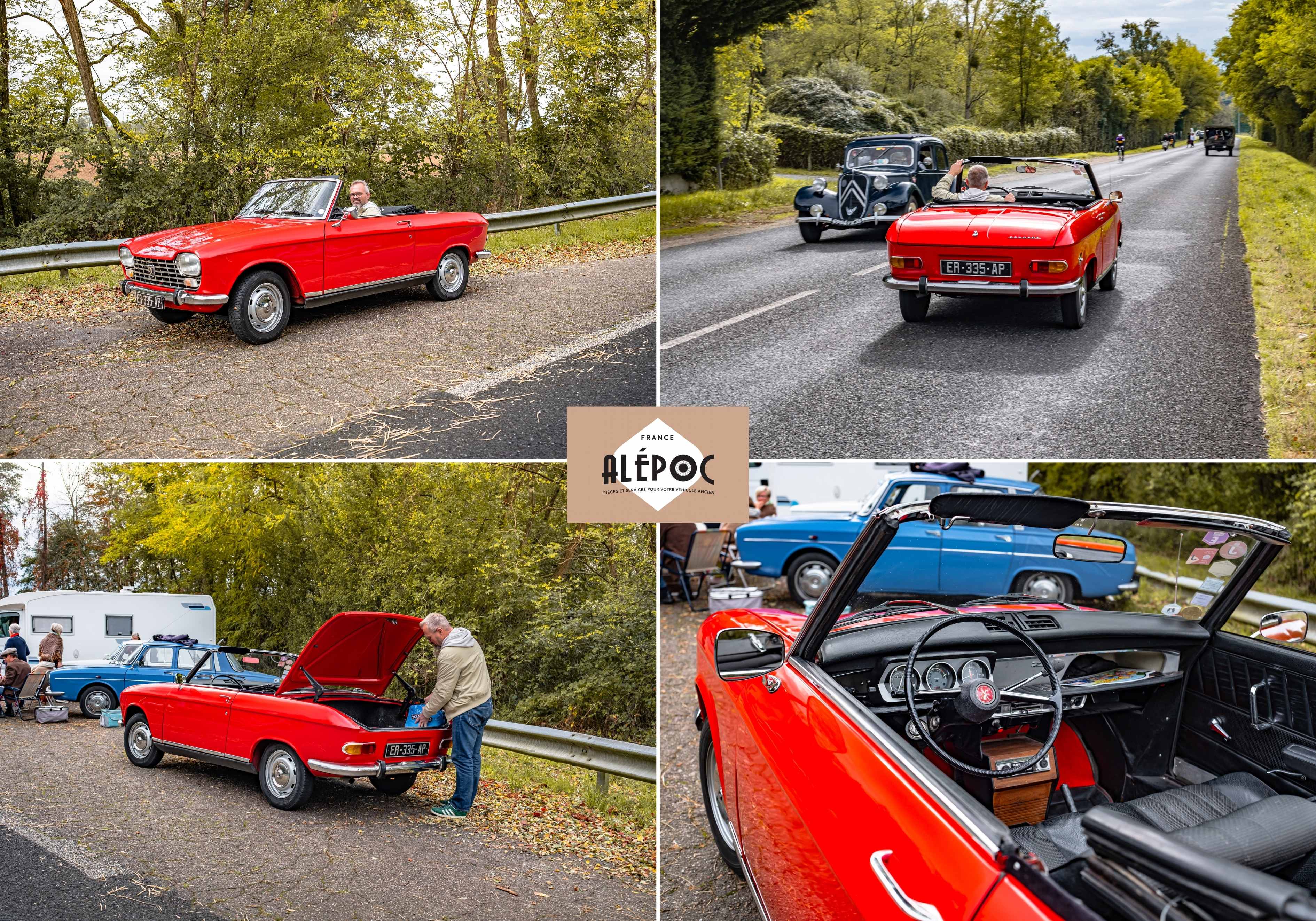
In 1969, the gasoline engine has been updated: it now features a new carburetor and a redesigned cylinder head, bringing its power to 55 hp (code XK4).
That same year, Peugeot introduces a newcomer: the Peugeot 304, based on the 204 but featuring a redesigned front and rear end and more powerful engines.
In April 1970, the 204 coupes and convertibles are thus being replaced by their 304 counterparts, after a production run of 42,756 coupes and 18,181 convertibles.
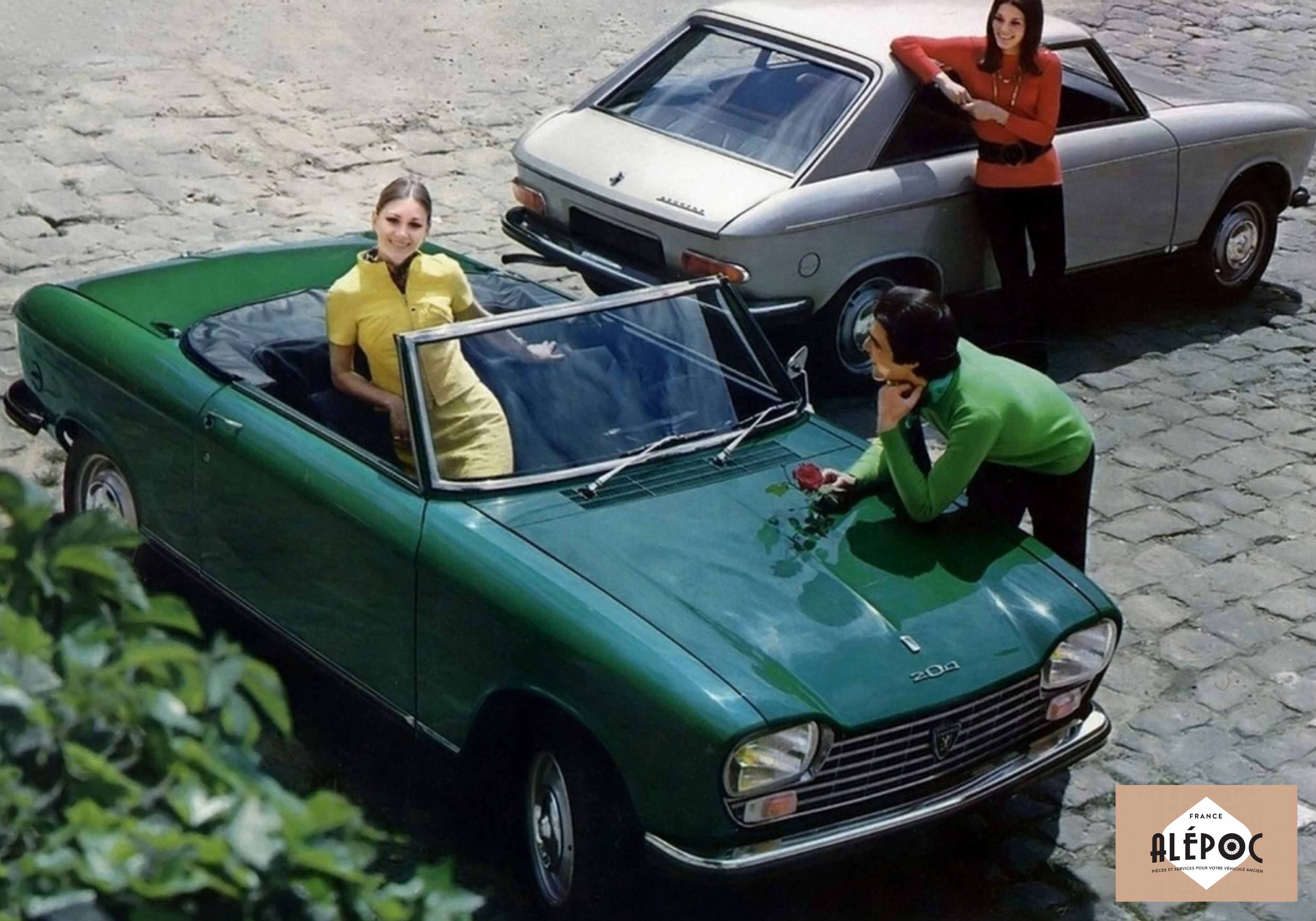
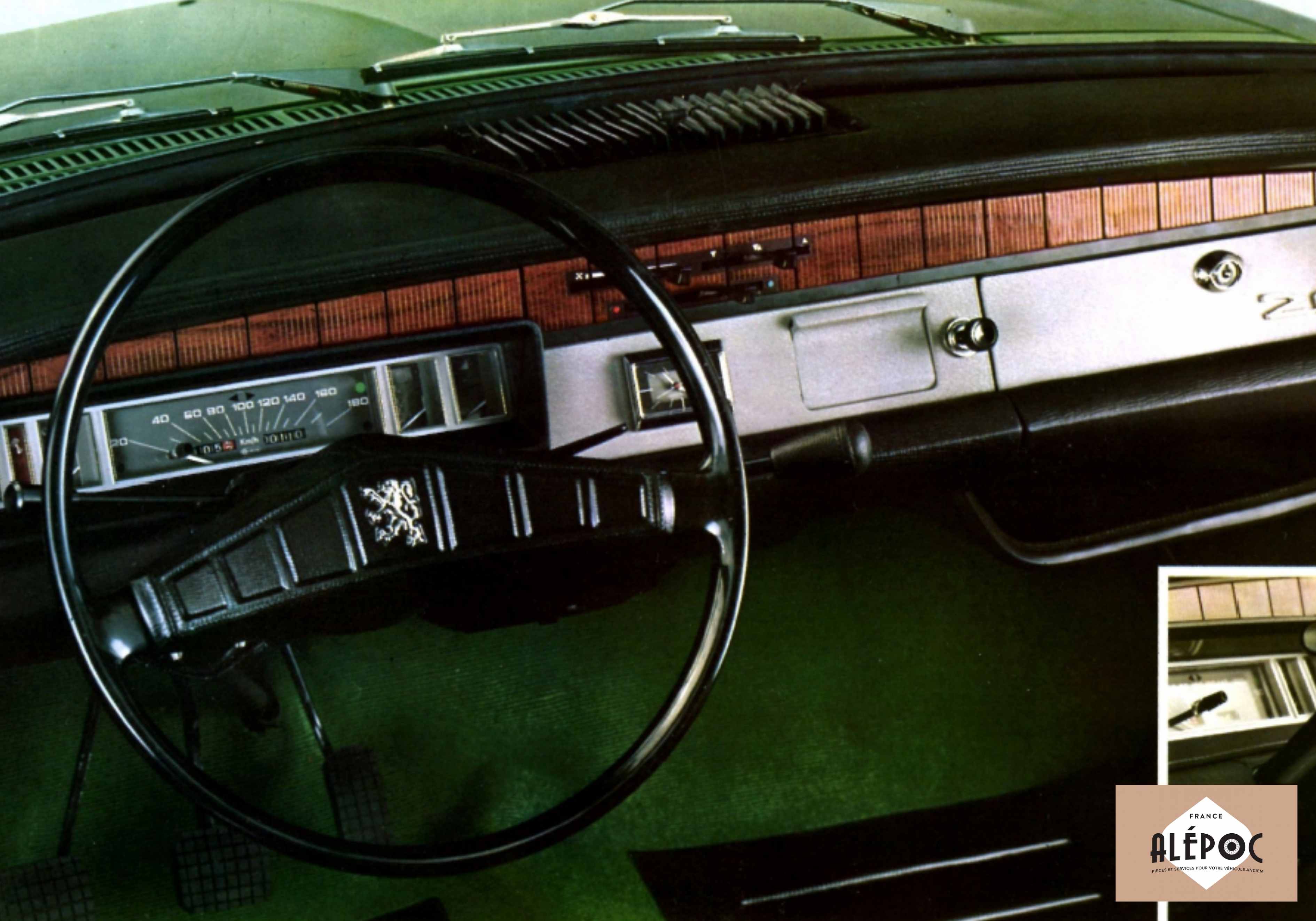
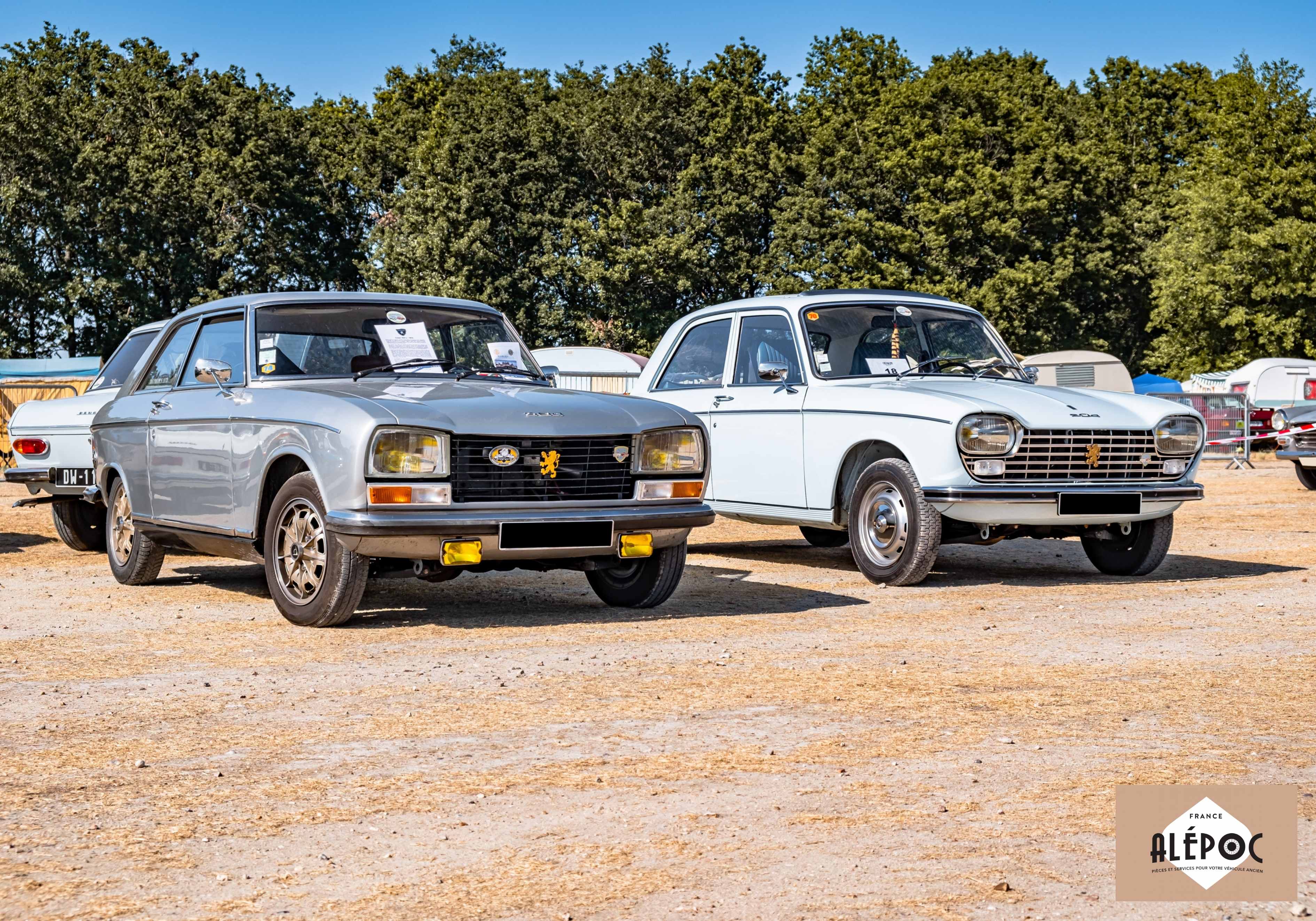
At 1970 Paris Motor Show, the The dynamo is replaced by an alternator, and the interior has been updated with door panels borrowed from the 304.
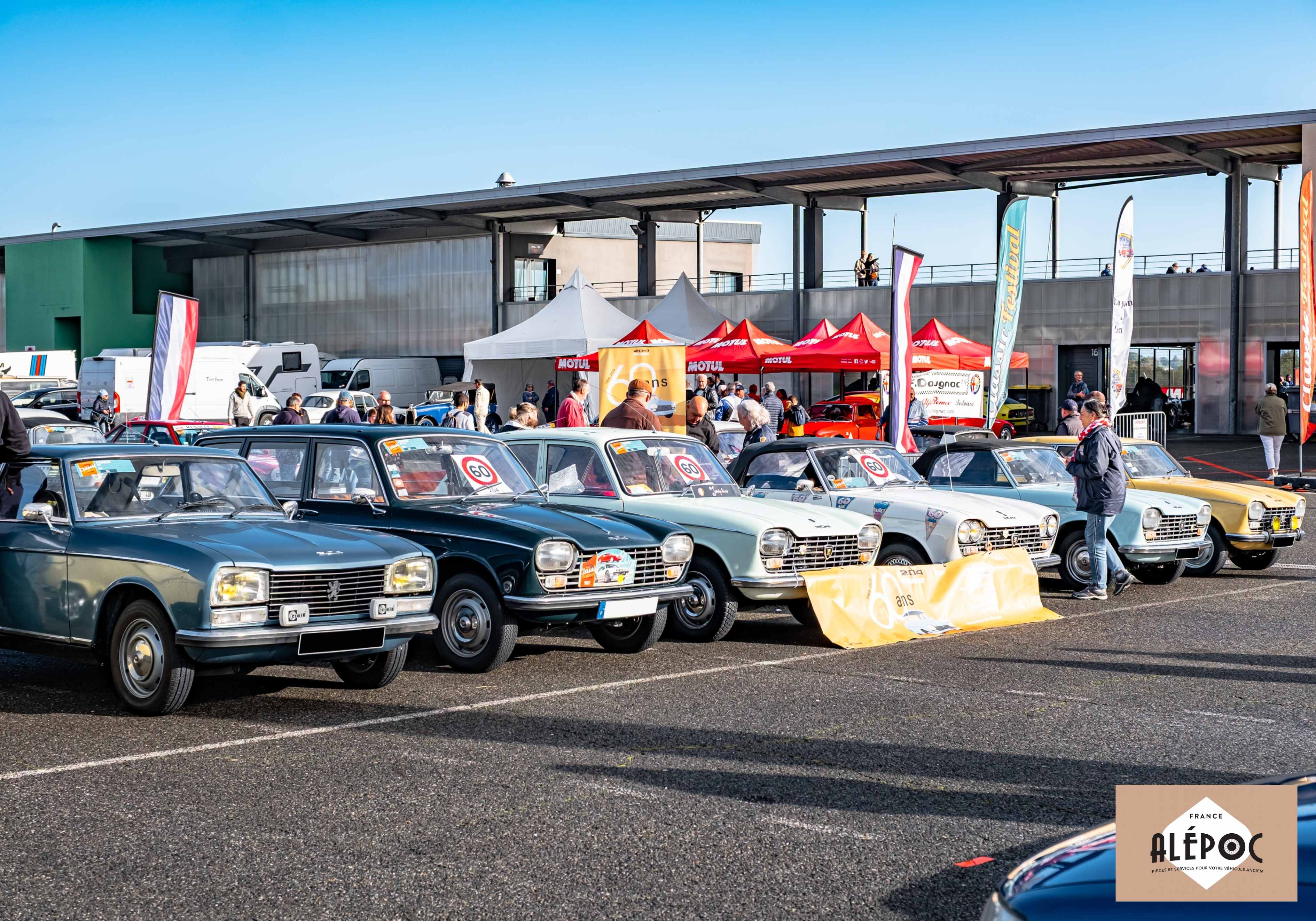
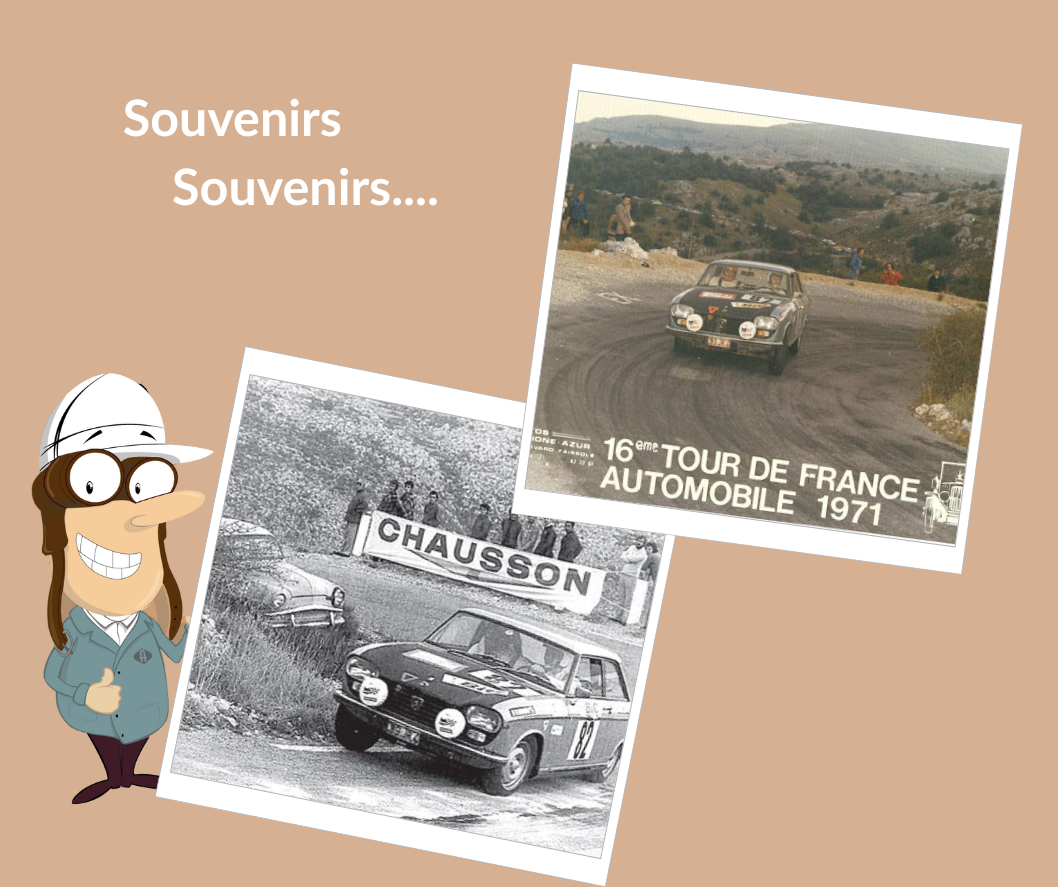
In 1971, the 204 is making a name for itself on the track: it is competing in the Tour de France Automobile in the 3GT class and finishes 49ᵉ.
In September, the front panel has been redesigned and now features the new golden lion instead of the traditional crest (see The Story Behind a Logo: The Lion Peugeot).
“I remember it as if it were yesterday! In 1971, I spent a day at the Tour de France Automobile. What a source of pride to see the Peugeot 204, ranked 49thᵉ !That's when I realized the value of flawless mechanics." Roger
In 1973, the 204 receives new, longer taillights and a improved diesel engine, the XL4D (1,357 cc, 45 hp), which addresses the shortcomings of its predecessor. It will be offered for the first time on the sedan in 1974.
That same year, the Peugeot 204 Proto Diesel establishes eight endurance world records (Category A3, Group 3) on theLinas-Montlhéry Raceway, led by Jean Guichet, Jean Todt, and Hannu Mikkola.
The latest series adopt a series of automatic retractable belts, an innovation by René Pouget and patented by PSA—a system still in use today. The heated rear window is also standard, and a latest gasoline engine makes its appearance: the XK5 (1,127 cc, 59 hp).
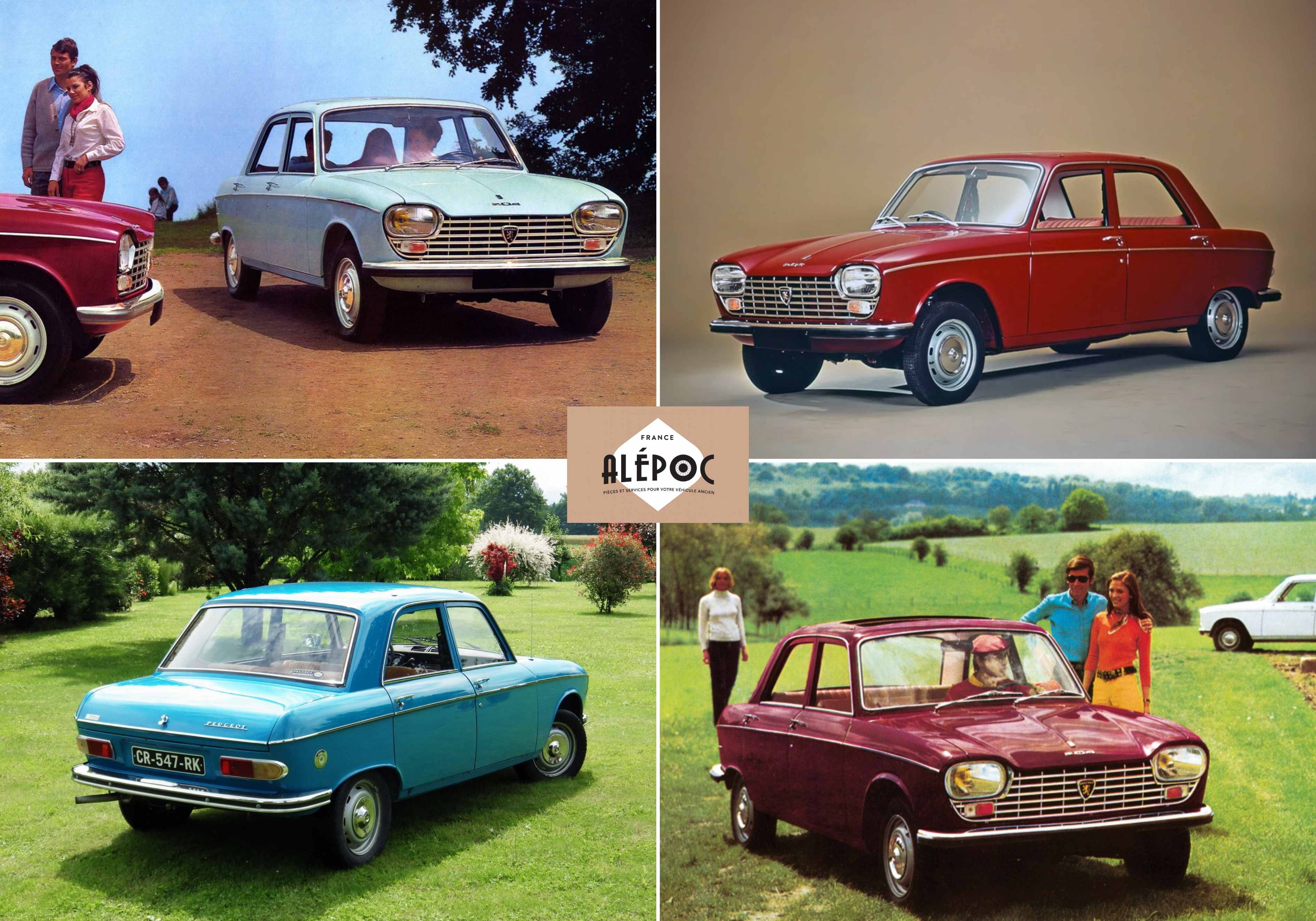
In June 1976, the van production ends after 37,994 copies, followed by July by the sedan (1,020,029 copies) and the break (485,336 copies). And so ends the career of a little lioness who left her mark on the history of Peugeot.
Summary: The revival of Peugeot
With more than 1.5 million copies produced, the Peugeot 204 propelled the brand into a new dimension, both in terms of volume—by enabling Peugeot to become the France's second-largest automaker — that in terms of image, thanks to a noticeable rejuvenation made possible by the dynamic qualities and the technological modernity of the model.
She has topped the sales charts in France between 1969 and 1971, thereby cementing its popularity.
Today, it is a a great success story in French automotive history, again available in the collection : the sedan and station wagon versions are reasonably priced, while the coupes and convertibles, which are rarer, are traded at prices ranging from €10,000 to €15,000.
With its easy to drive, her low power consumption and its compact template, the Peugeot 204 remains a the perfect front door in the world of popular French classic cars.
Check out our replacement parts to maintain your Peugeot 204
Check out our other articles on the story of Peugeot :
- Peugeot 504 Coupe: The Everywoman in an Evening Gown
- 50th anniversary of the Peugeot 104: The Little Lioness Shows Her Teeth
- 40th anniversary of the Peugeot 205: The Beginning
- Take a break behind the wheel of a Peugeot : The History of Family Cars
Published on
04-11-2025