
Shopping Cart
 English
 Français
Guide to Automotive Fuel Systems
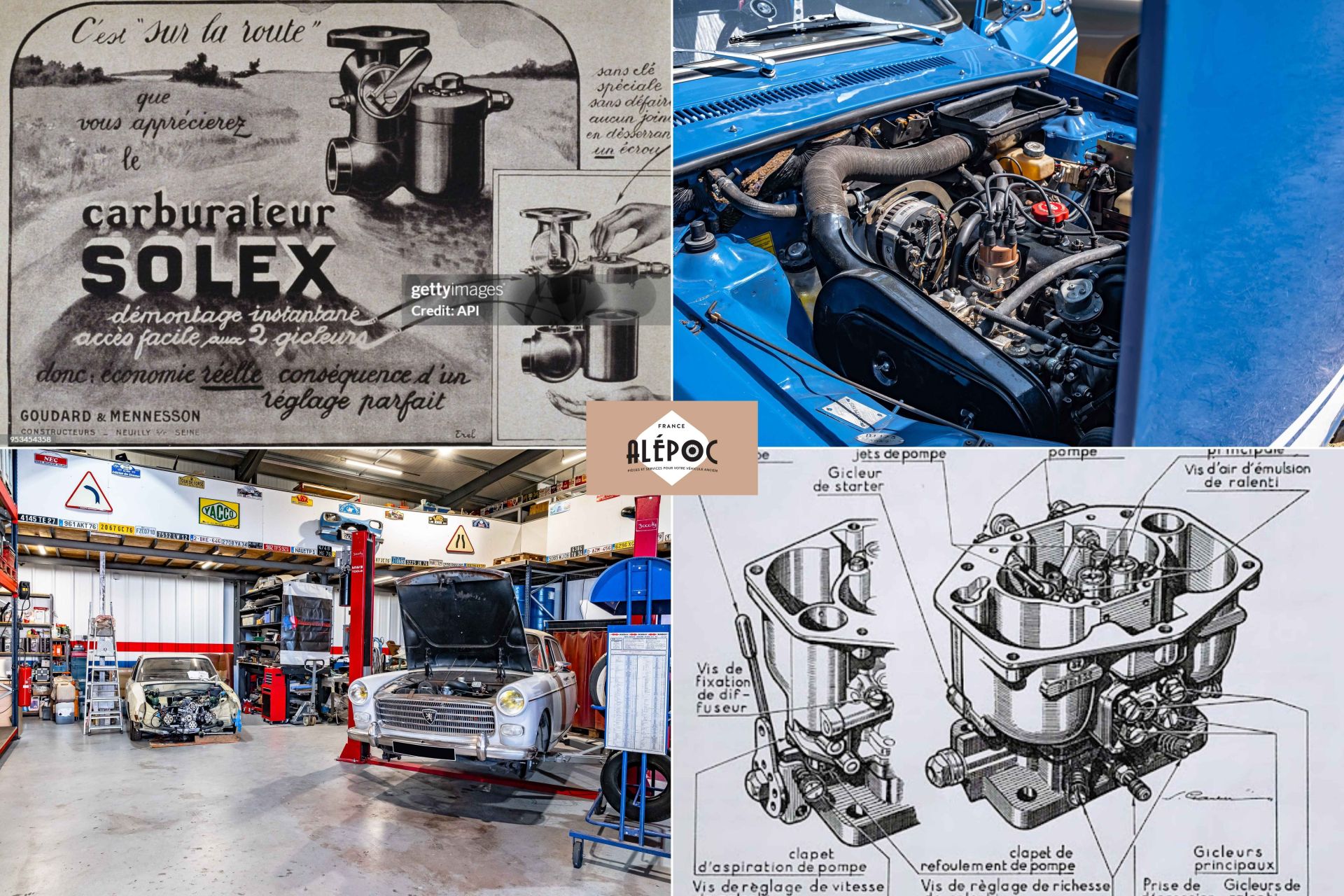
From the earliest automobiles through the early 1990s, the carburetor was at the heart of the engine, responsible for preparing the precise air-fuel mixture essential to engine operation. A key component—reliable yet demanding—it requires regular and thorough maintenance.
In our Fuel System Guide, learn about its history, how it works, and best practices for maintaining it.
A Brief History: The Origins of the Automobile
Fuel technology has evolved alongside the automobile. As early as the 1880s, we see the first signs of it with Édouard Delamare-Deboutteville, who developed a modern single-cylinder, four-stroke engine with electric ignition, which he mounted on a tricycle in 1883.
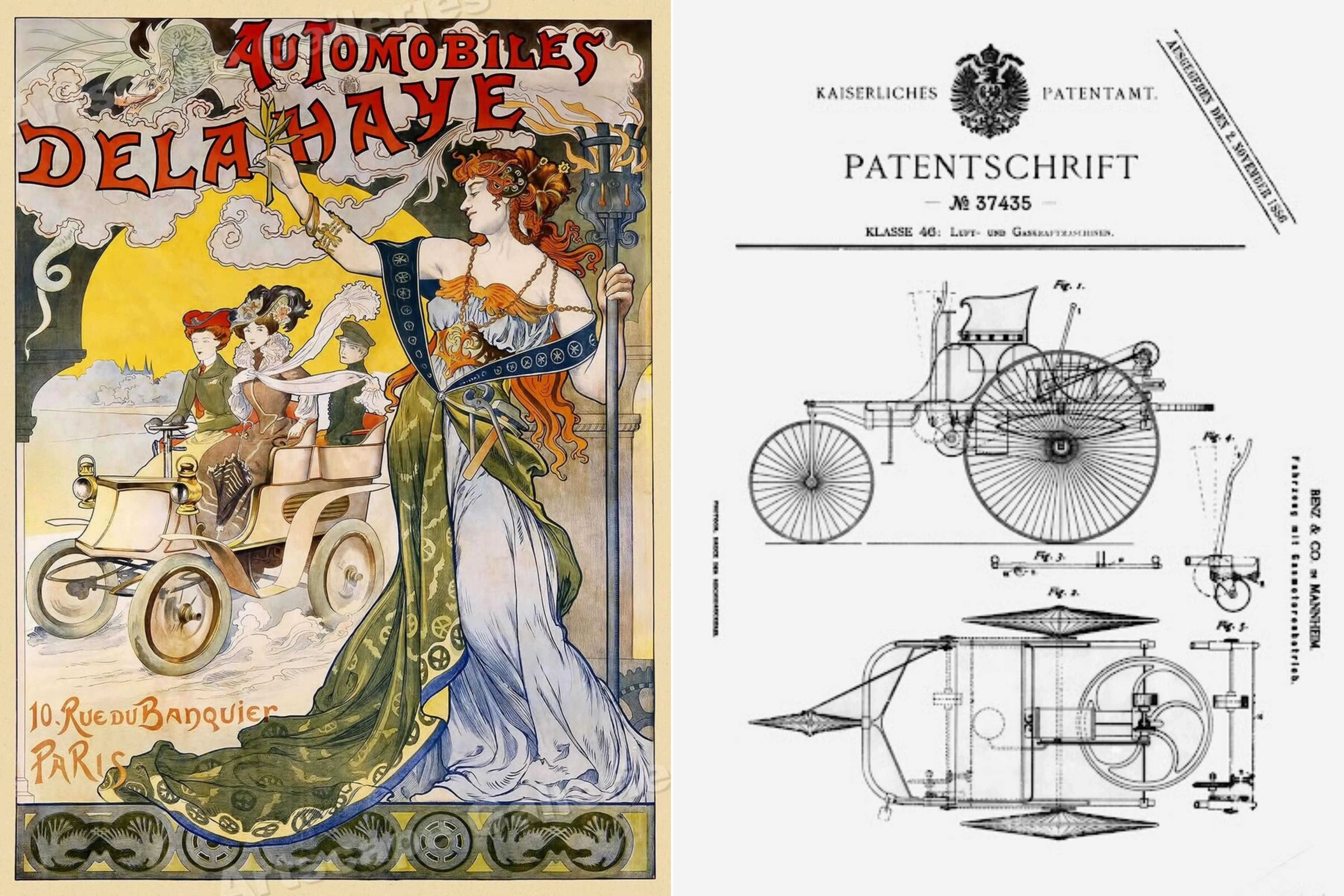
In 1885, Karl Benz completed his first tricycle, the Benz Patent Motor Car. Designed as a fully-fledged vehicle in its own right with its own dedicated chassis, it incorporates all the principles of a modern engine, including a rudimentary carburetor: a simple bowl in which gasoline vapors are directed toward the cylinders along with the necessary volume of air.
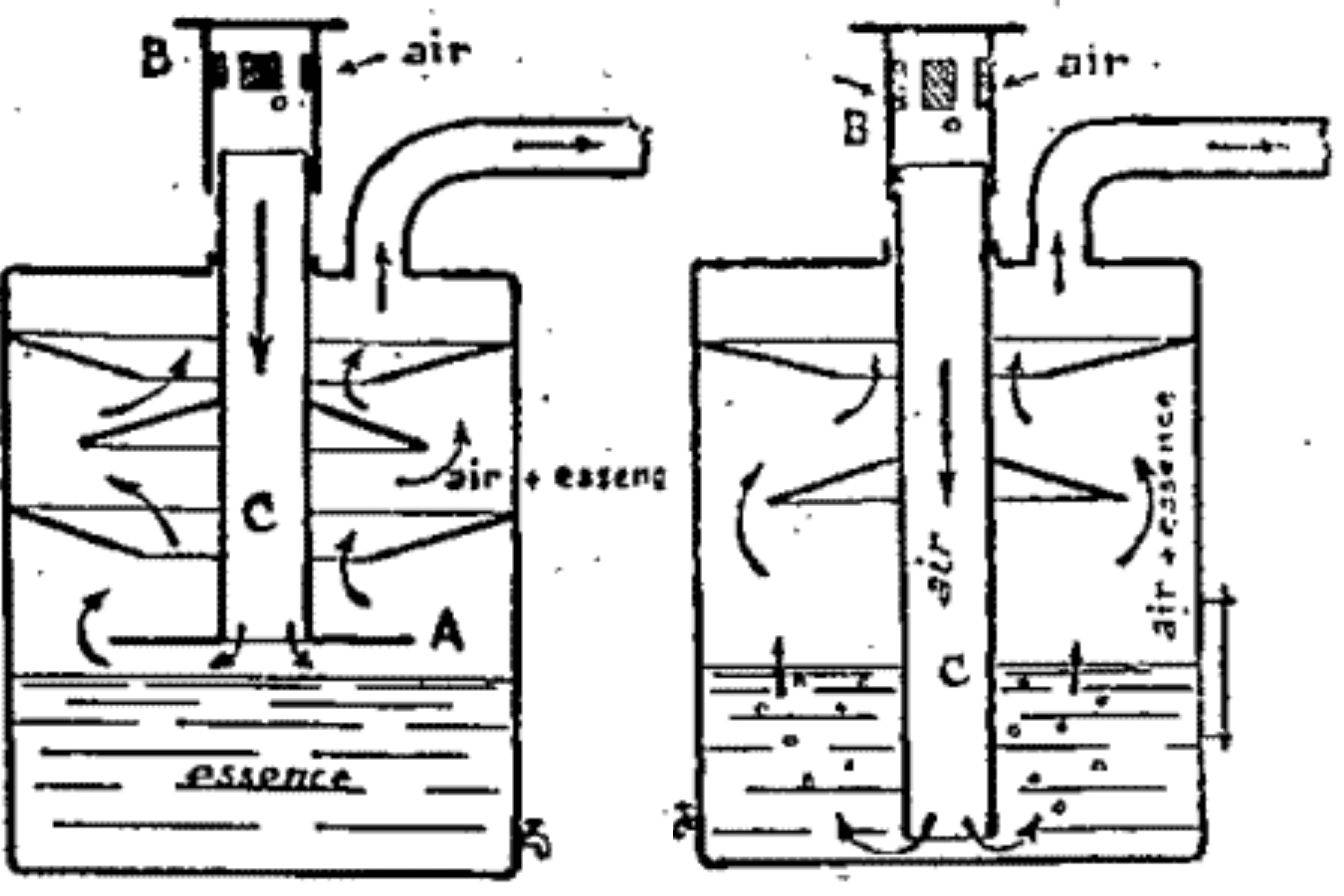
In the 1890s, the wipe-and-flush carburetors, particularly at Delahaye. In the former, the air passes through the unit, skimming the surface of the gasoline. In the latter, the intake pipe extends to the bottom of the tank so that the heated air “splashes” around there. Heavy, bulky, and incapable of producing a homogeneous mixture, these systems evolved rapidly to meet the growing demands of the automotive industry.
This decade also saw the emergence of the jet carburetor Daimler-Phoenix in 1893, and then, in 1896, Amédée Bollée’s invention of the automatic carburetor with a jet drowned. At the turn of the 20th century, the float carburetor JOIN makes its appearance.
To improve the uniformity of the mixture, a system of compensating nozzle was theorized and patented by Mr. Baverey in 1906. “Modern” carburetion was born. Over the following decades, carburetors were continually refined to achieve near-perfect performance.
Carburetors for popular French cars
Throughout the history of the automobile, three major carburetor brands have supplied our domestic manufacturers. Today, we invite you to rediscover these iconic models in our online catalog.
Zenith Carburetors
The oldest is the French brand Zenith, created by the manufacturer Rochet-Schneider based on Baverey’s invention and patent for the compensating carburetor.
The brand quickly became a success and distinguished itself through several groundbreaking innovations: the triple-jet carburetor in 1921, the inverted carburetor in 1930, and the introduction of the choke in 1932 (one year after Solex).
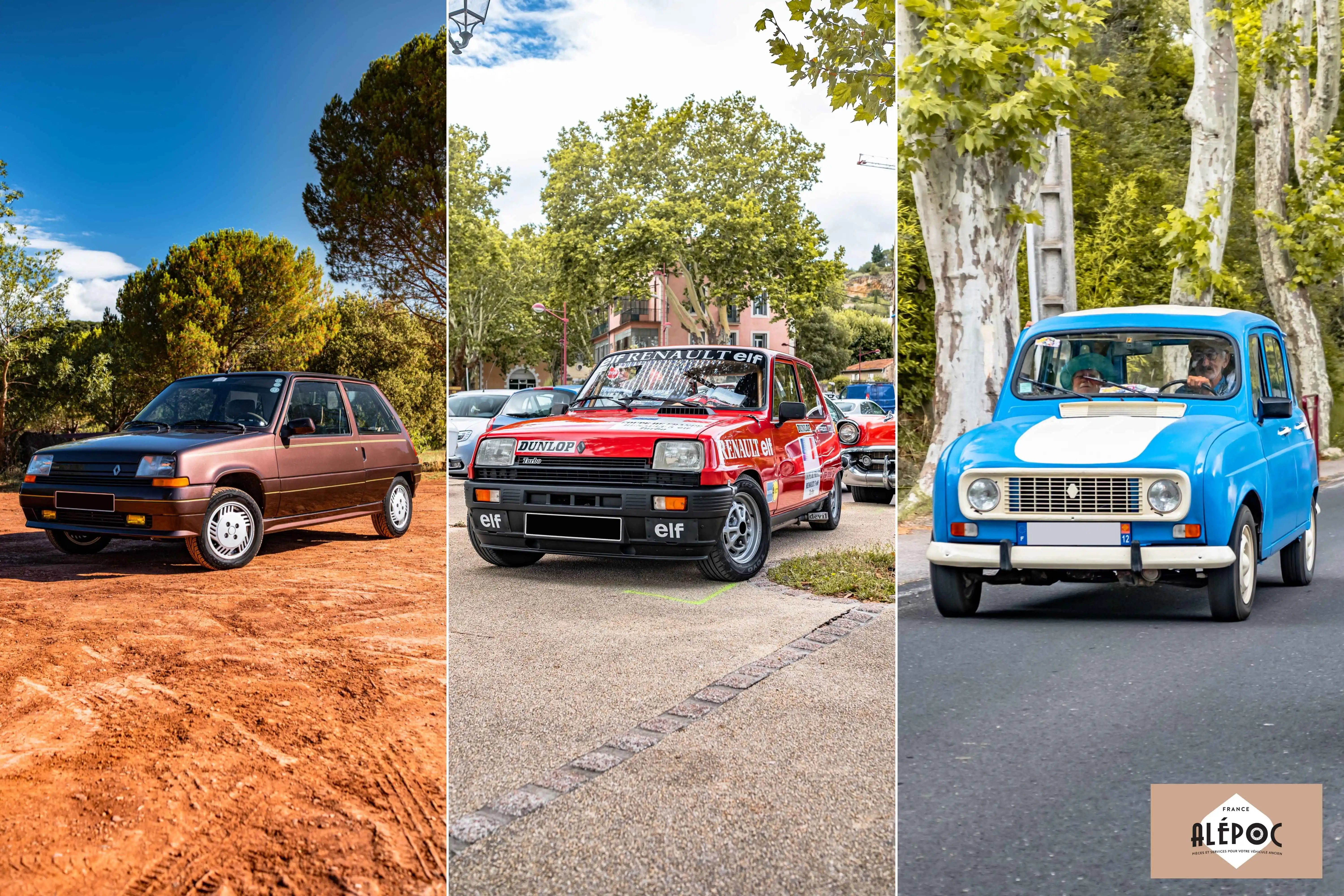
Zenith then became the brand of choice for Renault popular, particularly starting from the Renault Dauphine.
- Zenith 32 IF 2 : available on certain versions of the Renault 5, of the Renault Super 5 (read the Super 5 Baccara test drive here), as well as on the R9, R11, and even the R19. . The gasket kit for this model is available on our website.
- Zenith 32 IF 7 : installed on the Renault 4 Starting in 1983, the R4 Van, as well as certain Renault 5, R6, R12, Fuego, and even the Trafic. The seal kit for maintenance is also available here.
Solex carburetors
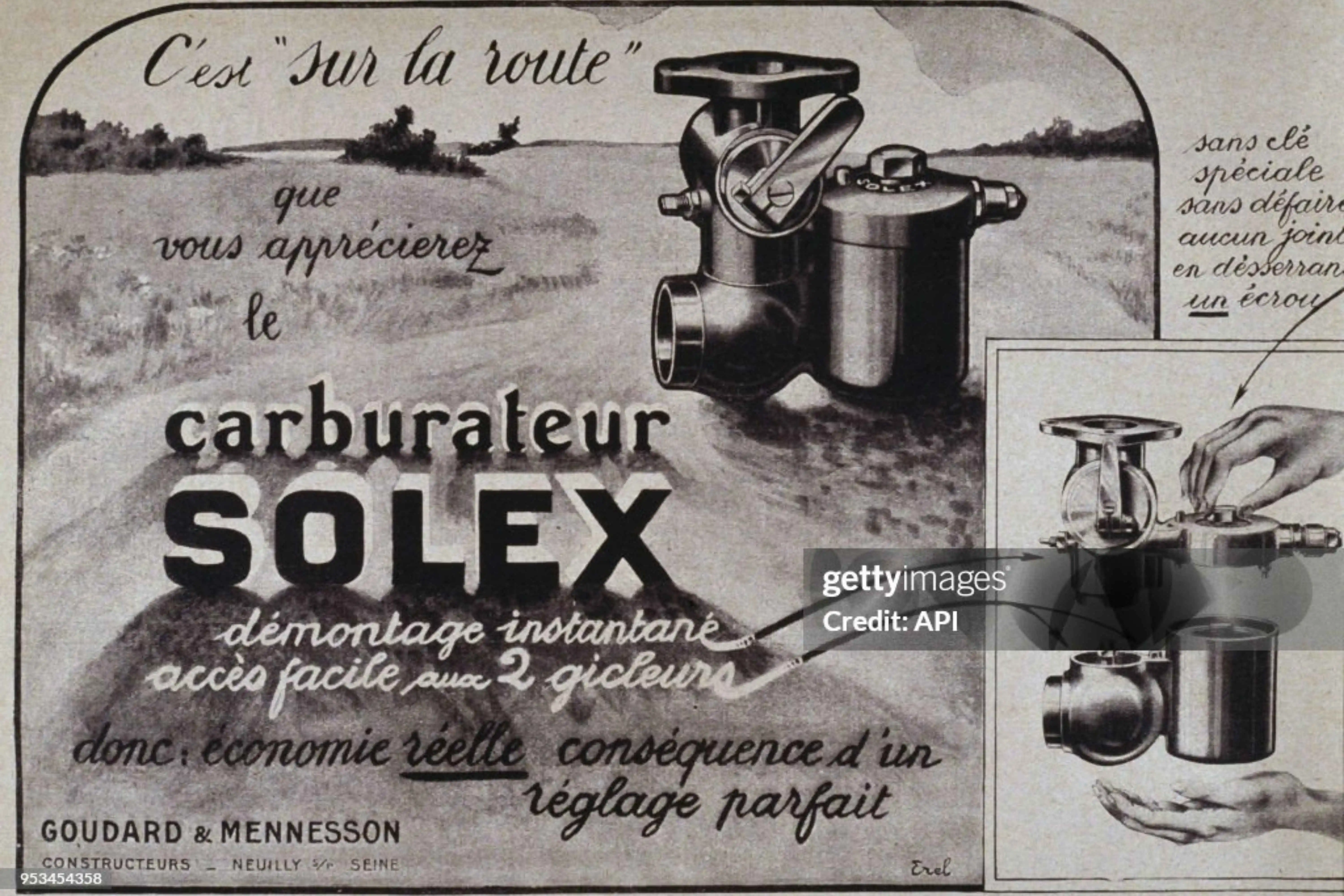
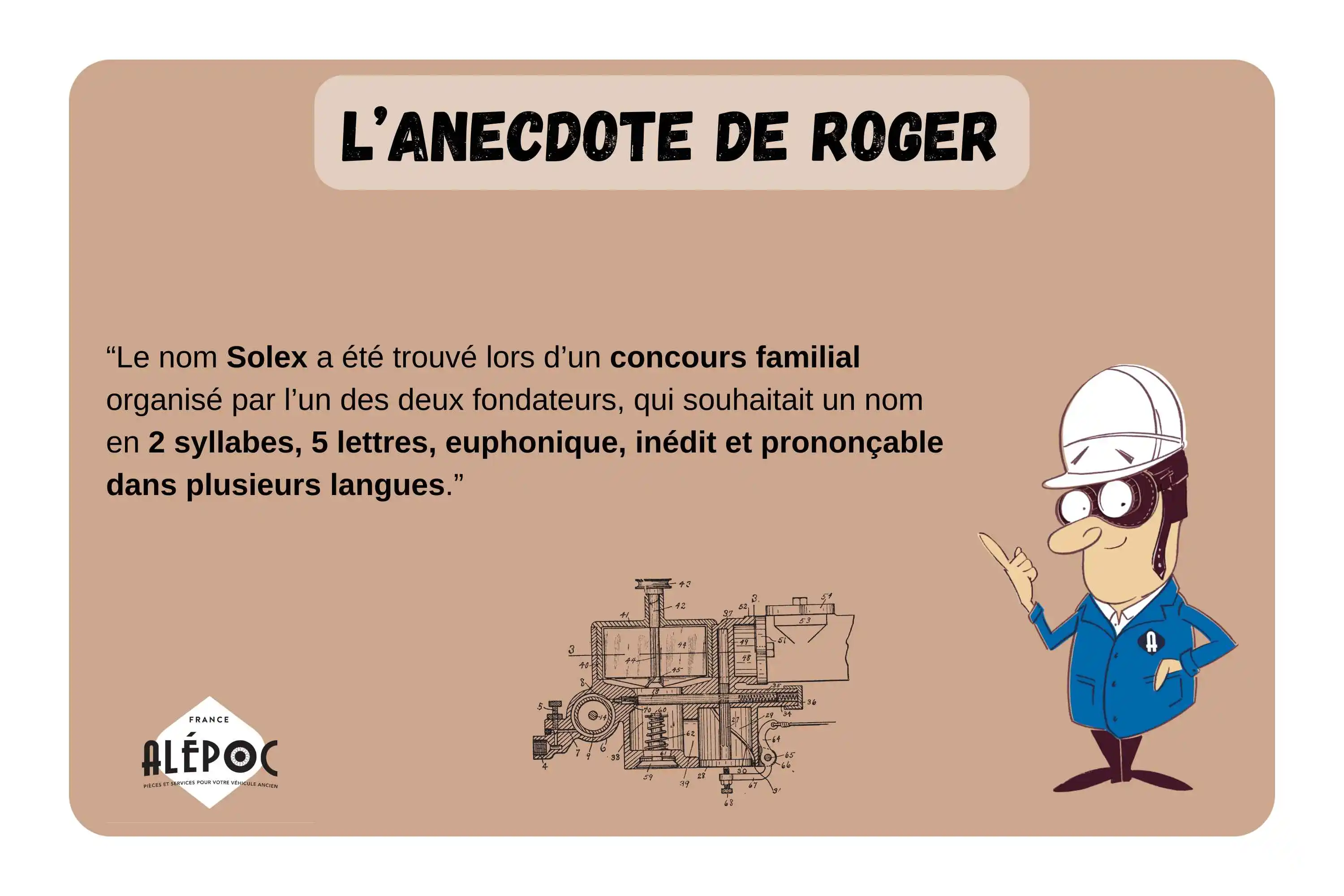
In 1910, another French leader in fuel systems and automotive equipment was founded. Founded by Maurice Goudard and Marcel Mennesson, Solex had a rough start before establishing itself in the market. The turning point came thanks to an in-house invention: the pneumatic micrometer, which makes it possible to produce carburetors that are identical in every way, thereby ensuring that parts are interchangeable.
This consistency in manufacturing, combined with their reliability, has led to Solex carburetors being installed in vehicles from many brands around the world, thanks to a network of subsidiaries located across the globe.
Solex carburetors can be found on the Peugeot, , Renault, , Simca and Citroën. At Alepoc, We offer a wide selection of gasket sets, as well as Solex carburetors for many classic French cars.
If you are maintaining or restoring a Renault classic models equipped with a Solex carburetor—check out our inventory here: link to the Solex selection.
Among our many references, you will find, in particular:
- Solex 22 ICBT Carburetor Gasket (without membrane) for Renault 4CV (View product)
- Solex 32 DISTA / DITA / DITA4 / PDIST Carburetor Gaskets for Renault 8, R10, Caravelle, and Floride S (View product)
- Solex 28 IBT Carburetor Gaskets for Renault Dauphine, Florida, Juva 4, or Estafette (View product)
- Gaskets and Solex 32 EISA / SEIA / EISA4 / SEI carburetor for Renault R4, R5, R6, R8, R10, R12, R14, R18, and Fuego

Peugeot has also equipped numerous models, from the Peugeot 203 at the Peugeot 205, Solex carburetors. If you're restoring a little Lionne, Check out our inventory. . Examples of such references include, for instance, the Solex 34 PBISA carburetor (9, 14) mounted on the Peugeot 204, 304, and 305, whose gasket pack is currently on sale (View product).

Citroën is no exception, with at least one version of every model in its lineup equipped with a Solex carburetor, from the legendary 2CV to the majestic DS. (See the Solex selection for Citroën).
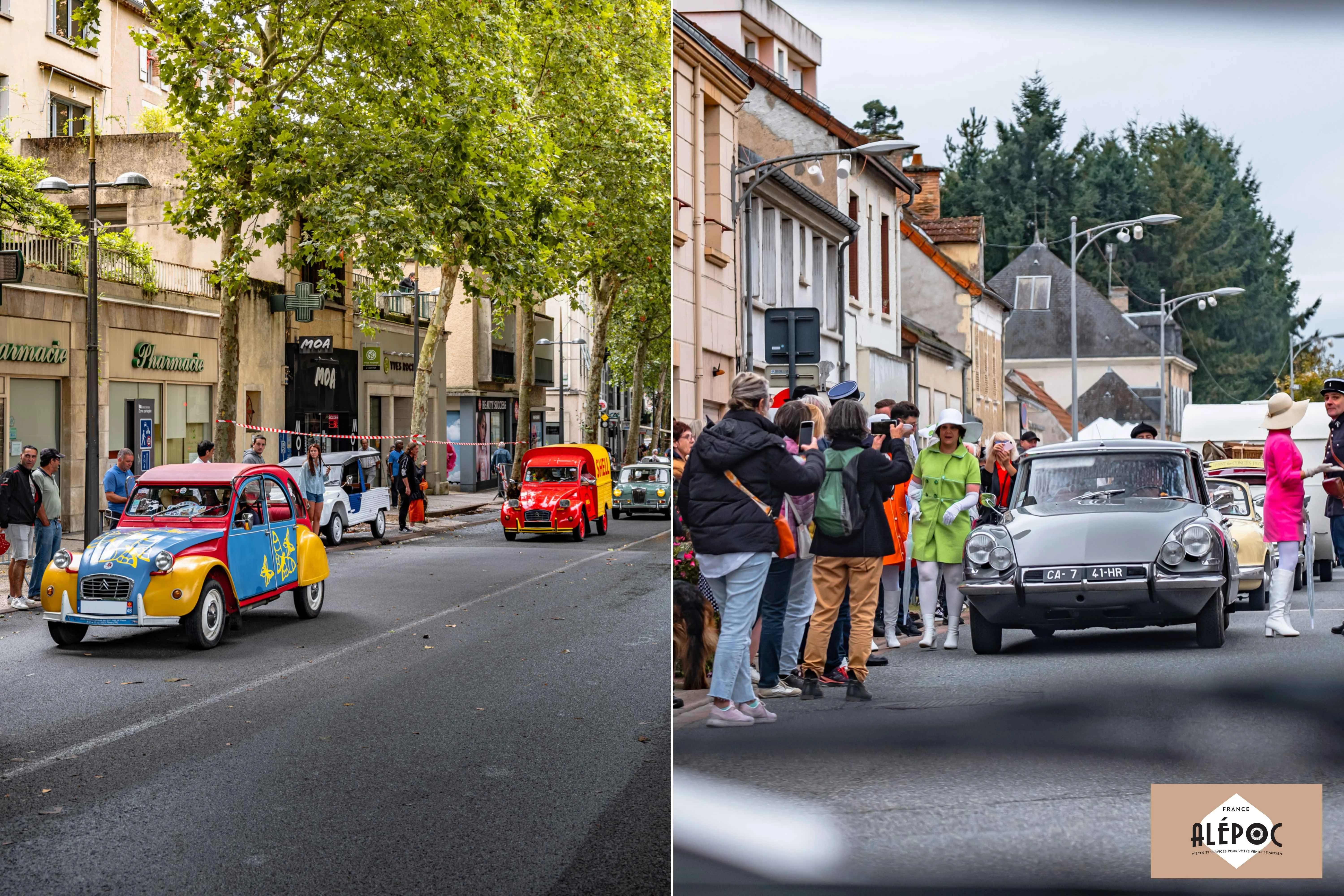
Very popular during the post-war economic boom, Simca also sourced a large portion of its equipment from Solex to outfit its Simca 1000, , Swallow and its models from the Chrysler and PSA eras (See the Solex selection for Simca).
For example, there are the carburetor gaskets Solex 32 BISA (6, 7, 8) and 32 PBISA (11) mounted on the Simca 1100, 1500, Horizon, Talbot Samba…

Weber carburetors
The name Weber sounds like a synonym for racing, speed, and performance. Behind this name lies Edoardo Weber, who founded his company in 1923 to primarily supply Fiat.
An avid racing enthusiast, Edoardo came up with an innovative solution to boost the performance of his race car: feeding each cylinder independently. This idea led to the development of the multi-barrel carburetor, and in particular the double-bodied in 1930. The results speak for themselves: every racing team wanted a Weber.
Recognizable by their iconic trumpets and distinctive sound, Weber carburetors are found on many small sports cars and classic French cars. Notable examples include:
- The Weber 32 DIR : mounted on the Renault 5 Alpine, all Renault TS (R5, R12, R15, R16, R17) and even under the hood of the Alpine A110 1600 (See the gasket kit)
- The last small sports cars with carburetors before the era of fuel injection, such as the Citroën AX Sport and Peugeot 205 Rally (See the gasket kit)

A Simplified Explanation of How a Carburetor Works
The role of the carburetor is to prepare an optimal air-fuel mixture before it is sent to the combustion chamber.
They come in different versions—single-body, double-body—and in various configurations: horizontal, vertical, or inverted.
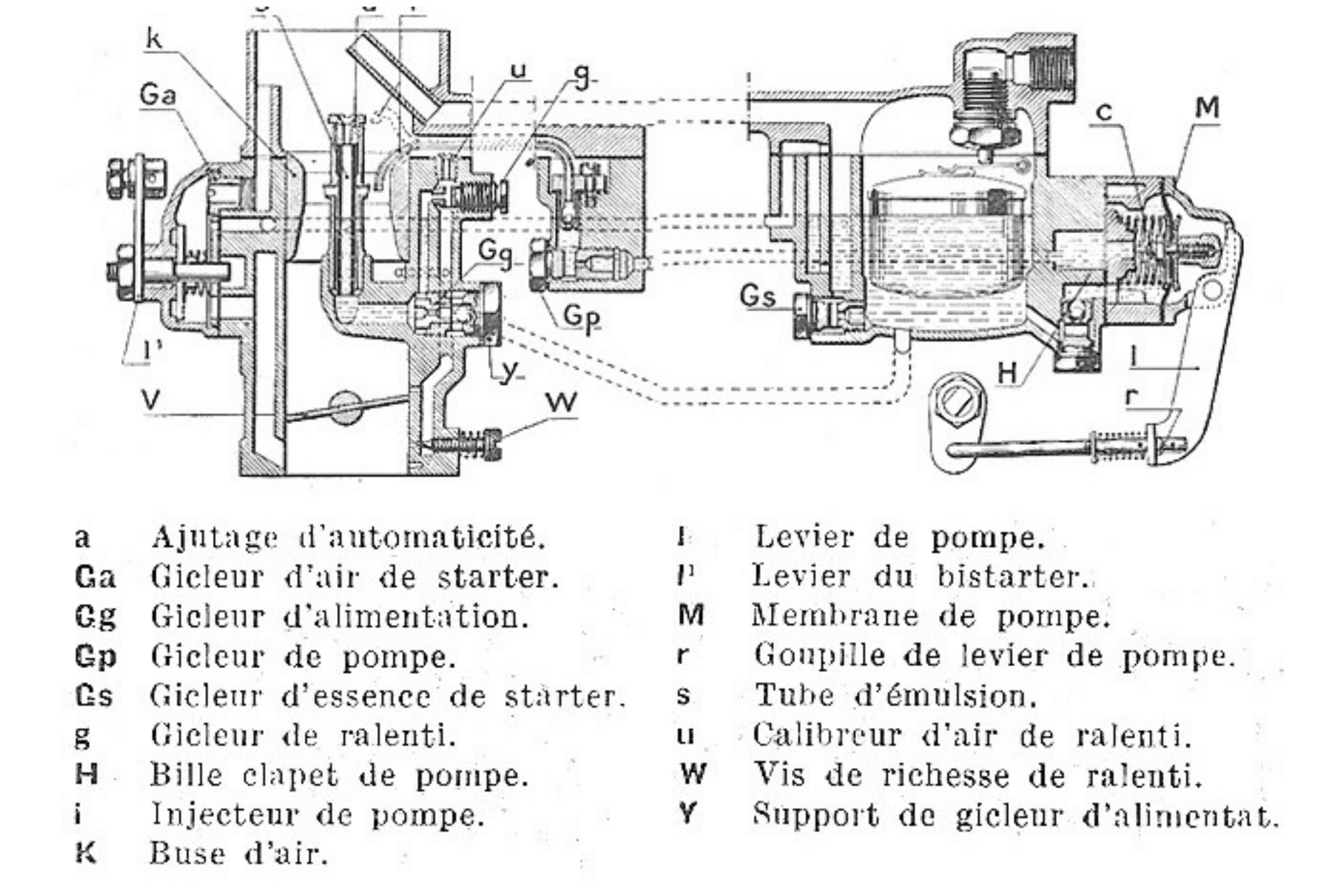
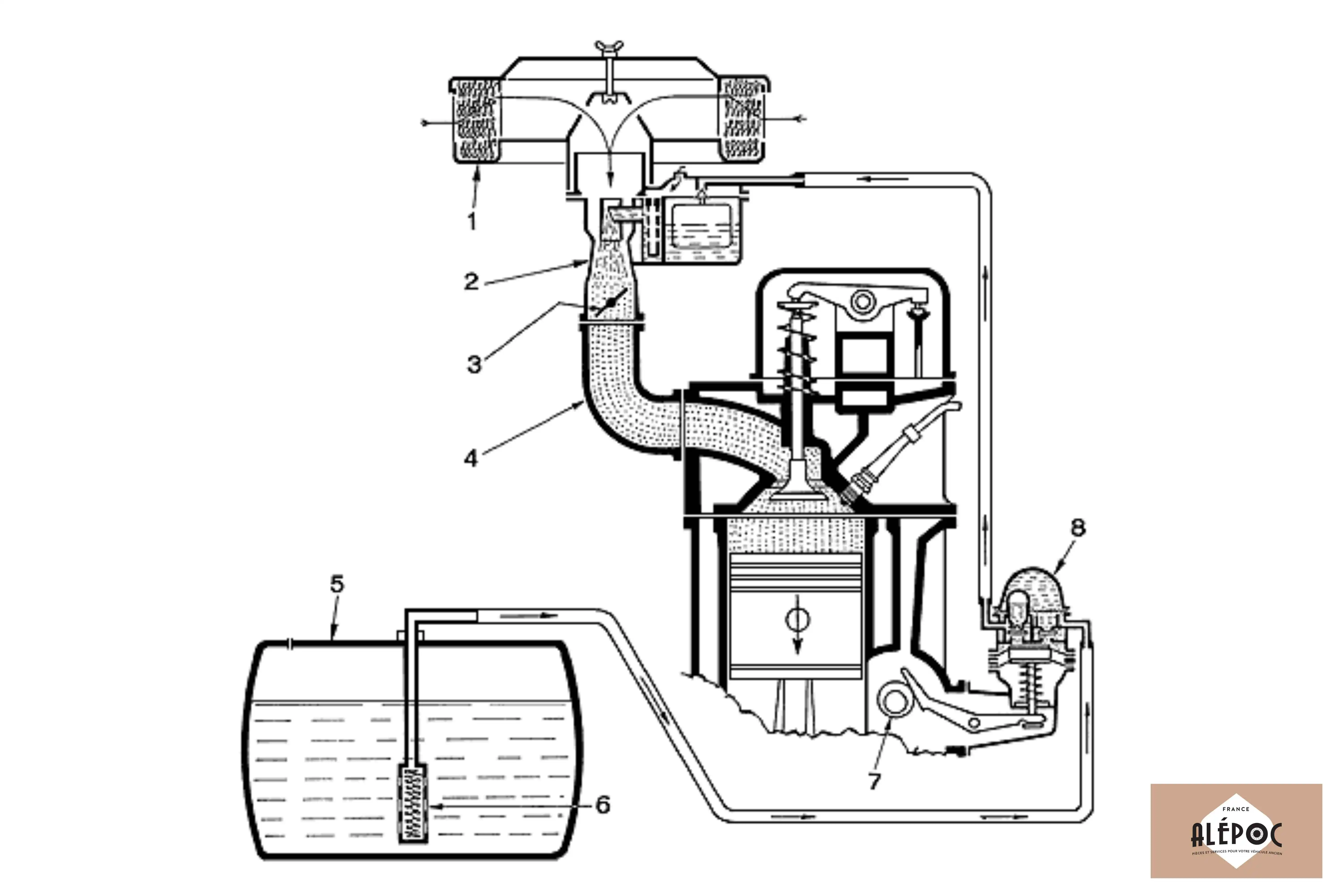
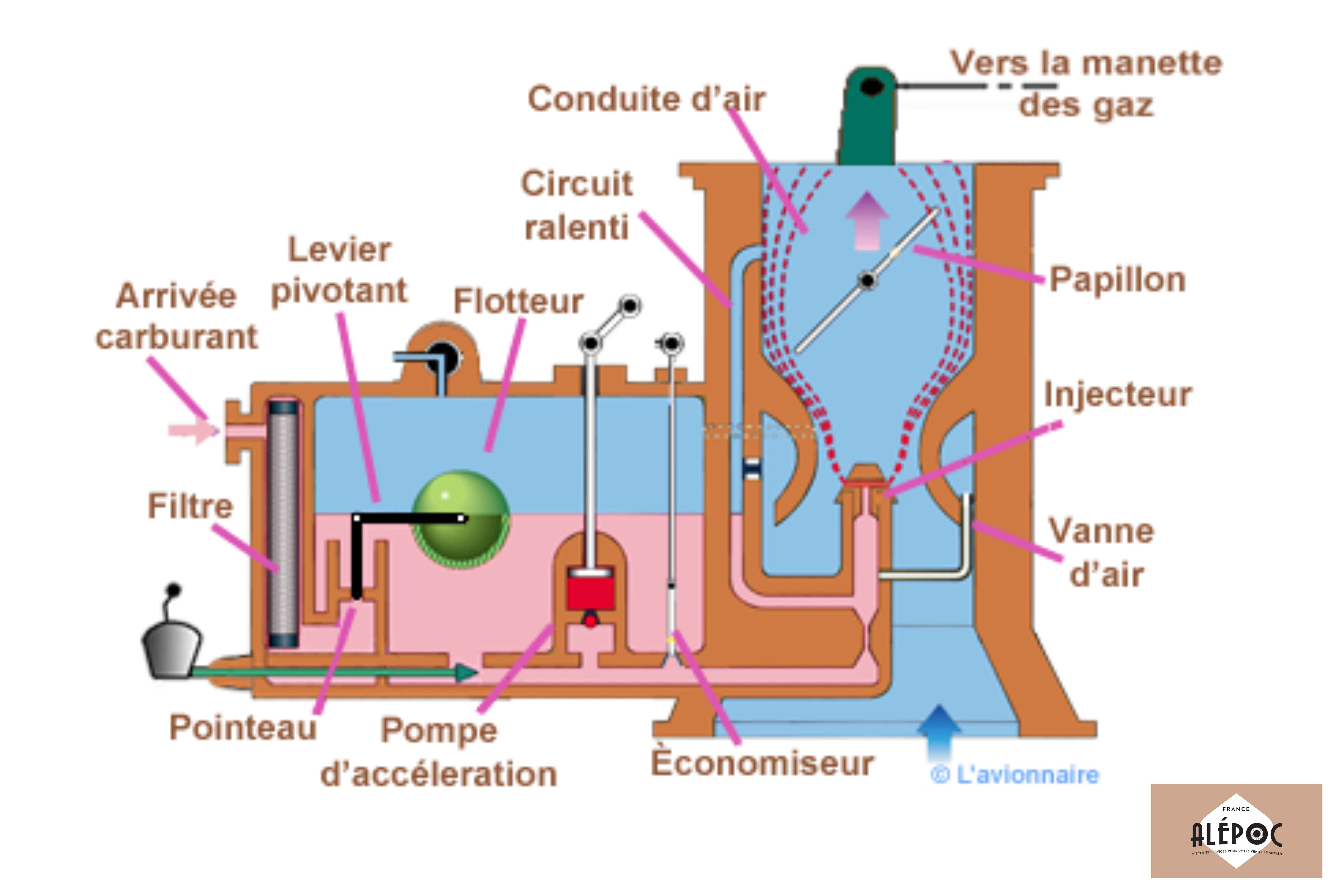
Although it appears simple, its principle is based on the Venturi's principle : As air flows through a constricted passage, it creates a vacuum, which draws in the gasoline from the carburetor bowl to form the air-fuel mixture.
However, an engine does not operate the same way under all conditions. It was therefore necessary to adapt the carburetor to meet the specific needs of the cold start, from the idle and sharp accelerations.
Thus, a carburetor generally has two circuits:
- An idle circuit at low engine speeds
- A main circuit which takes over as the intensity increases, aided if necessary by a return pump during rapid acceleration
How it works
- Gasoline from the fuel tank passes through a filter before entering the carburetor bowl. The level there is regulated by a float and a needle valve, which opens or closes as needed.
- Air is drawn in from outside, filtered, and then enters the carburetor in varying amounts depending on the throttle position. The throttle valve controls this air intake.
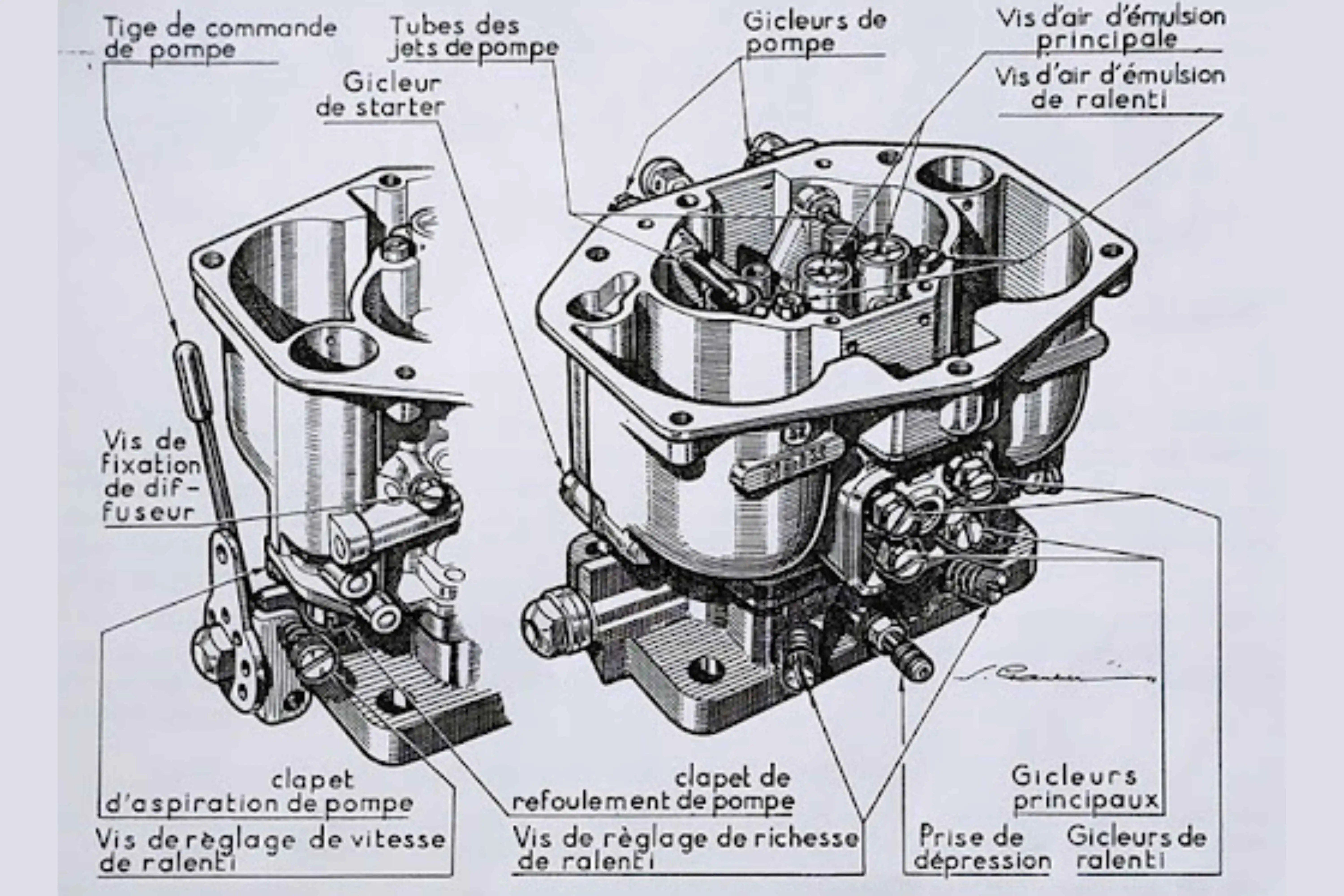
- Air flows through the diffuser, creating a vacuum that draws gasoline through the nozzles.
- During a cold start, a device starter enriches the fuel mixture to facilitate ignition.
The goal is always to produce a mixture that is as uniform as possible in order to avoid the problems associated with a mixture too rich (excess fuel) or too poor (excess air).
Fuel mixture problems: how to identify them
Reliable and seemingly simple, the carburetor nevertheless requires careful adjustment to prevent engine damage.
If you notice any of the following signs, don’t wait to service your carburetor… but also check your engine, as these symptoms aren’t limited to it:
- Difficulty starting
- Holes during acceleration
- Uneven idling
- Excessive fuel consumption
- Black smoke coming from the exhaust
Regular maintenance of your car's carburetor is essential to prevent serious damage to the engine. Follow our guide to learn about best practices.
How do you maintain your carburetor ?
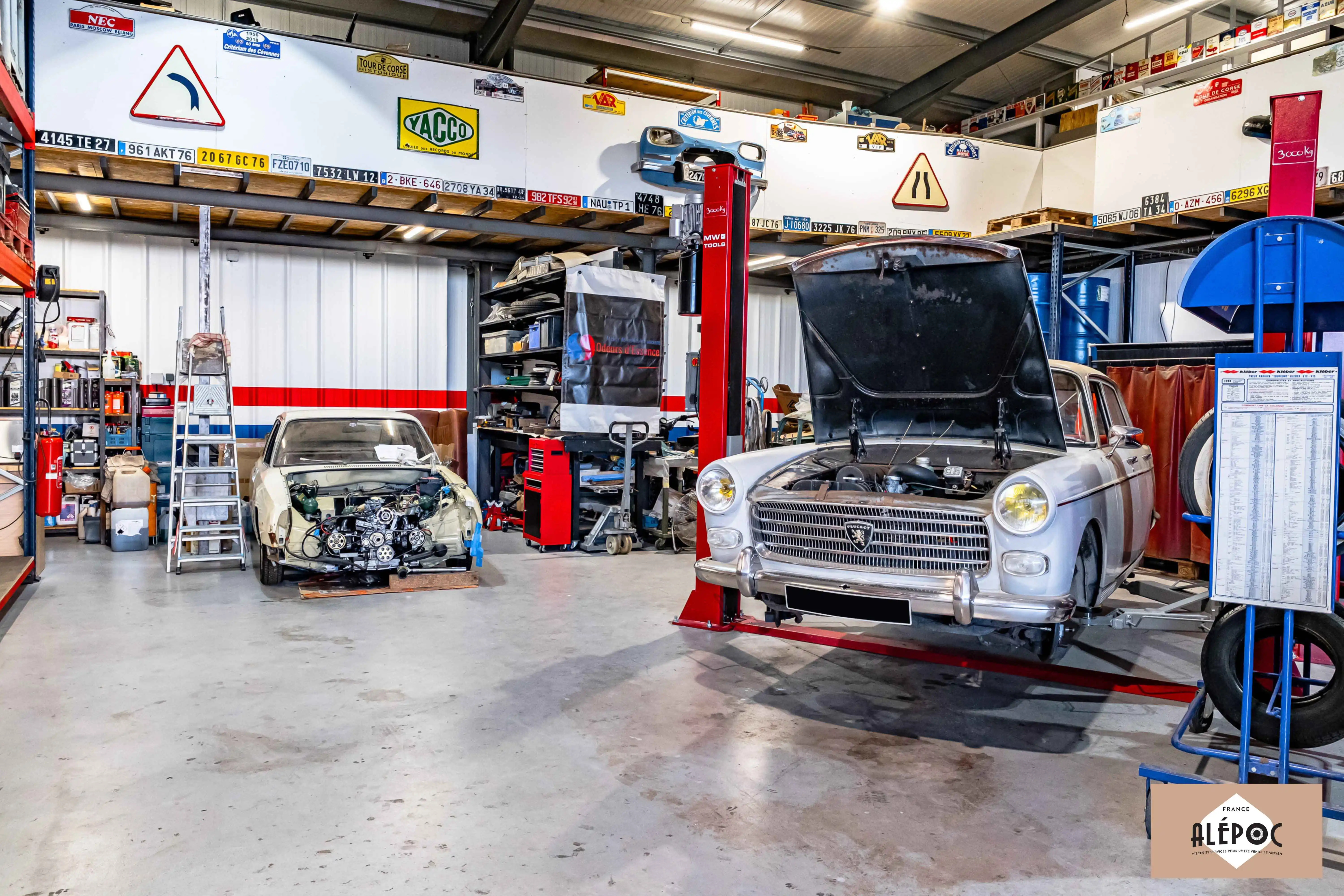
Maintain and clean regularly Its fuel system helps keep your French car running for as long as possible.
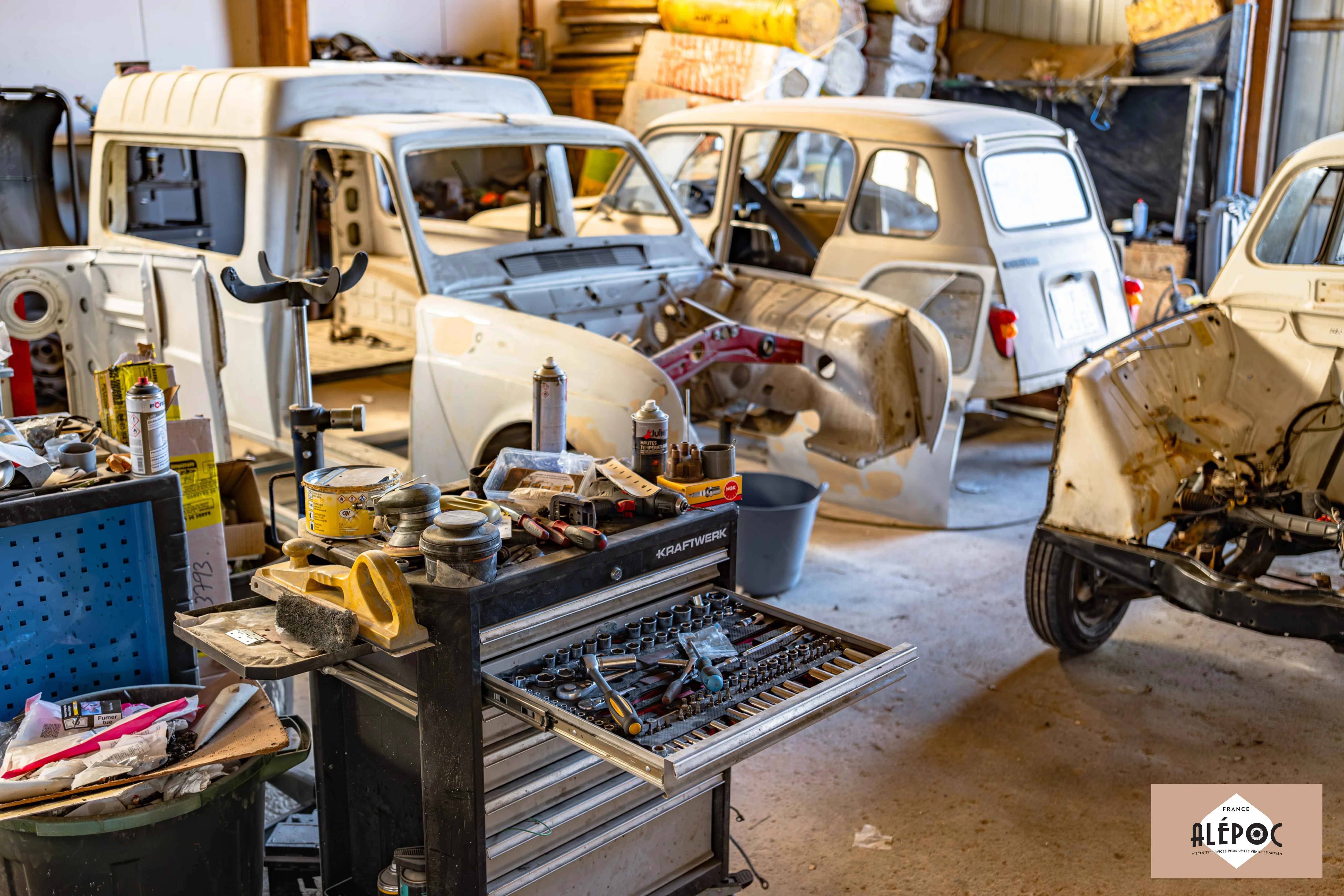
The goal is to disassemble the carburetor piece by piece in order to clean it thoroughly.
Maintenance steps:
- Log out the carburetor's throttle and choke cables.
- Remove the air filter, and take this opportunity to clean or replace it if necessary.
- Clean parts using gasoline or a specific carburetor cleaner.
- Check Check the condition of the seals regularly and replace them using our seal kits, which are available for many models.
- Reassemble carefully check everything.
- Adjust the jets and the mixture screw to optimize the air-fuel mixture.
⚠️ Reassembly and adjustment require great care to prevent damage and ensure optimal fuel delivery. If you have any doubts, don’t hesitate to have your trusted mechanic handle this for you.
Carburation: A Symbol of an Era
Long adored and widely adopted, The carburetor has kept pace with developments in the automotive industry to hone their skills, constantly striving to deliver the best performance, including in racing engines.
It was this very development that ultimately led to its demise: the adoption of European emissions standards and the introduction of the catalytic converter sacrificed on the altar of electronic fuel injection.
Today, the carburetor remains a symbol of a bygone era, when cars were more temperamental, but when one could master time and mechanics at will.
Maintaining the carburetors of these popular cars means preserving a living heritage and passing on, along with the vehicle, the skills that go with it.
Check out our other technical guides:
- History and Evolution of Braking on Peugeot former
- Cylinder head and piston assemblies: a history of engines

Published on
03-09-2025