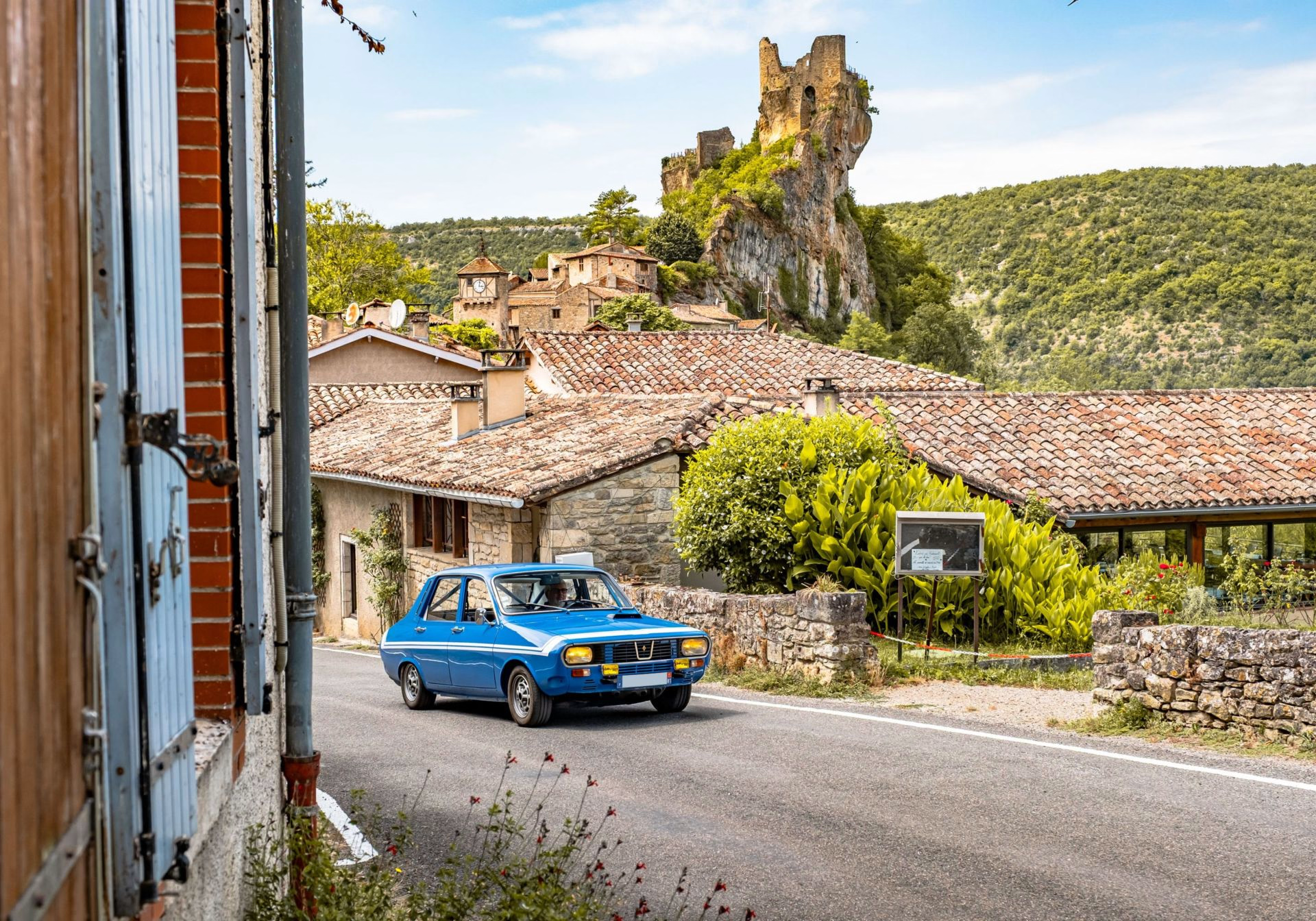
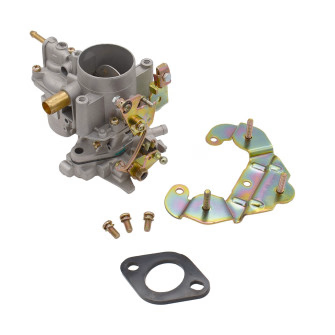
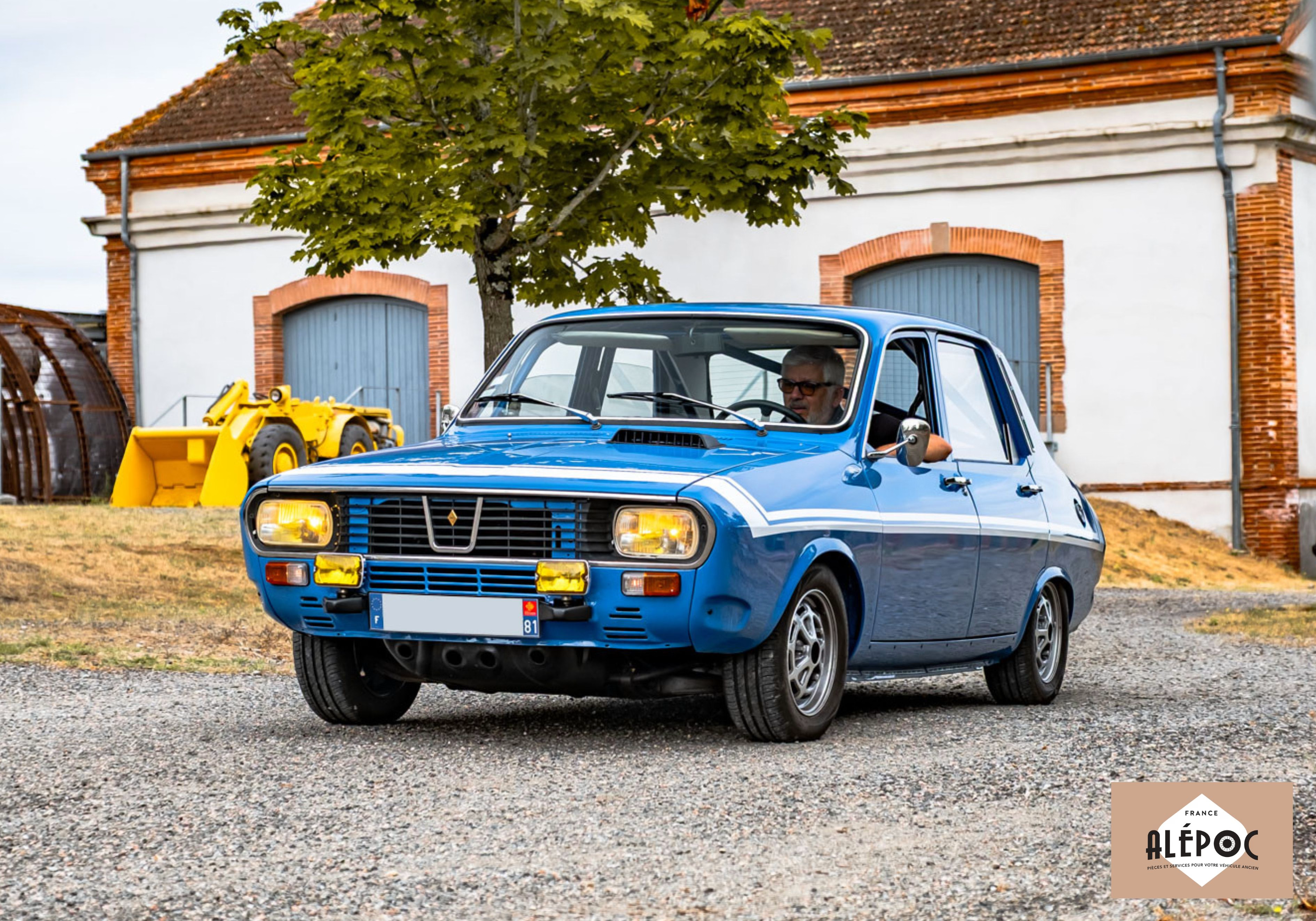
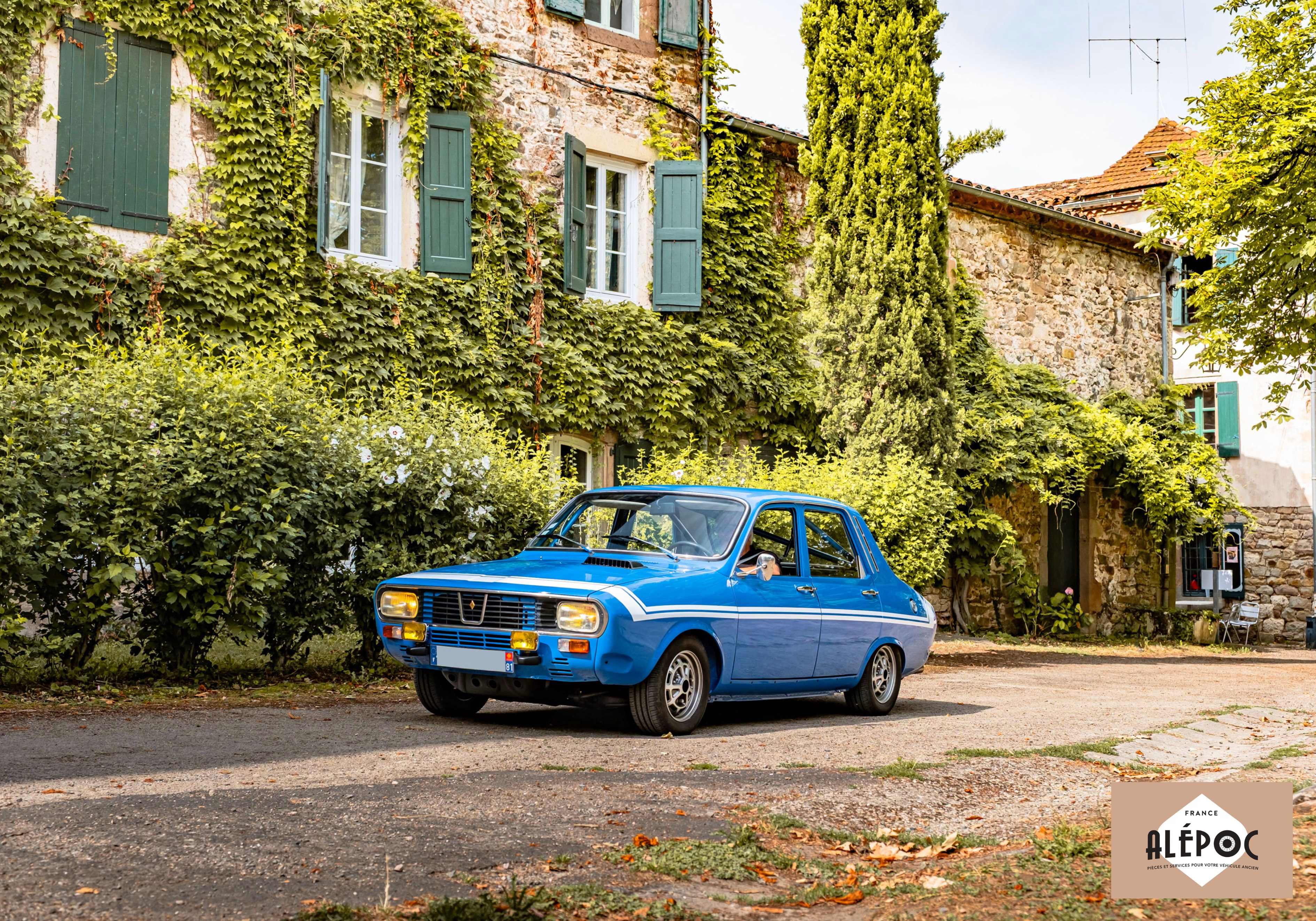
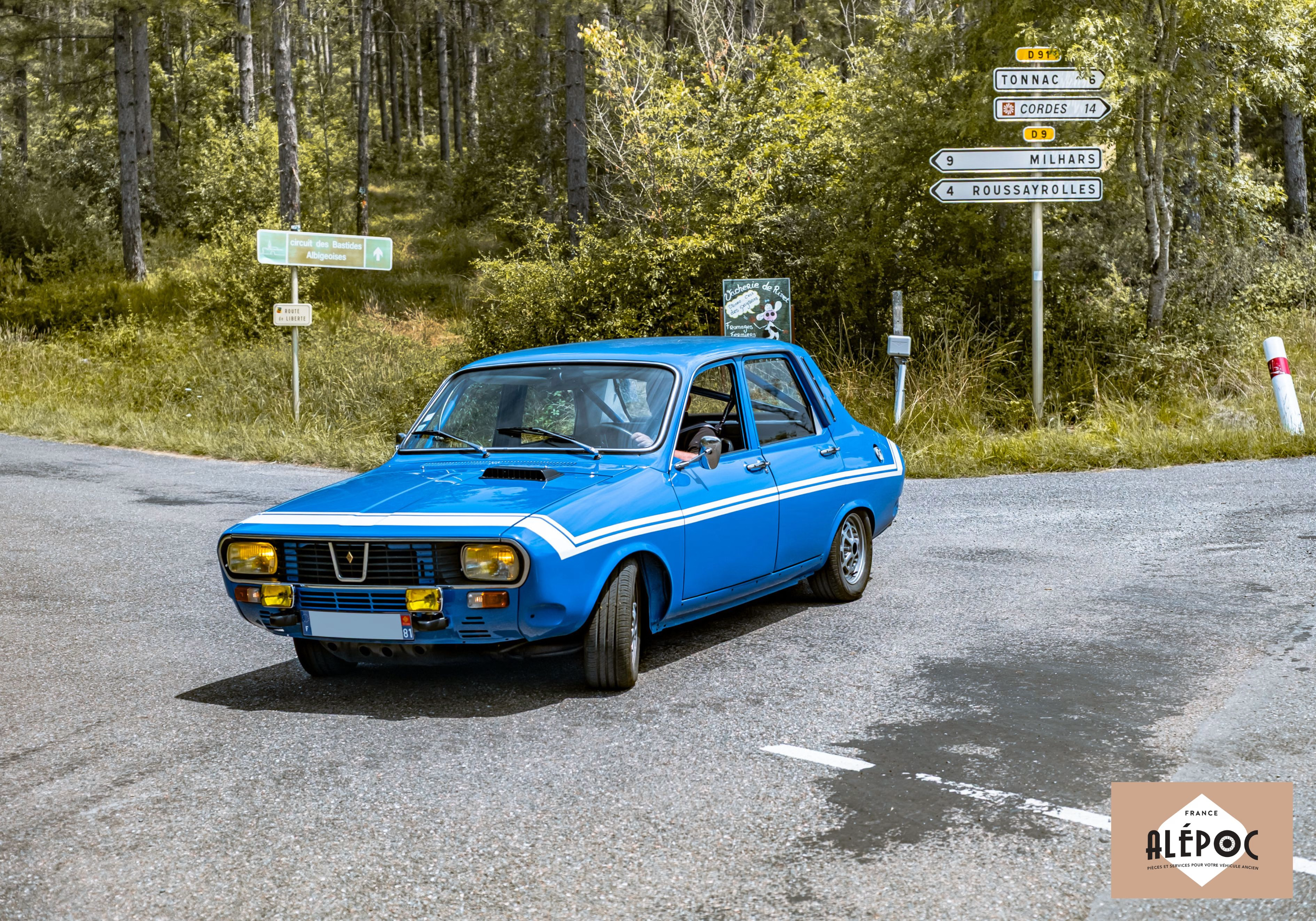
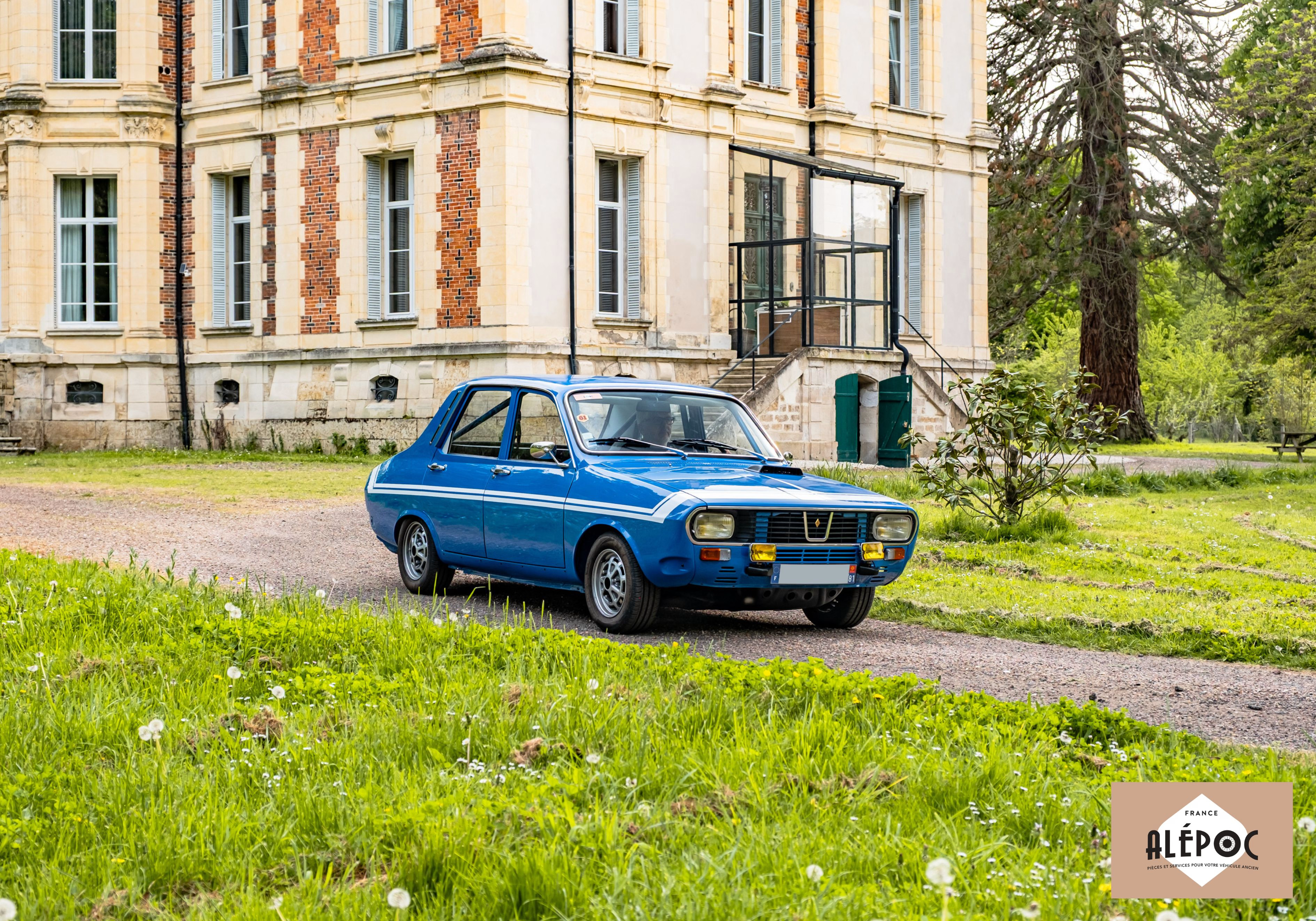
Blue, bumper-free, with a roll bar bolted into the cabin and a long reach to its nose: the Renault 12 Gordini is nothing like a family saloon. We took it out on the small roads of the Tarn, from Blaye-les-Mines to Puycelsi, to understand why this popular French car makes everyone who crosses its path… and everyone who drives it… fall for it!
A bit of history: from the R12 to the Gordini
The Renault 12 was introduced in 1969 to succeed the Renault 8 and complement the Renault 16. It adopted a very modern architecture for its time: front-wheel drive, front disc brakes, and a sober, efficient three-box body penned by Gaston Juchet. It quickly became a champion of the road for families, selling in the hundreds of thousands and also being built abroad, notably in Romania under the name Dacia 1300.
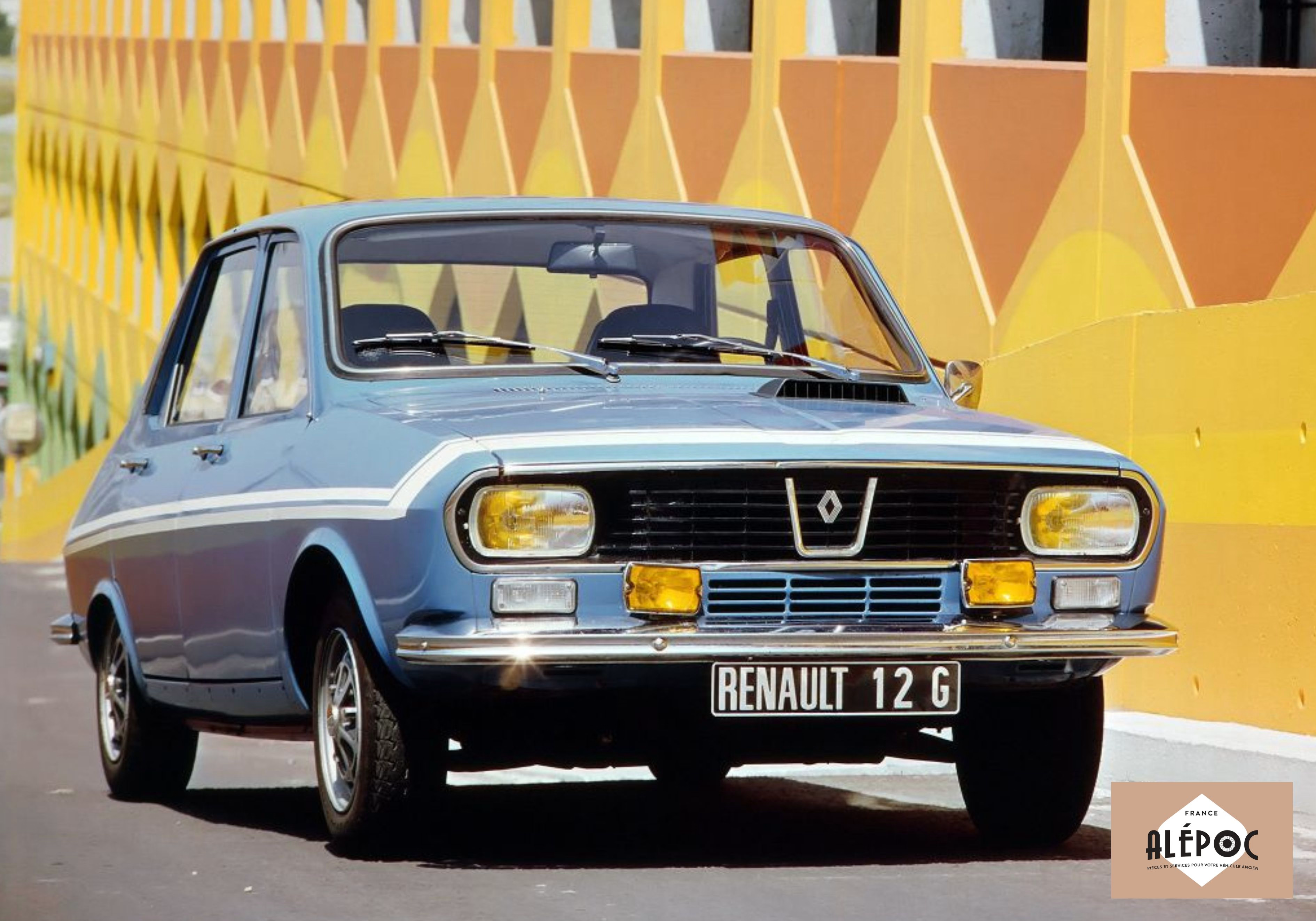
Renault also knew that its customers wanted a bit of spice. The brand had already tasted success with the Renault 8 Gordini, those little blue bombshells with white stripes that gave rise to legendary drivers on both track and rally. Amédée Gordini, nicknamed "the Sorcerer," turned ordinary Renaults into racing cars as lively as they were charismatic. (read R8 Gordini: 60 years of the popular sporting legend)
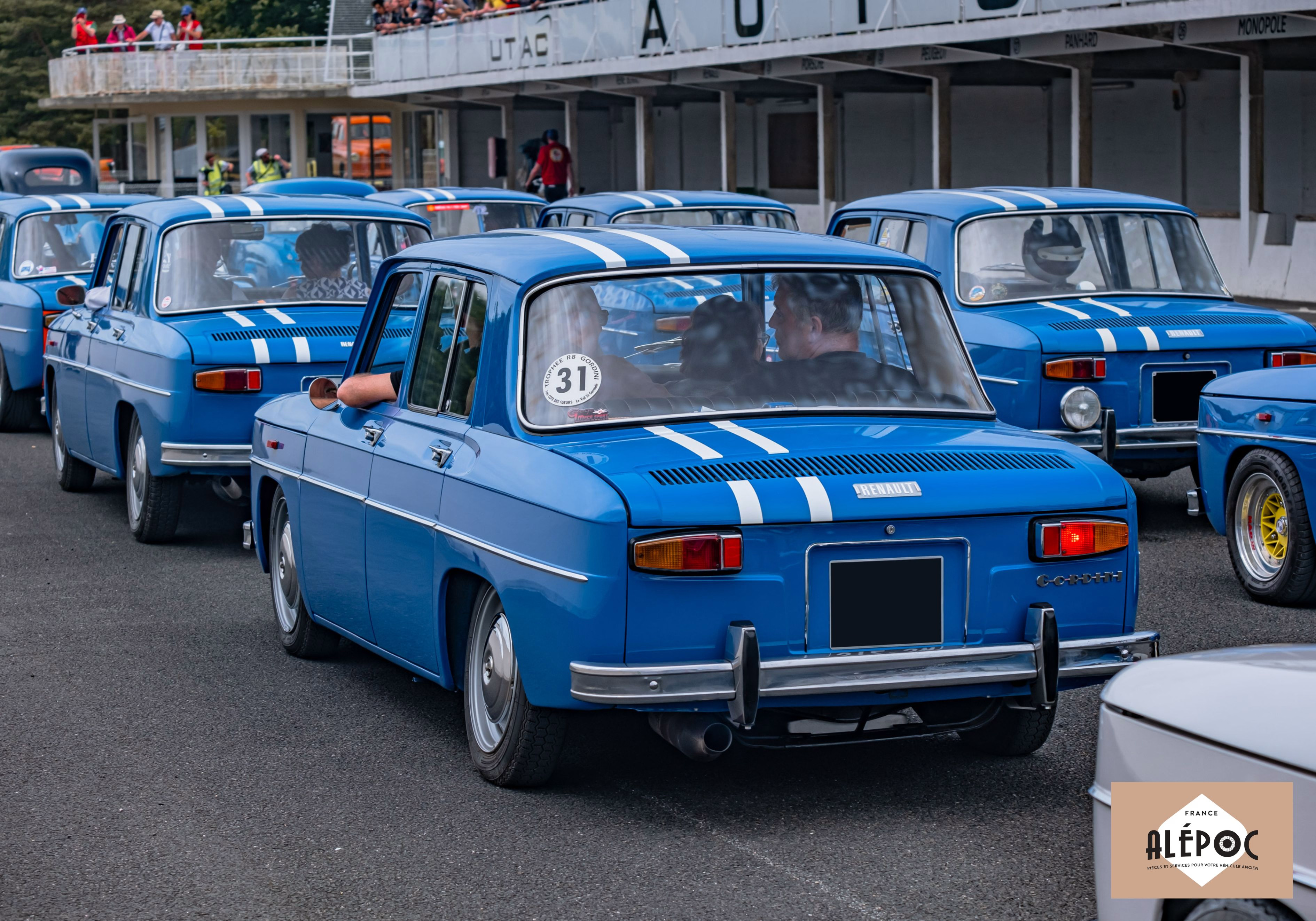
In 1970, the R12 got its own touch of magic. The engine grew to 1,565 cc and was fed by two double-barrel Weber carburettors. Power climbed to around 113 hp DIN. The gearbox gained a fifth ratio. The car sported the blue Gordini livery with its white stripes, along with specific wheels and a sportier cabin. It was a family saloon that discovered a sporty streak of its own, capable of flirting with 185 km/h.
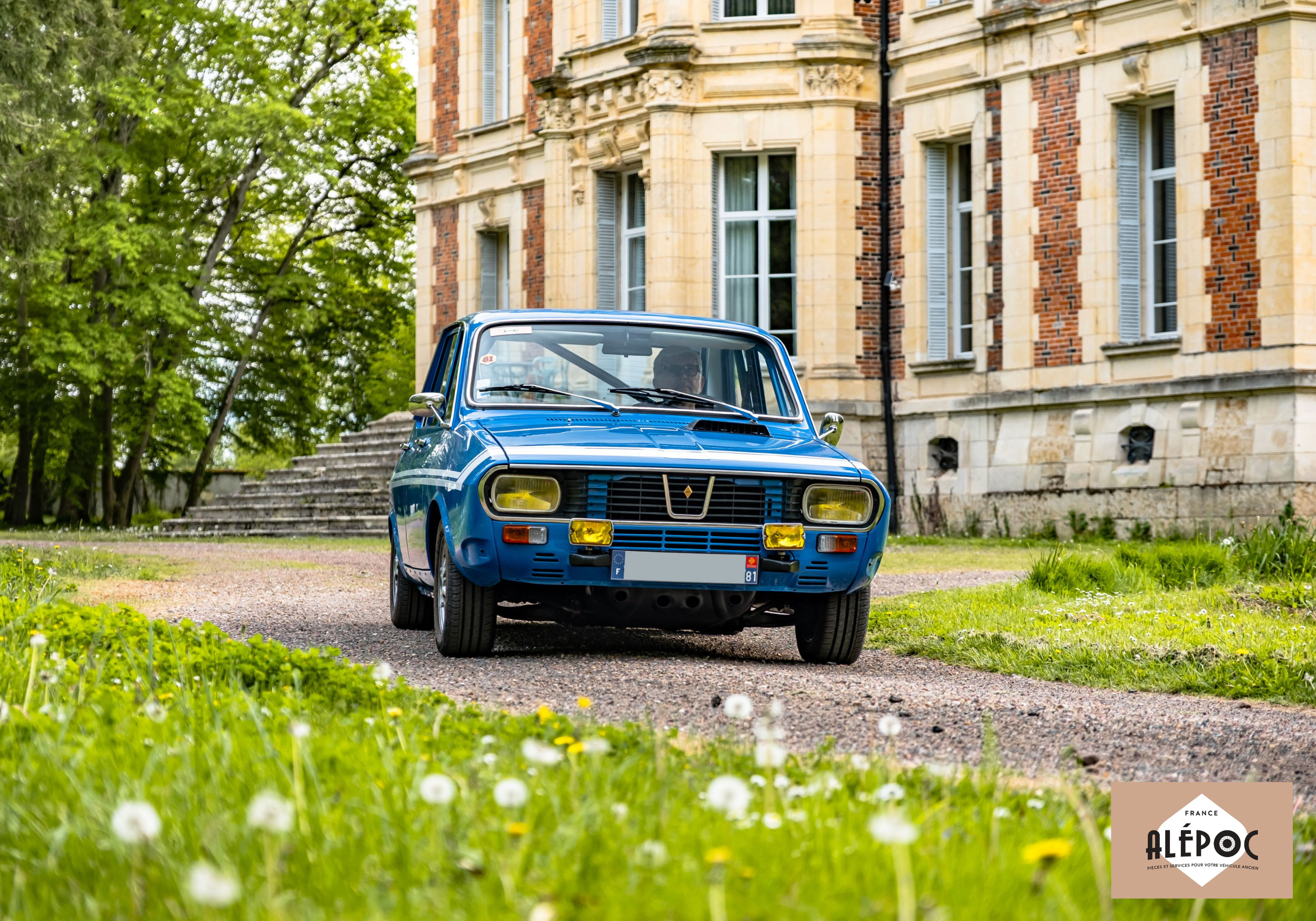
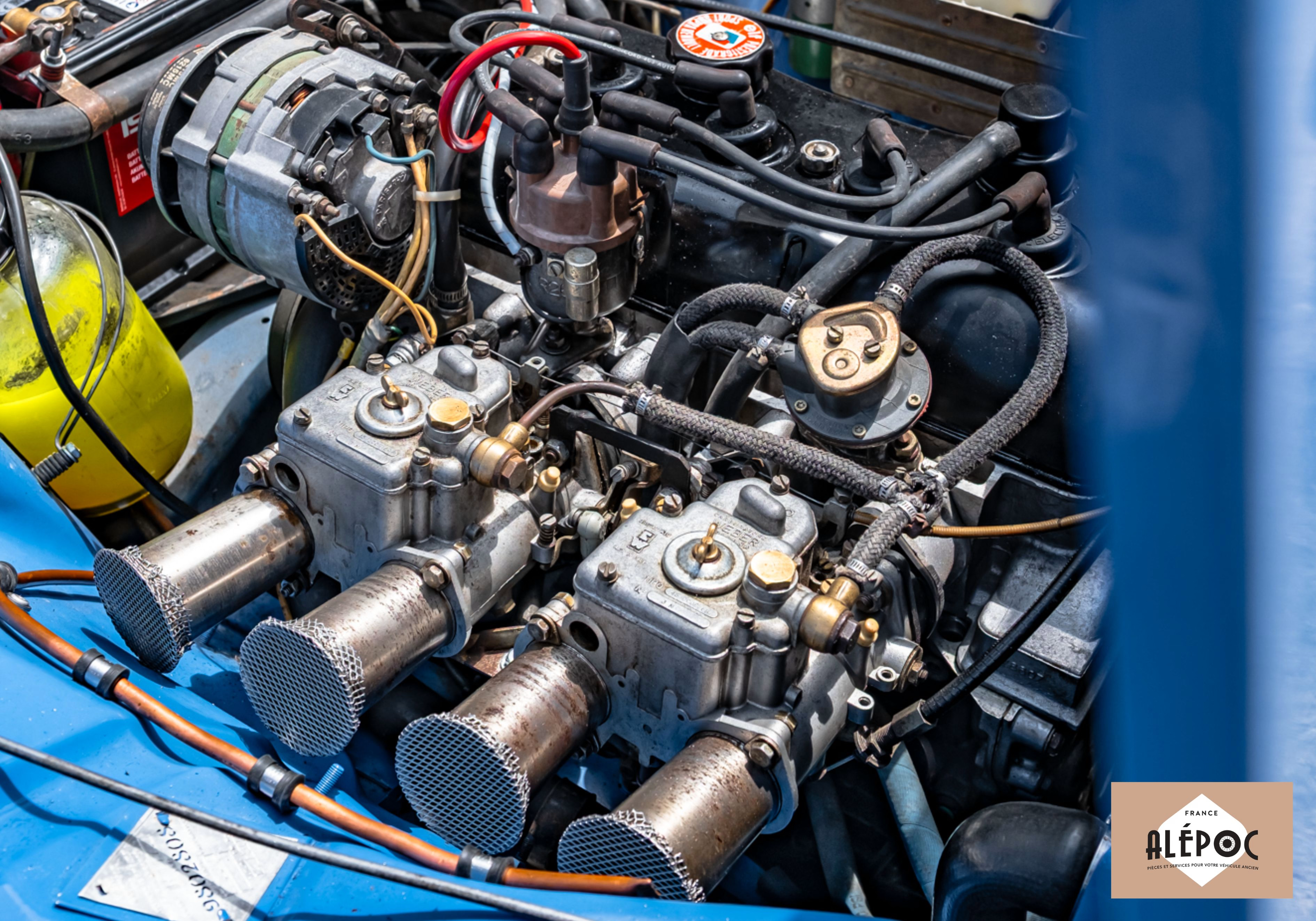
The "coupe Gordini" version, the one we're focusing on here, carries this spirit even further. It draws inspiration from the racing cars of the Coupe Gordini series: roll bar, weight savings, no bumpers. This isn't a car for popping out to buy bread—it's a car built purely for pleasure. It has, in fact, become the emblematic car of ALEPOC, since it embodies everything we love: a popular, accessible model that keeps alive the spirit of an era when people dared to be bold.
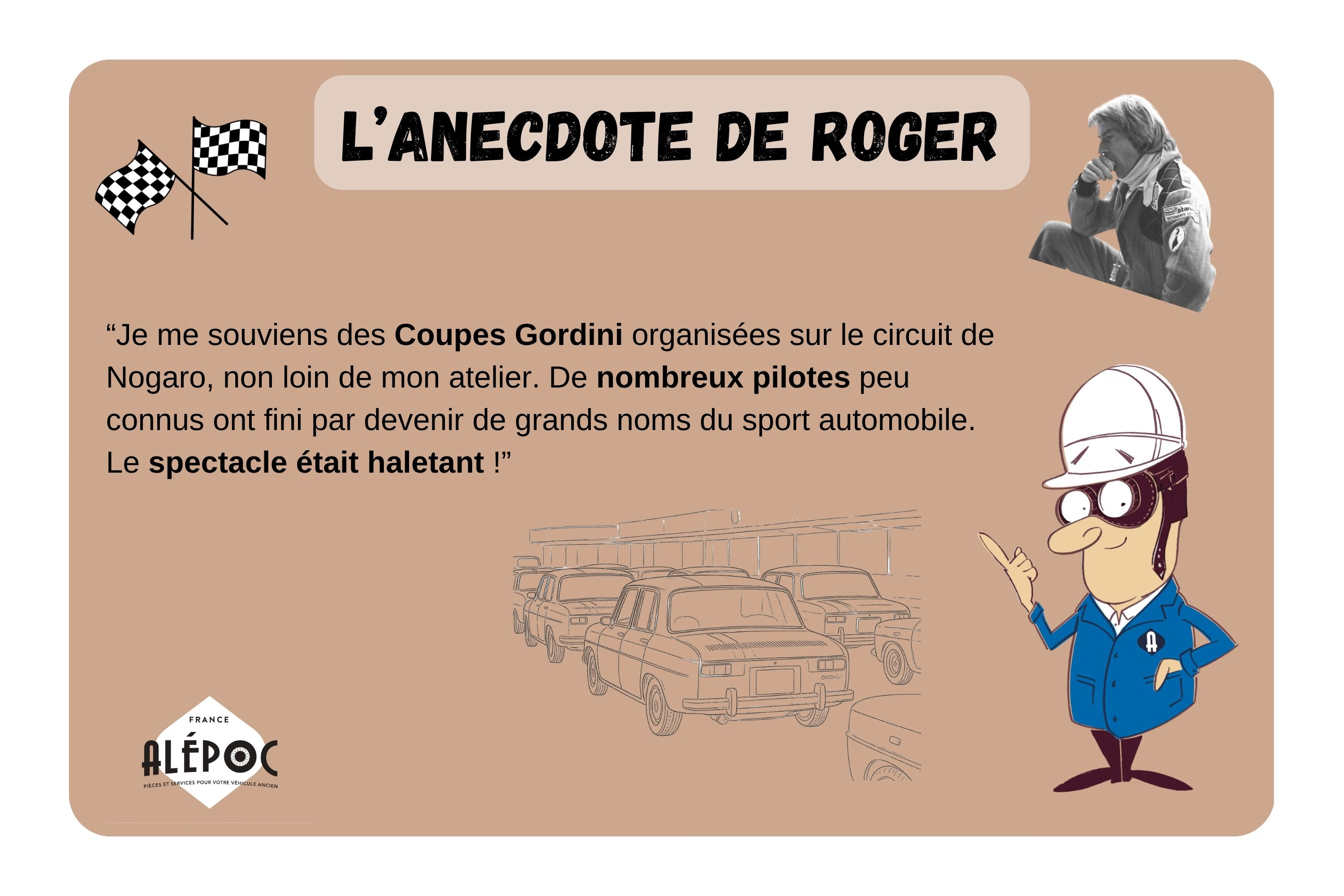
Road trip through the Tarn: between sport and heritage
There are cars you look at. And there are cars you listen to. The R12 Gordini does both before the first hill even comes into view. It's barely parked outside when a passer-by stops, a smile already spreading across their face. "A Gordini! My uncle had one, he used to wash it every Sunday."
It's a sentence you hear time and again. It sums up the sheer likeability of a popular French car from the '70s. Nobody gives you a sideways glance. People wave, give a friendly honk, ask if it "runs well." And it runs very well indeed.
Blaye-les-Mines, our first encounter with the past
For this road-trip test drive, we set off from Blaye-les-Mines, a corner of the Carmausin shaped by coal mining. The mining museum reminds us of what the region demanded of its men, and you quickly feel a touch of humility there. The landscape still bears the scars of mining: the vast open pit, the slag heaps, the old metal buildings.
Parked in front of the museum, the Gordini has a curious effect. It belongs to the same era as those who worked here—a time when people bought their first car with their first steady wage, and it became a source of pride, a tool, and a Sunday pastime. The R12 was designed for them. It's a popular car in the noblest sense of the word: sturdy, spacious, easy to live with. The Gordini, meanwhile, was the spark offered to those who craved a bit of fun.
Behind the wheel: nervy, vocal, surprisingly modern
We're always too quick to talk about classic cars as being "old-fashioned." The R12 Gordini shatters that cliché within the first few kilometres.
The 1,565 cc four-cylinder producing 113 hp DIN sings—it's nothing like a saloon-car engine. The carburettors draw in air greedily, the exhaust growls without being aggressive. At idle, it's a sporty murmur. Above 4,000 rpm, the voice hardens and the car pushes forward eagerly. You get the feeling you're driving something much lighter and livelier than its three-box silhouette would suggest.
The steering is direct, the nose settles onto its line without argument, and the front-wheel drive gives that sense of security that the propulsion-based sports cars of the era often couldn't boast. True, you need to anticipate weight transfer when entering tight corners to avoid understeer, but the R12 Gordini rewards drivers who steer with precision rather than brute force.
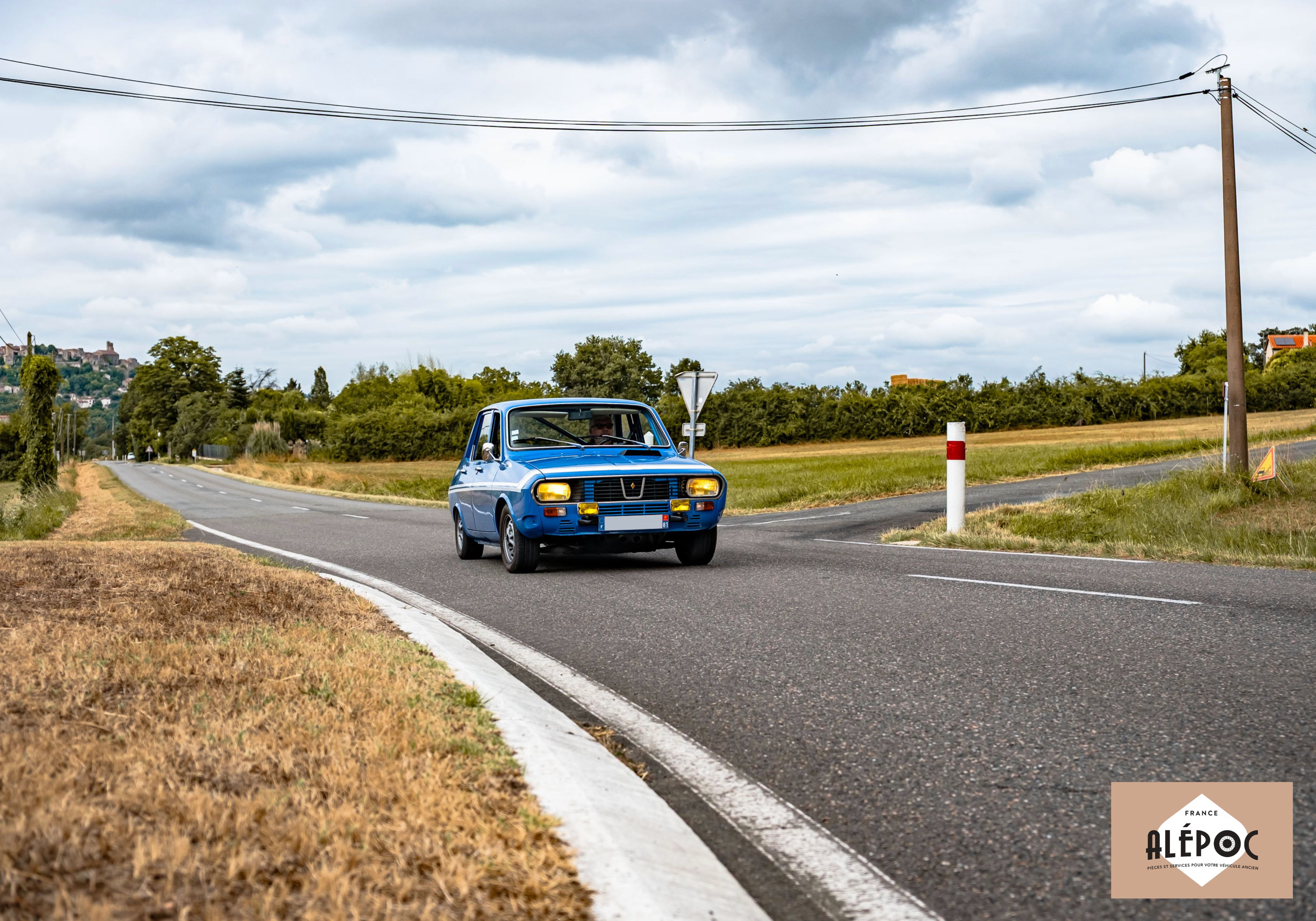
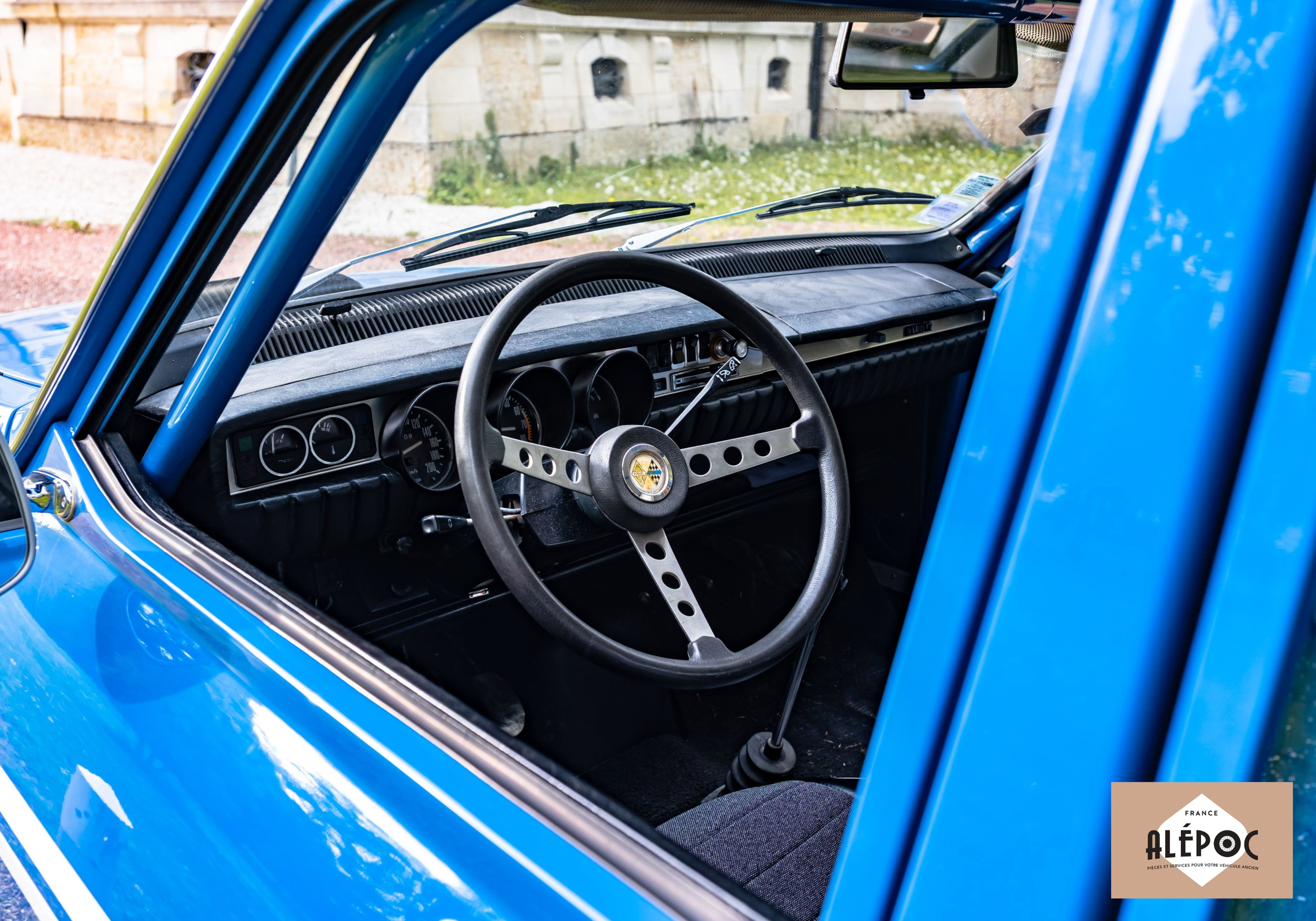
And then there's the gearbox. The floor-mounted lever, with its five ratios, sits perfectly in hand. In this roll-bar-equipped version, the body is stiffer, and you can feel it in the precision of the controls: gears slot in without much fuss, with just that hint of mechanical resistance that's so satisfying. The disc brakes at all four corners, ventilated at the front, do the rest. They transform a 1972 car into an almost modern machine to drive. After a rather long descent, you can still brake with complete confidence—a real luxury when tackling winding departmental roads.
Discover our spare parts for your R12's braking system
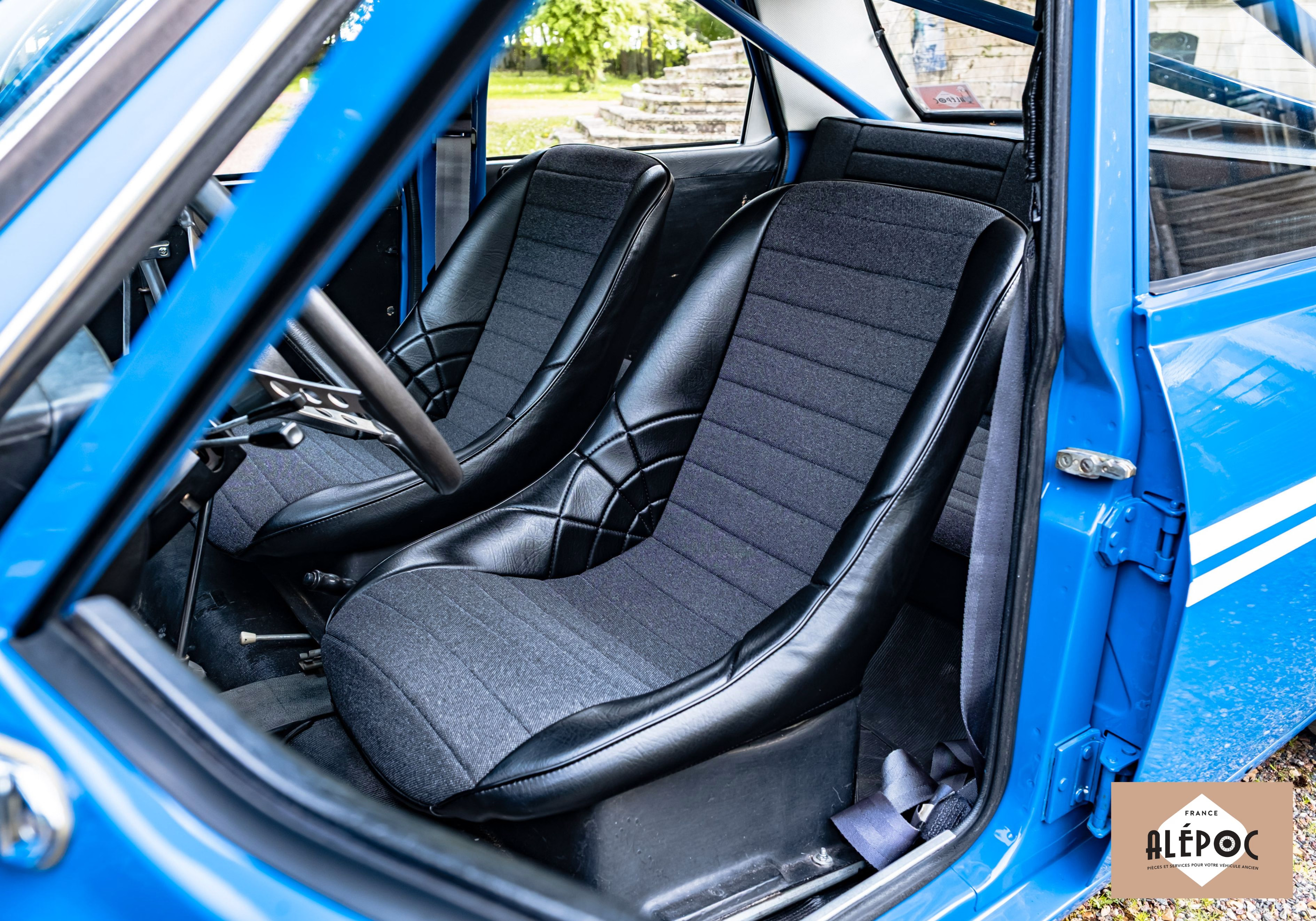
The cabin feels like that of a racing car tolerated on public roads. The roll bar frames your view, the bucket seats hug you tightly, the steering wheel is small, and the sound fills everything. No air conditioning, no sound insulation, no excuses. Just the raw pleasure of driving.
Monestiés, then Cordes-sur-Ciel: heritage within reach of the windscreen
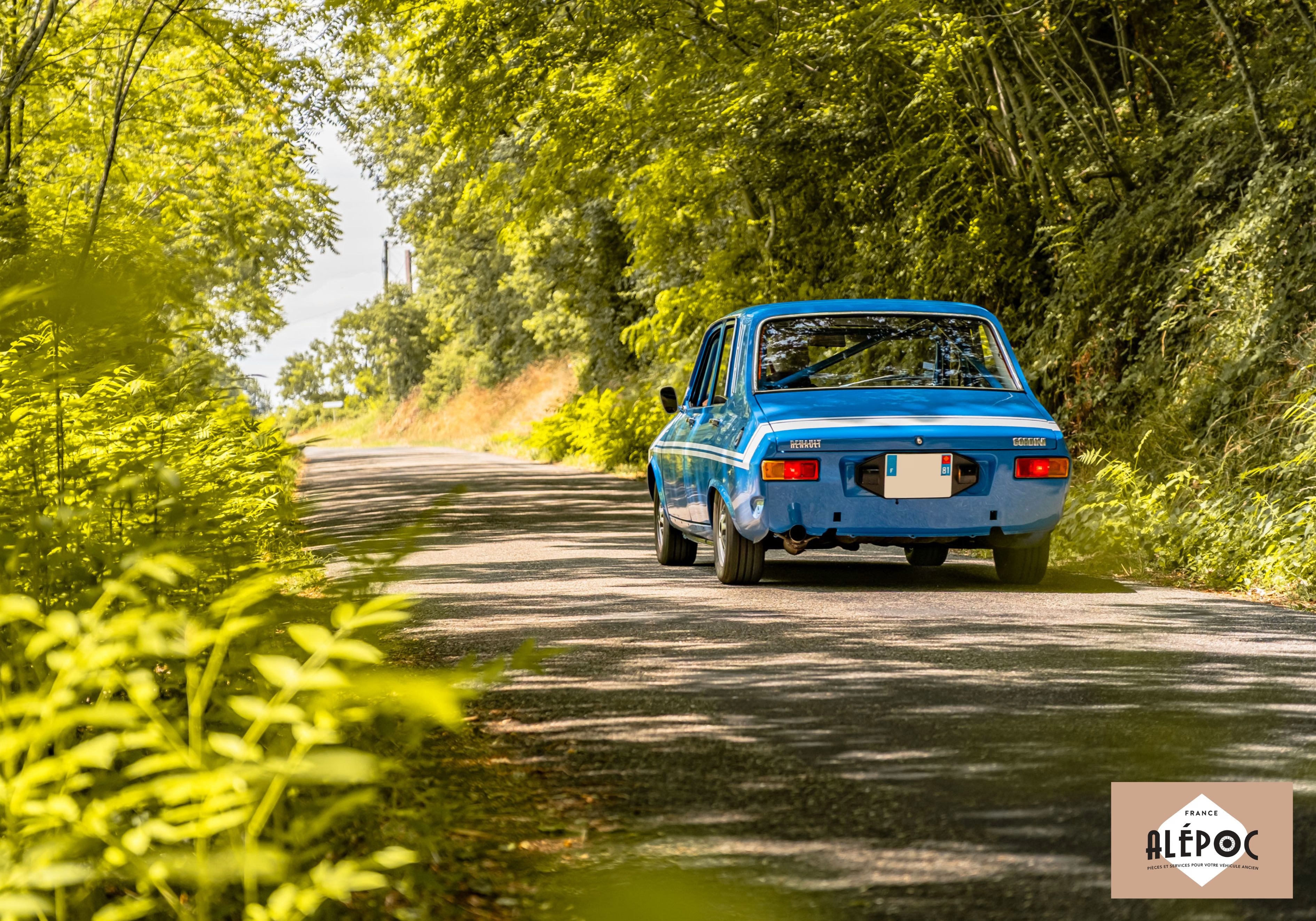
We leave Blaye for Monestiés, nestled in its small valley. The village lines its stone and pink-brick houses along narrow lanes. The Saint-Pierre church and the Saint-Jacques chapel house treasures of medieval sculpture.
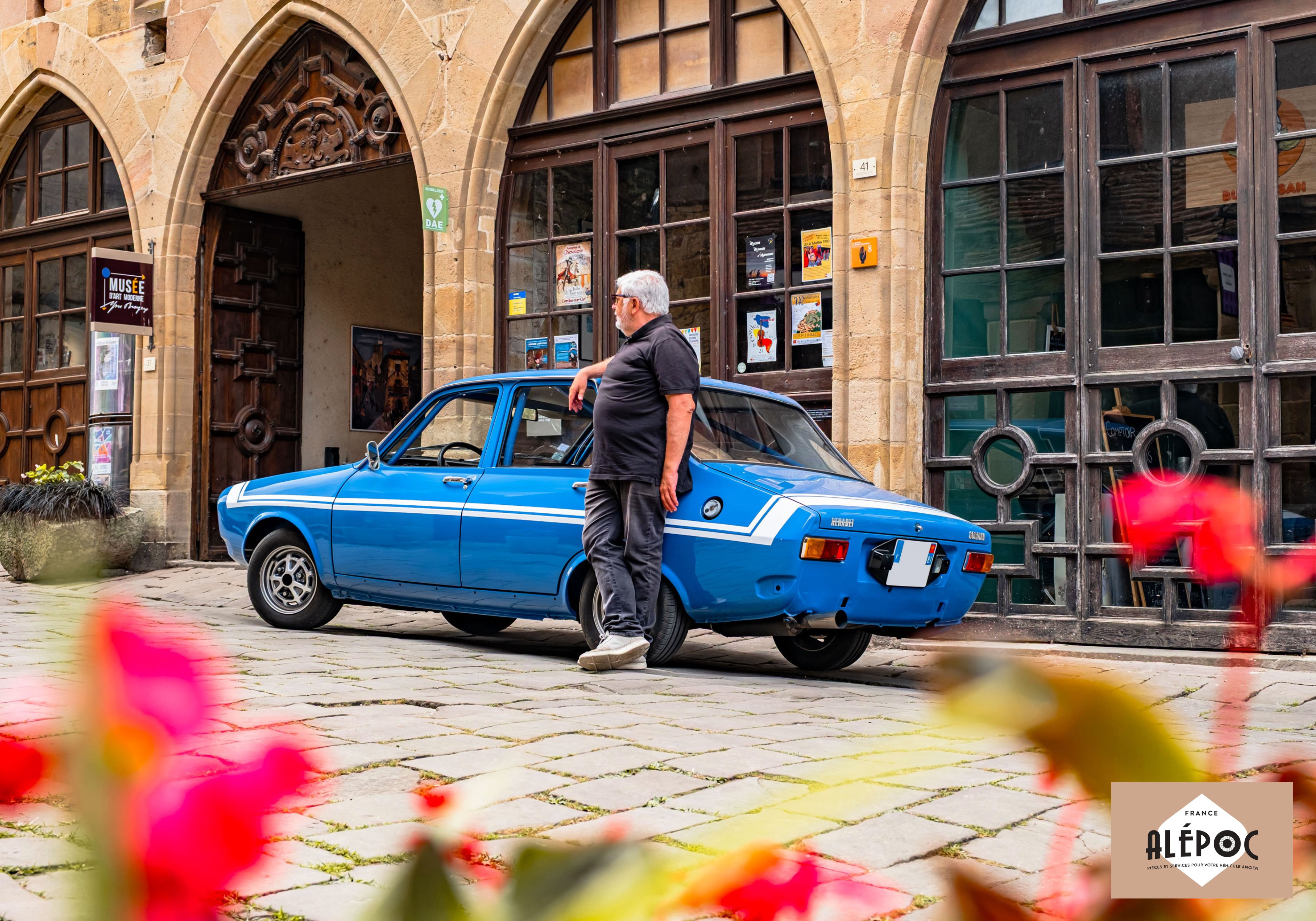
The Renault 12 weaves between the walls and catches visitors' eyes. A retired couple approaches, photographs the car, and tells us they once had a Renault 12 estate for family holidays in Brittany.
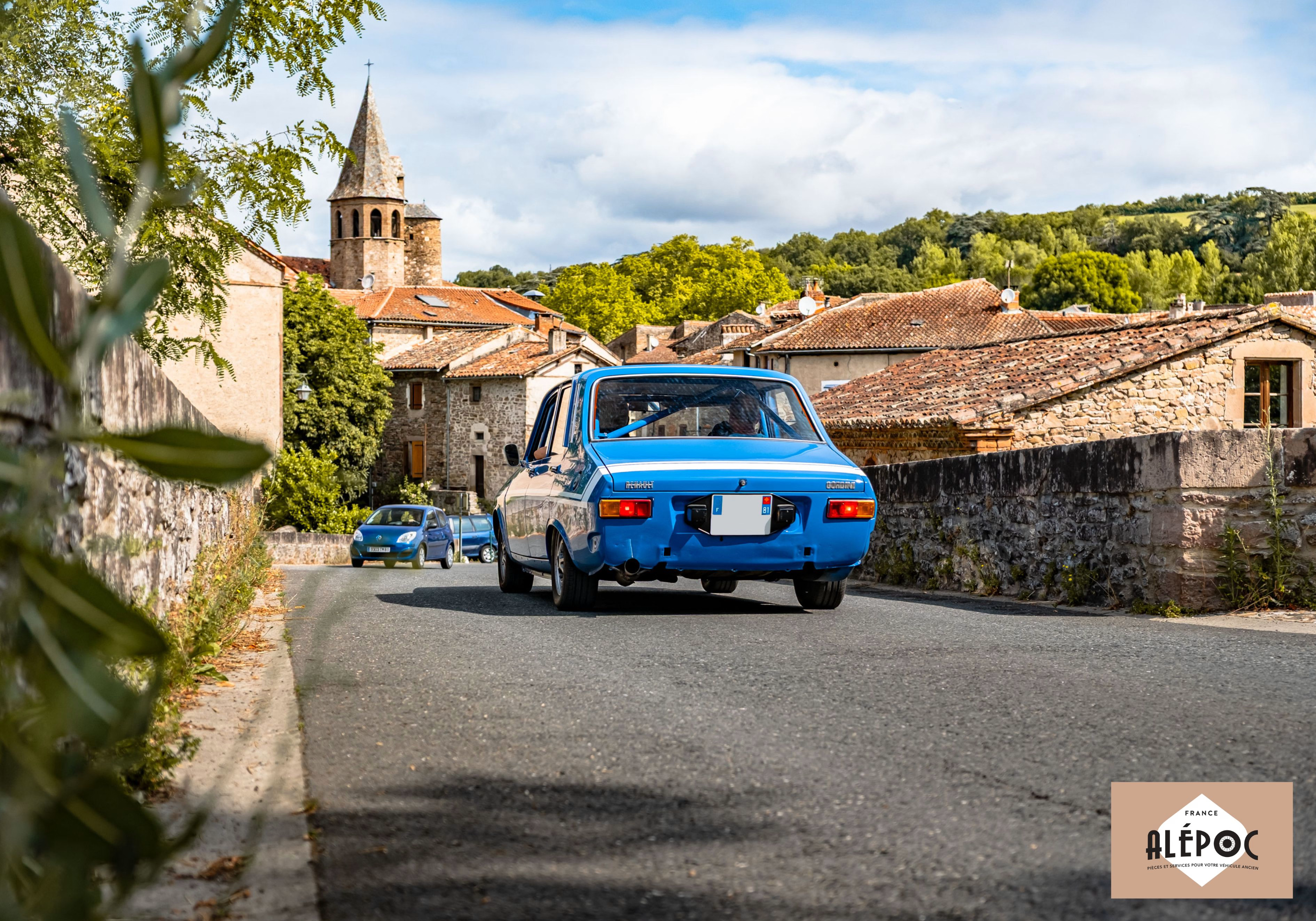
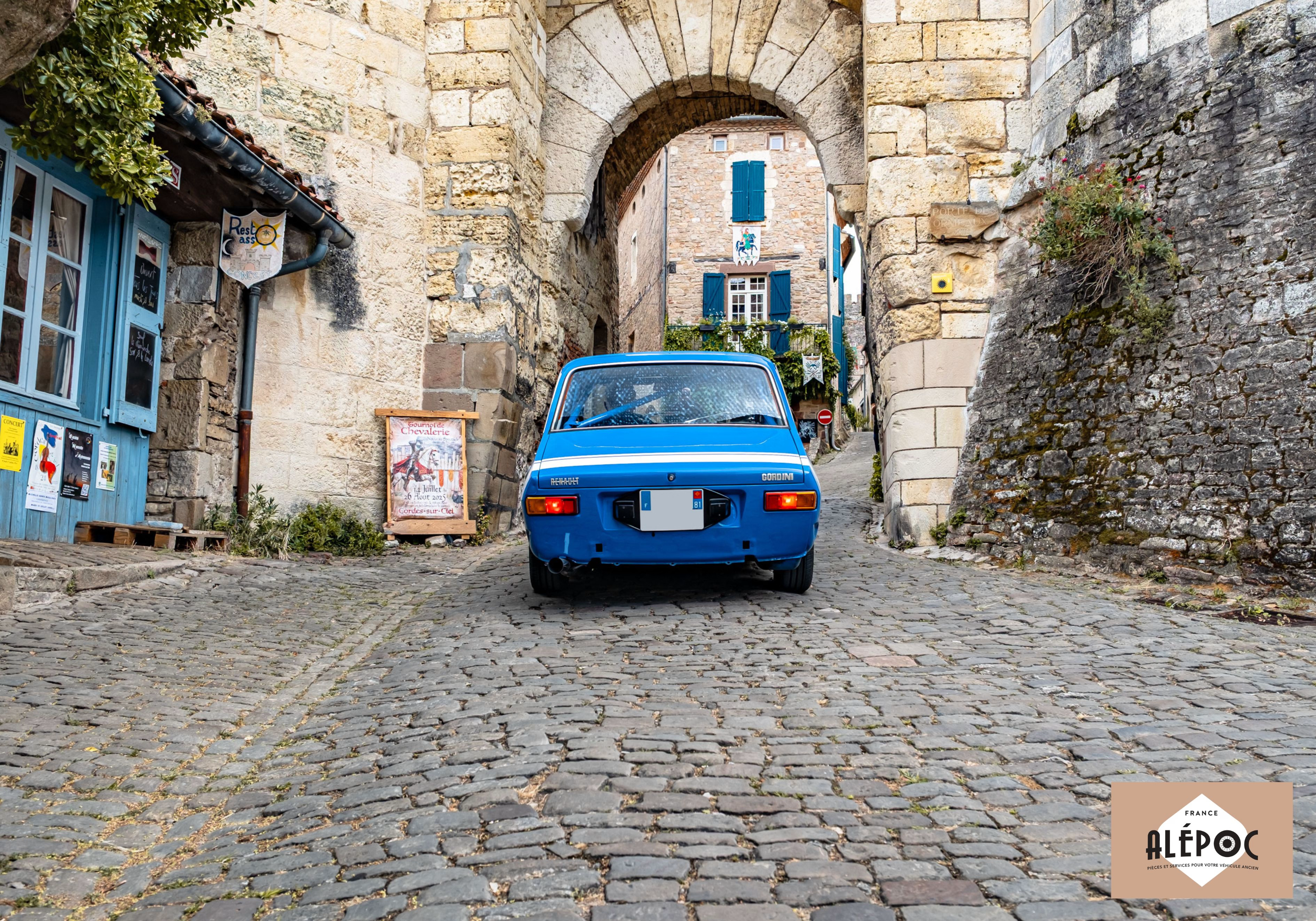
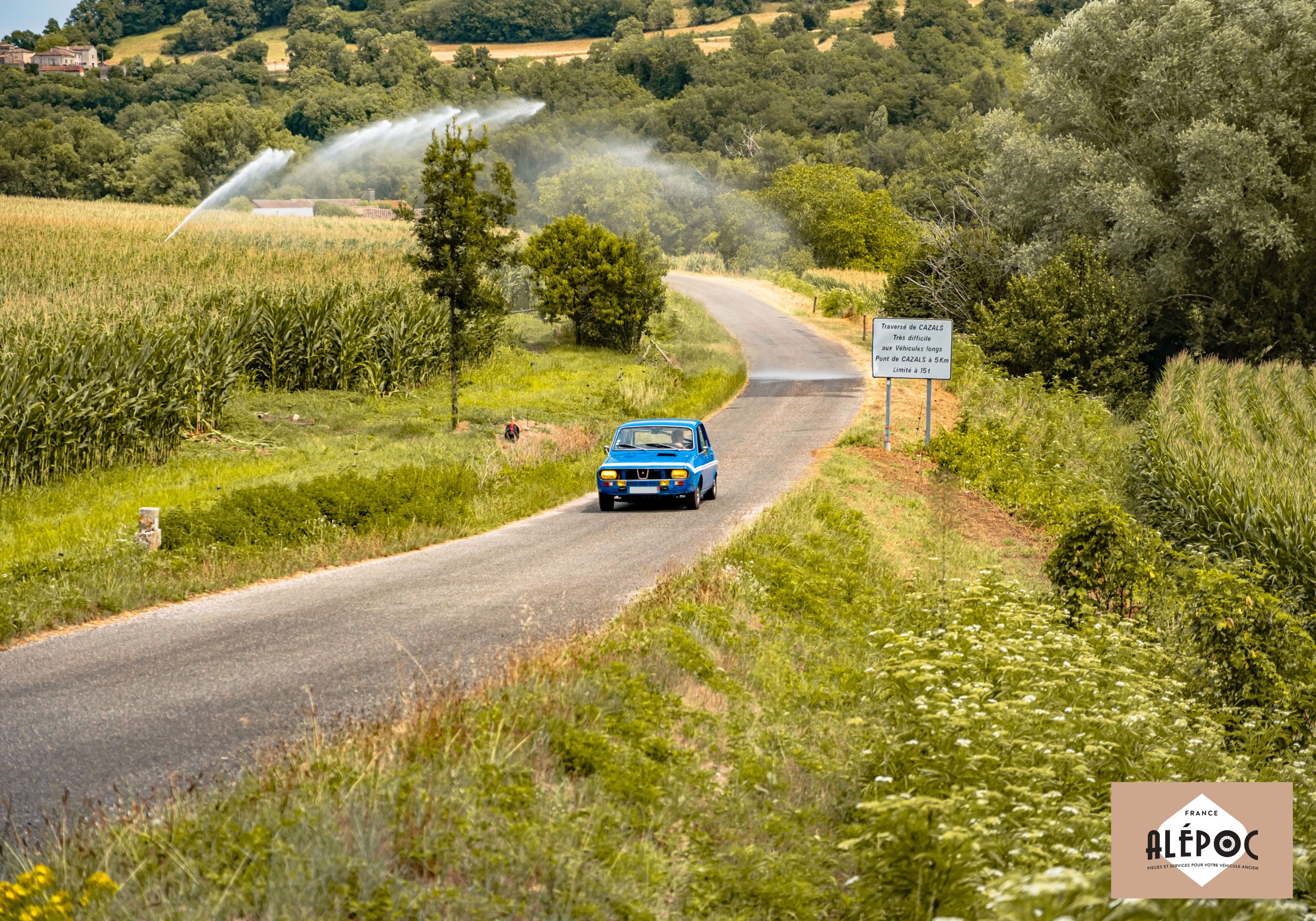
Then comes Cordes-sur-Ciel. Founded in the 13th century, the bastide town rises on its rocky spur, and you have to tackle the cobbled ramp to reach the top. I ease into it carefully, as the Gordini and its firmed-up suspension don't take kindly to unevenly laid stones. What a climb! The engine revs rise, the sound bounces off the Gothic façades, and tourists step aside, smiling. No supercar could ever earn such warm-hearted goodwill.
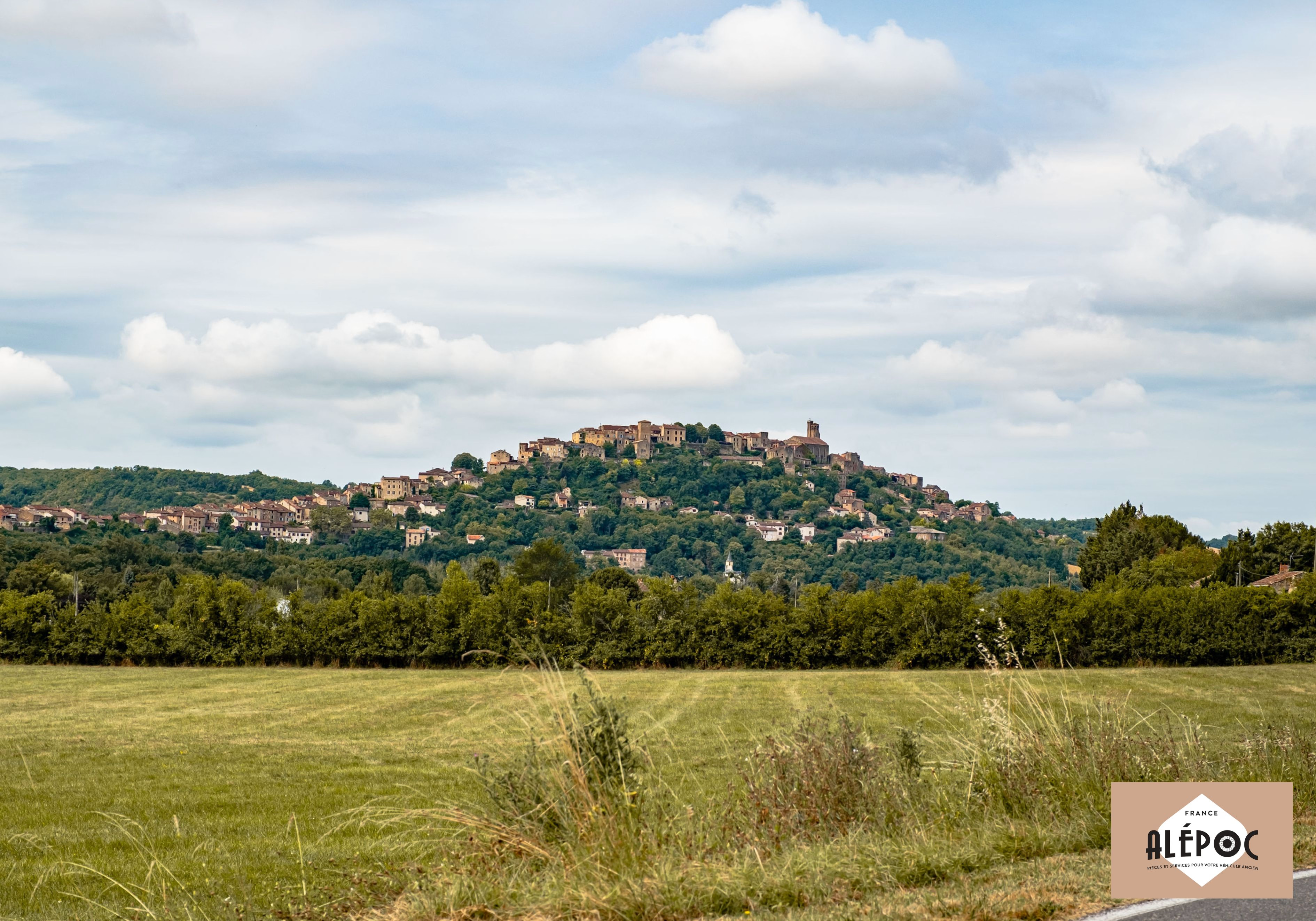
From the top of the citadel, the panoramic view over the Tarn countryside reminds us why this département remains one of the finest playgrounds for classic car enthusiasts: light traffic, varied roads, villages full of character.
A gourmet stop is in order before we continue our road trip.
Vaour and Garage Guibal: when the Gordini comes home
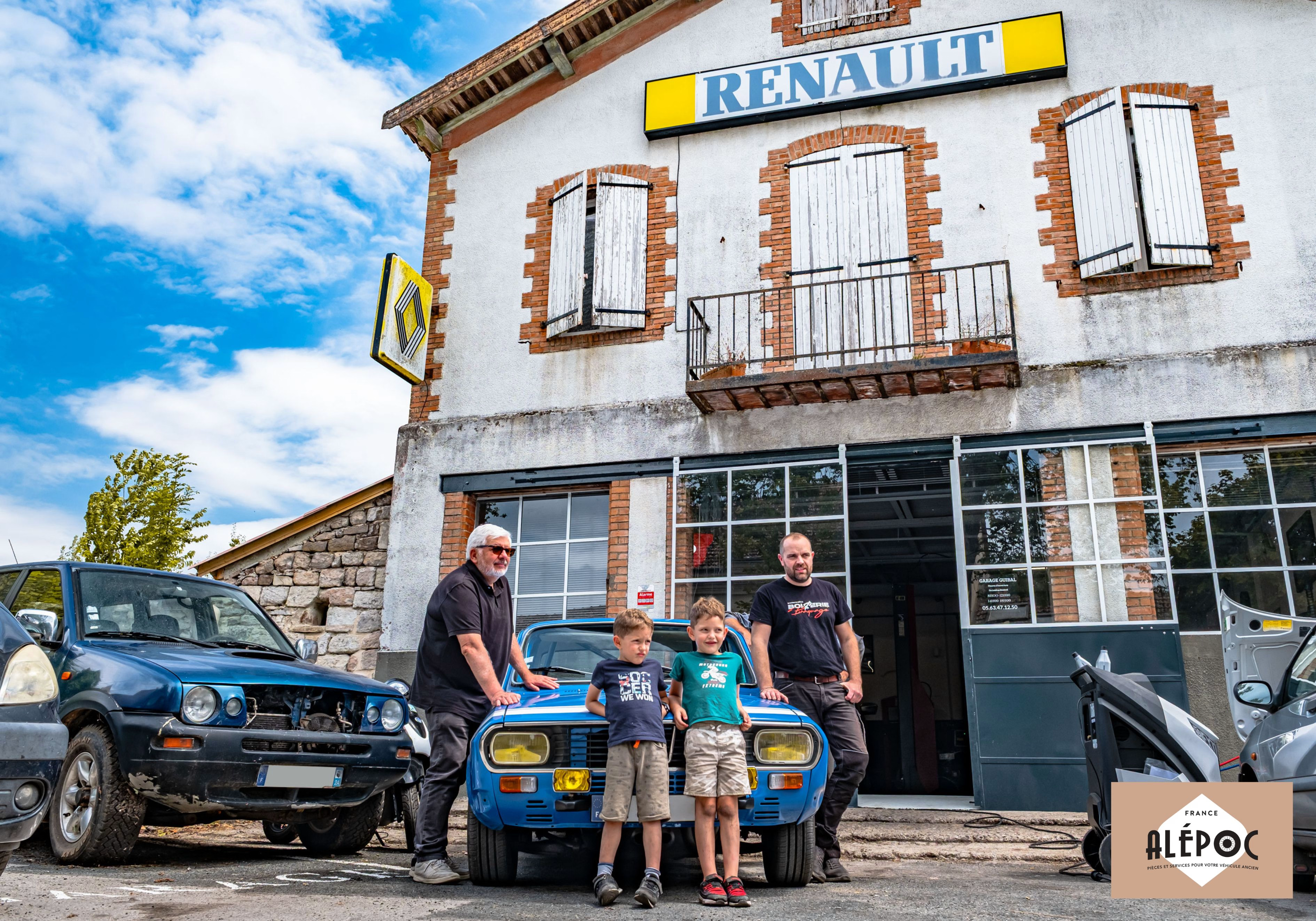
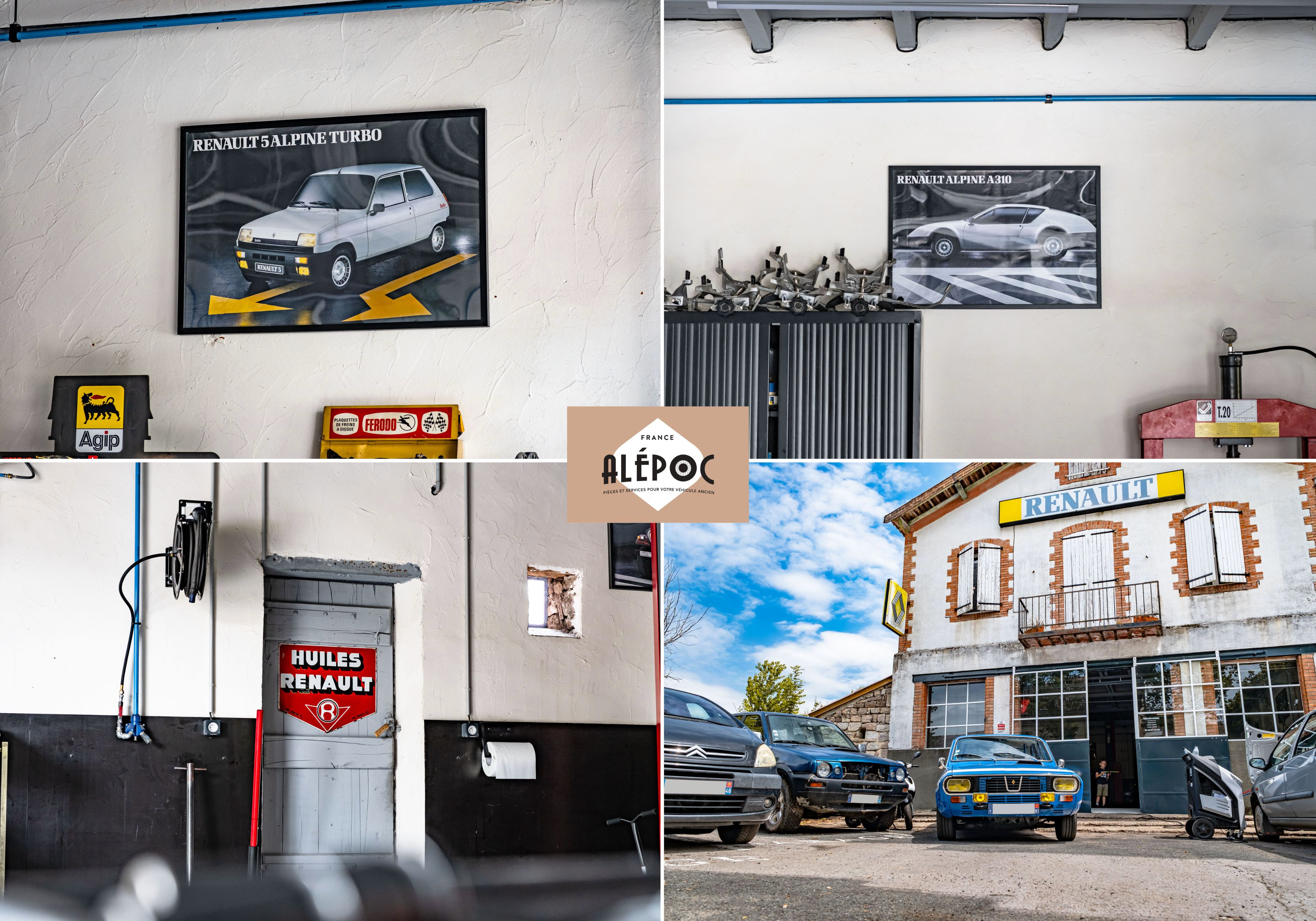
If this test drive had a sentimental chapter, this would be it. In Vaour, we push open the door of the Garage Guibal. Above the entrance, an old Renault sign has survived the passage of time. The father of the current team was a dealer for the brand. He sold and repaired Renaults for decades in this village, where the local mechanic was as well known as the local baker.
The owners greet us with genuine warmth. They look at the Gordini the way you'd look at a cousin you haven't seen in years. One of them leans over the engine, instantly recognises the smell of the car, and recalls memories of an R12 that once passed through the workshop back in the day.
It's encounters like this that give true meaning to the preservation of popular cars. Preserving classic cars also means preserving know-how, memories, and traces of an era when the local garage was often so much more than just a place to get your car fixed.
Puycelsi, Penne, Larroque: three stops at the heart of the Tarn
We then head towards the fortress of Penne. Its ruins loom over the gorges of the Aveyron, standing sentinel in stone atop a dizzying rocky spur. There's something theatrical about the place. The road leading there winds and turns, bend after bend, and the R12 Gordini finds the perfect playground here. I catch myself working the gearbox at every hairpin, hunting for the right gear before braking, savouring the heel-and-toe technique the pedals allow so effortlessly.
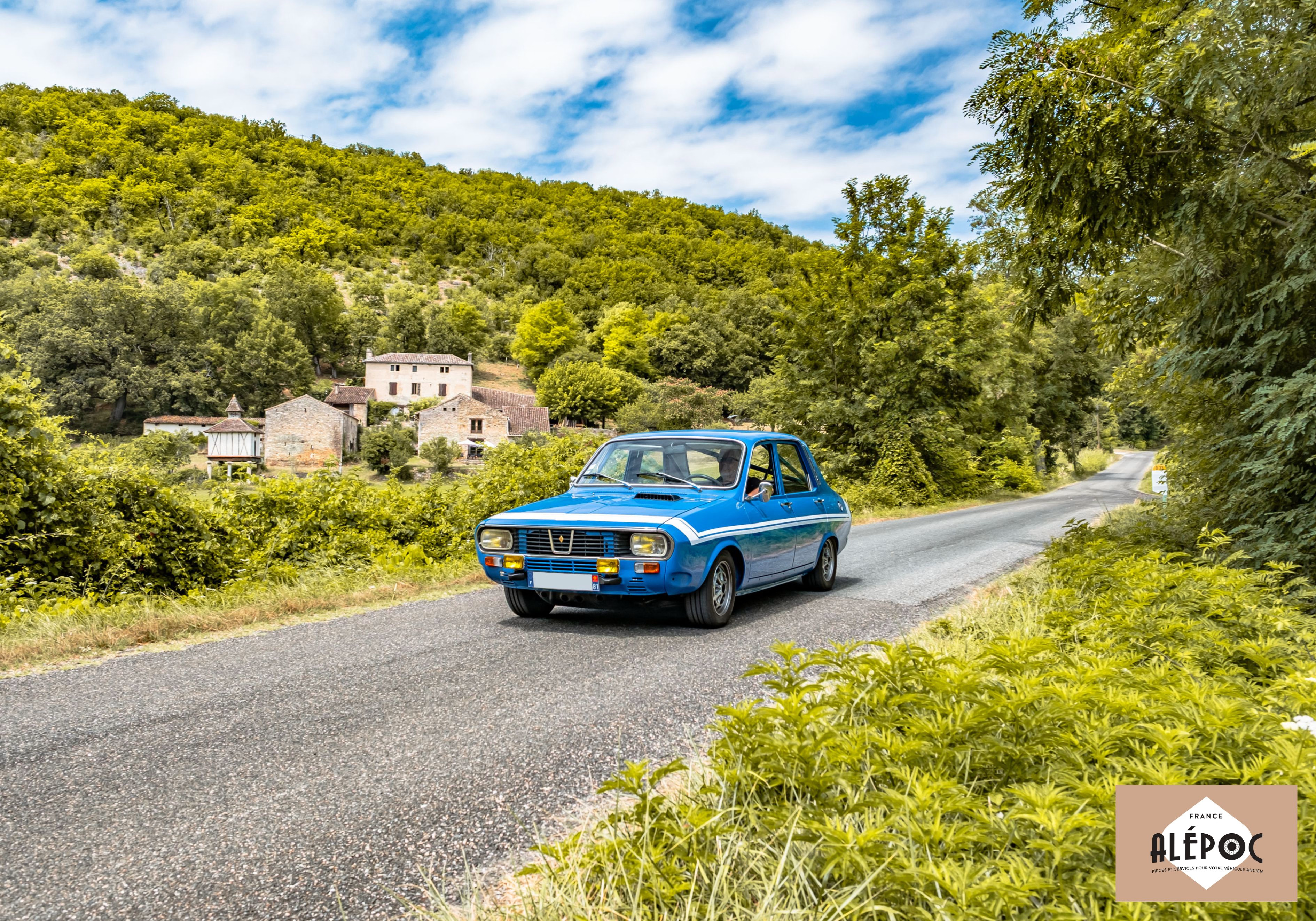
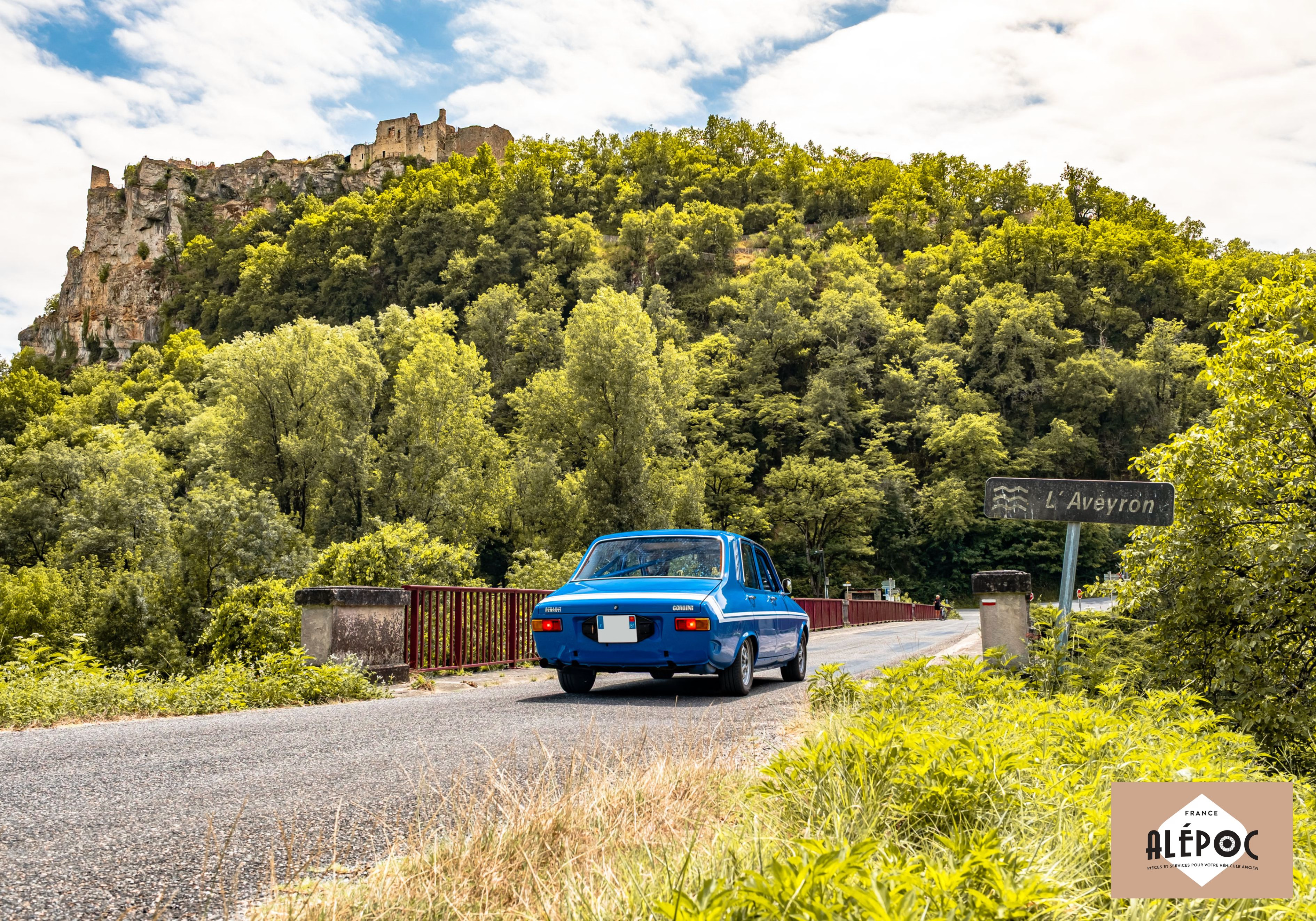
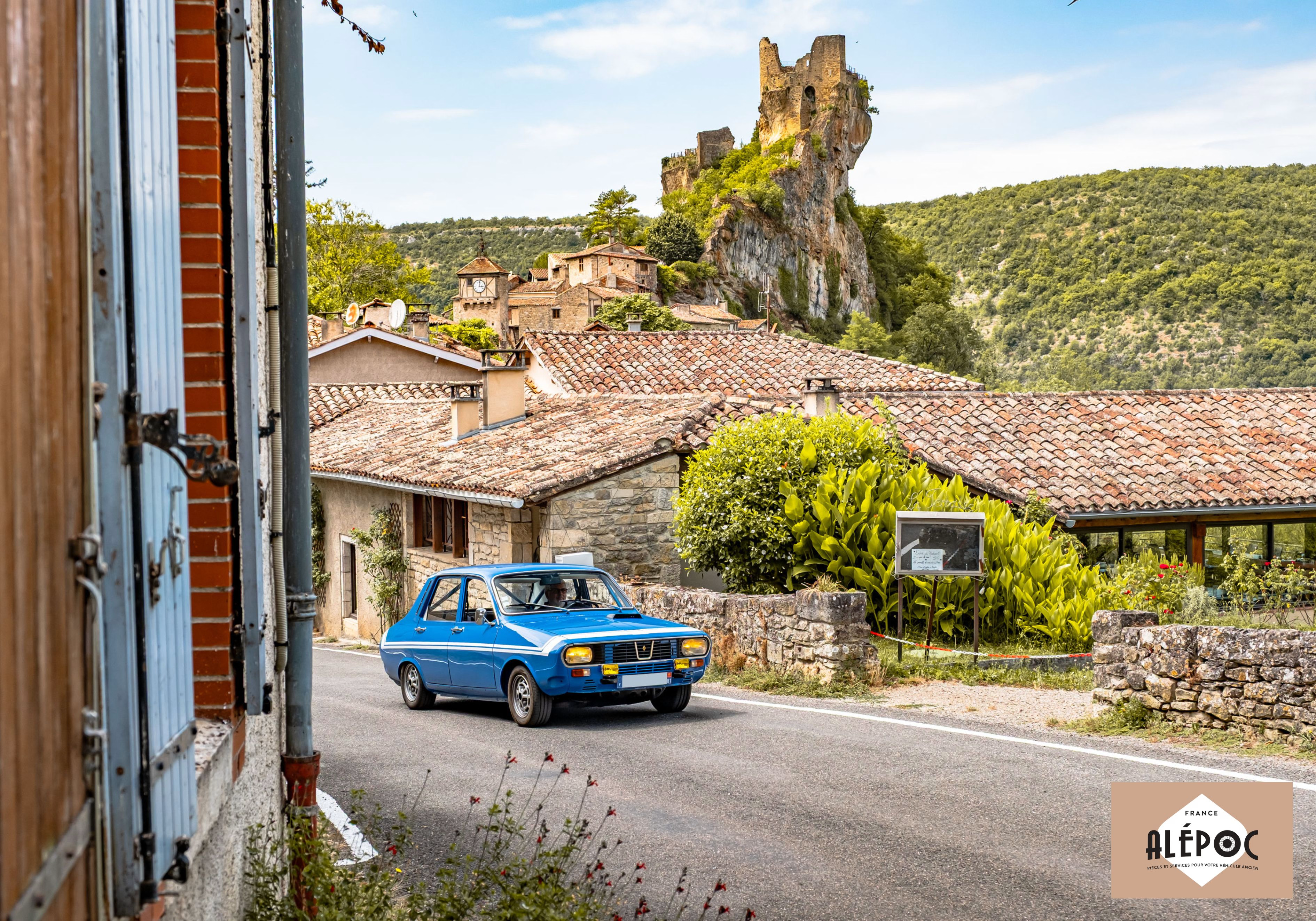
Larroque welcomes us more quietly. It's a more understated stop, a village that makes no effort to please hurried visitors. Here, you get to appreciate the authenticity of the Tarn, far from the crowds, where the R12 Gordini becomes a companion for a leisurely stroll rather than an attraction.
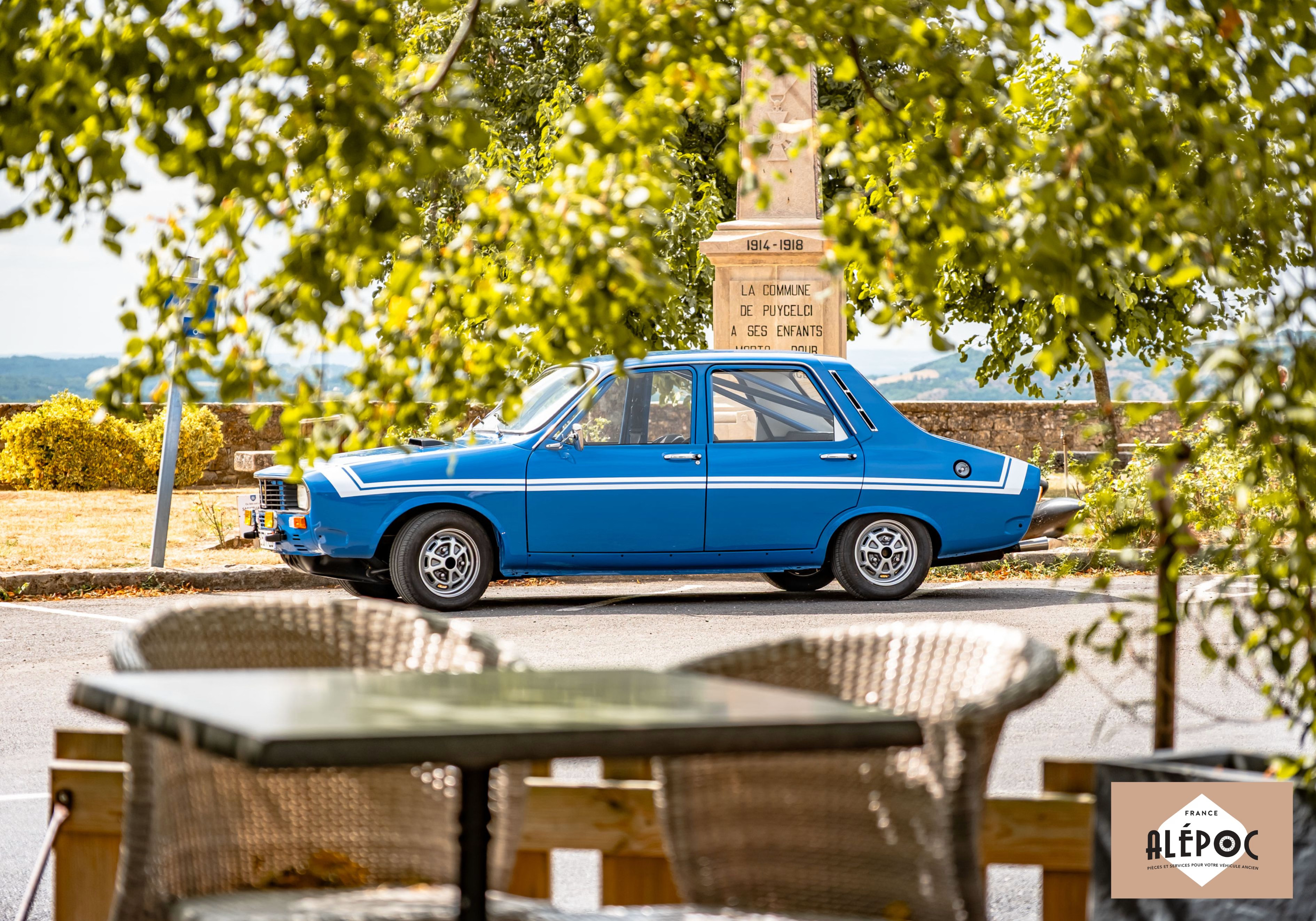
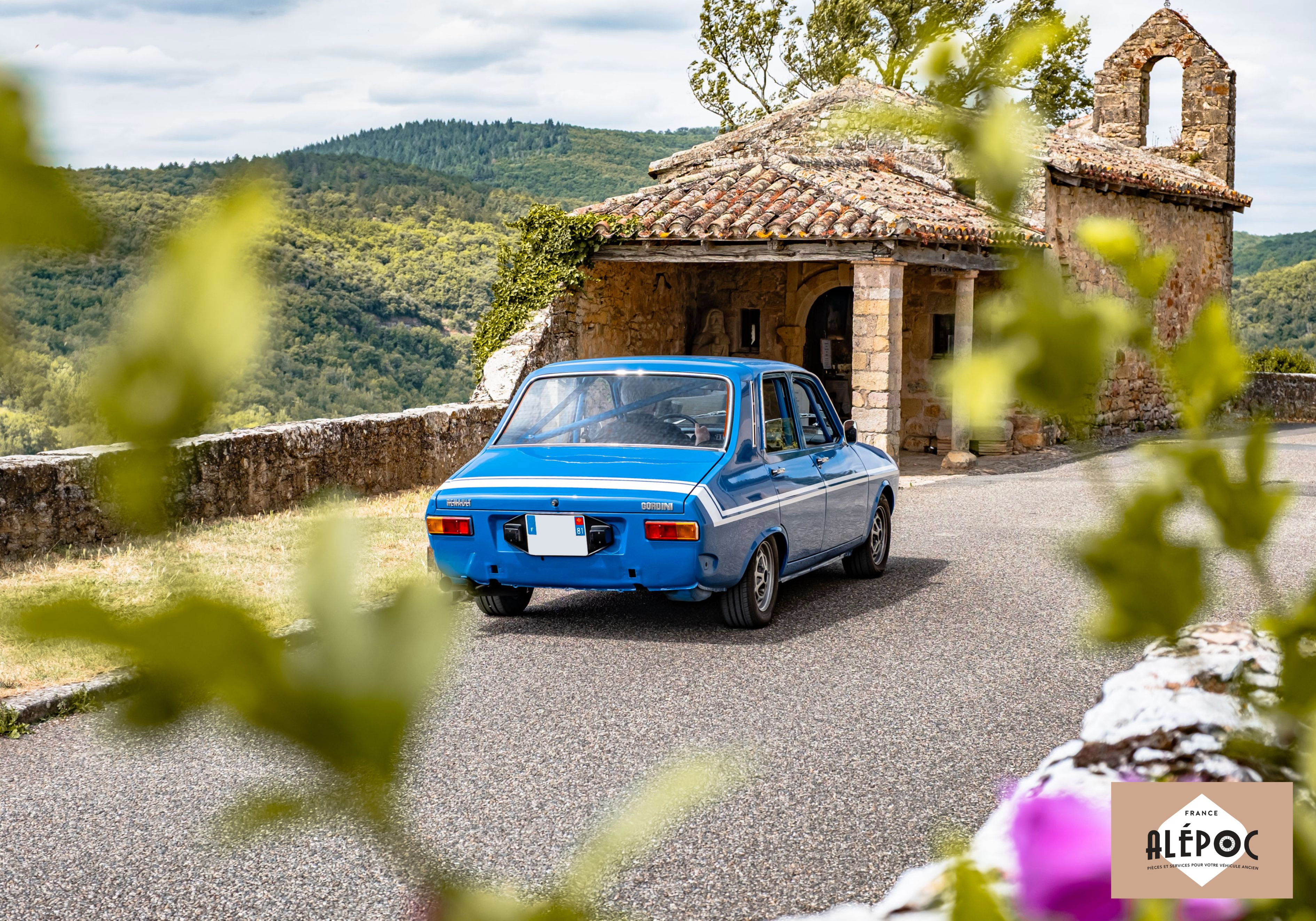
Our final stop takes us to Puycelsi, an eagle's nest perched above the Grésigne forest. Its ramparts, its narrow streets, and its views over the valley make for the perfect finale. It's in moments like these that you understand the R12 Gordini isn't just an old car: it's a slice of popular French culture.
Should you buy a Renault 12 Gordini today?
Let's be clear: yes, if you love collector cars that are genuinely a joy to drive. The R12 Gordini is a car whose popularity keeps growing. It's rare, charismatic, mechanically affordable to run, and benefits from an enormous amount of goodwill. Its market value sits below that of the legendary Renault 8 Gordini.
Its strengths
The Cléon-Alu engine has a reputation for being robust and easy to understand. The disc brakes, five-speed gearbox, and front-wheel drive offer healthy, pleasant handling. The Gordini name also ensures it holds its value well among fans of sporty popular French cars. Not to mention the sheer driving pleasure, which remains its best selling point.
Its weaknesses
Corrosion remains the number one enemy: sills, floors, wheel arches, lower door panels. You'll also need to keep an eye on the carburettors, which require careful tuning and good synchronisation, as well as the condition of the ignition. Mechanically, take a close look at the clutch, gearbox synchros, cooling system, and engine sealing.
This is precisely where ALEPOC plays a valuable role. A well-maintained R12 Gordini needs quality parts: ignition parts, carburation, gaskets, brake components, belts, cooling system components. For anyone looking to drive their car regularly, this is the best way to enjoy it stress-free.
The verdict: a memorable road trip
We travelled through places steeped in history, met passionate enthusiasts, and discovered a region whose riches go far beyond its best-known sites.
The Renault 12 Gordini stayed with us every step of the way, never once losing its charm. It's nervy, vocal, precise, and surprisingly modern for its age. It sparks smiles and conversations wherever it goes. It also tells the story of an era when the popular French car was allowed to be joyful, and just a little bit cheeky.
Mile after mile, heads turned towards it. A few smiles, some thumbs up, and spontaneous chats are a reminder that this car carries an immense amount of goodwill. It evokes competition, memories of youth, and a time when French sports cars still knew how to stay close to everyday life.
| Engine |
| Type |
In-line 4-cylinder |
| Displacement |
1,565 cc |
| Timing |
8 valves |
| Fuel system |
2 double-barrel Weber 45 DCOE carburettors |
| Maximum power |
113 hp at 6,250 rpm |
| Maximum torque |
140 Nm at 4,500 rpm |
| Transmission |
| Gearbox |
5-speed manual |
| Drive |
Front-wheel drive |
| Engine position |
Longitudinal, front overhang |
| Chassis and running gear |
| Front suspension |
Independent wheels |
| Front brakes |
228 mm ventilated discs |
| Rear brakes |
228 mm solid discs |
| Wheelbase |
2,441 mm |
| Front track |
1,340 mm |
| Rear track |
1,335 mm |
| Dimensions and weight |
| Length |
4,300 mm |
| Width |
1,636 mm |
| Height |
1,395 mm |
| Kerb weight |
About 940 kg |
| Boot volume |
420 litres |
| Performance |
| Top speed |
185 km/h |
| 0 to 100 km/h |
11.4 seconds |
| Standing 400 m |
17.4 seconds |
| Standing 1,000 m |
32.5 seconds |
| Power-to-weight ratio |
8.3 kg/hp |
| Fuel consumption |
| Combined consumption |
About 13 L/100 km |
| Spirited consumption |
About 21 L/100 km |
Discover our other test drives:
 English
 Français